.png)

_edited.png)
The Stress-Free Home Extension Checklist: 7 Steps to Success in London & Surrey
- Mar 1
- 5 min read
Building a home extension is essentially choosing to live inside a controlled explosion for six months. It is a chaotic, dusty, and occasionally loud process that promises a pot of architectural gold at the end of the rainbow. Whether you are looking to add a sun-drenched kitchen in Croydon or a sleek loft conversion in Bexleyheath, the journey requires more than just a sledgehammer and a dream.
This article delves into the essential steps required to navigate the intricate system of UK planning and construction. At Shorplans Developments, we have seen it all: from the "I’ll just draw it on a napkin" approach to the "my cousin is a builder" catastrophe. To save your sanity and your savings, we have compiled the ultimate home extension checklist.
Step 1: Define Your Goals (and Confront Your Bank Account)
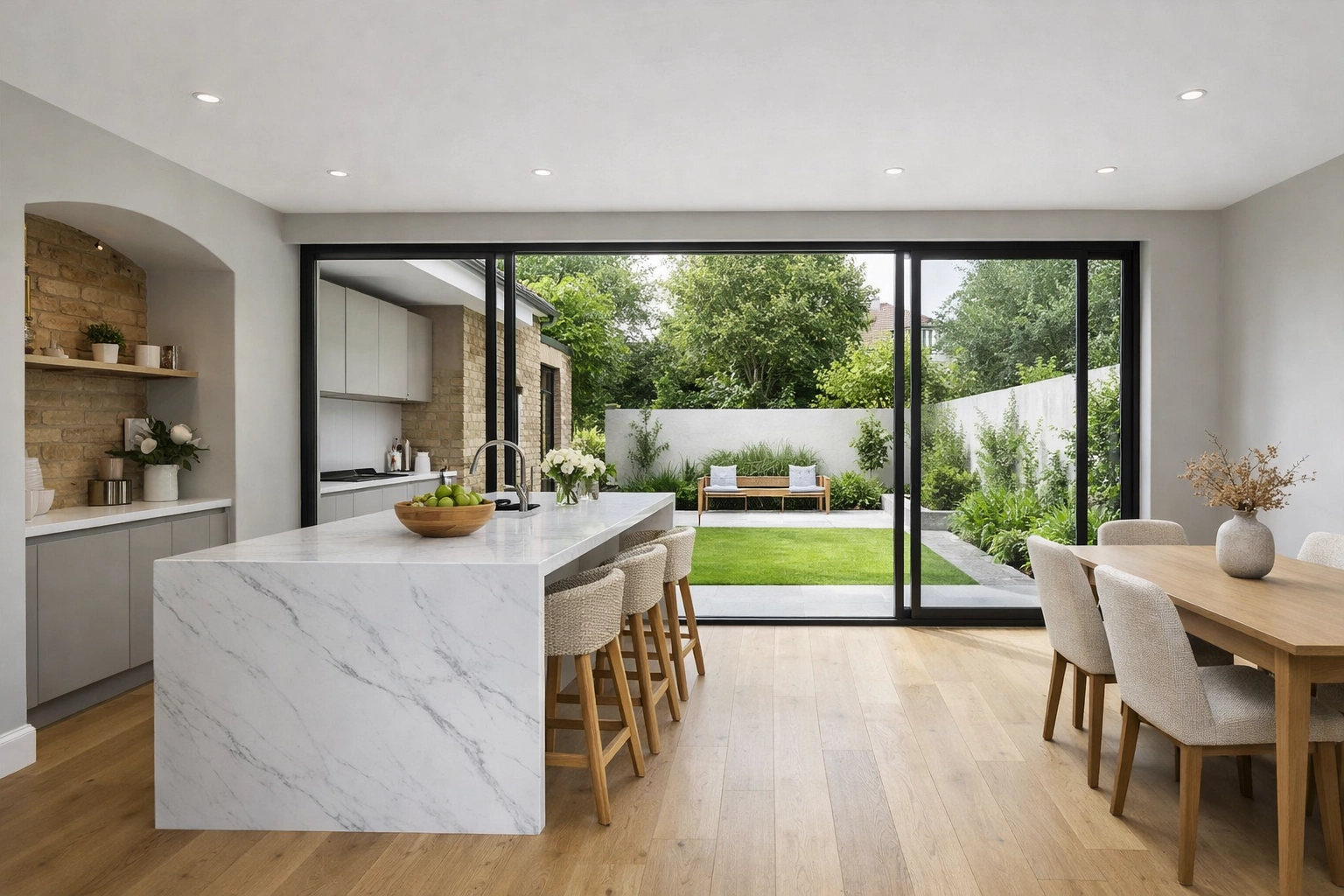
Before you pick out the Farrow & Ball paint, you need to know exactly why you are doing this. Are you desperate for an extra bedroom, or is the kitchen currently so small that two people cannot pass each other without a formal apology? Defining your goals early prevents "scope creep," that expensive phenomenon where a small porch suddenly becomes a two-storey wrap-around.
When it comes to the budget, London and Surrey are unique beasts. In Surrey, expect standard extensions to sit between £2,500 and £3,500 per square metre. If you are eyeing the attic, a dormer loft conversion can range from £60,000 to £100,000 depending on the level of luxury you demand. Always add a 10-15% contingency fund because, in the world of renovation, surprises are rarely the "happy birthday" kind.
Step 2: The Measured Building Survey
You cannot build a masterpiece on a foundation of guesswork. A professional measured building survey is the cornerstone of any successful project. This involves a surveyor visiting your property to take laser-accurate measurements of every nook, cranny, and questionable structural choice made by the previous owners.
This survey provides the digital blueprint that your architects and structural engineers will use. In areas like Croydon, where Victorian terraces often have "characterful" (read: wonky) walls, having an accurate starting point is non-negotiable. It identifies where the drains are hiding and whether that "load-bearing" wall is actually doing any work.
Step 3: Navigating the Planning Jungle
The question of Planning Permission versus Permitted Development (PD) can confuse even the most seasoned property owners. Many smaller extensions fall under PD rights, which is essentially the government’s way of saying "go ahead, just don't make it weird." However, restrictions are tight regarding height, depth, and materials.
Even if you believe your project is PD-compliant, we always recommend applying for a Lawful Development Certificate. This piece of paper is your legal shield if a nosey neighbour complains or when you eventually decide to sell the house. If your home is in a conservation area: common in parts of Surrey like Weybridge or Leatherhead: the rules change entirely. You can use our planning predictor to get some early clarity on your project's feasibility.
Step 4: Assemble Your A-Team
This is where many homeowners make their first big mistake: hiring an architect and a structural engineer who have never spoken to each other. At Shorplans Developments, we believe in the power of in-house coordination. By keeping our architectural and structural services under one roof, we eliminate the "he-said-she-said" drama that usually delays projects.
If you are looking for architects croydon or an architect bexleyheath, you want someone who understands the local council’s specific quirks. Every borough has its own personality when it comes to planning officers. Having a team that coordinates the design with the structural calculations from day one ensures that your beautiful glass-walled extension doesn't actually fall down or cost four times the original estimate.
Step 5: Detailed Planning Drawings
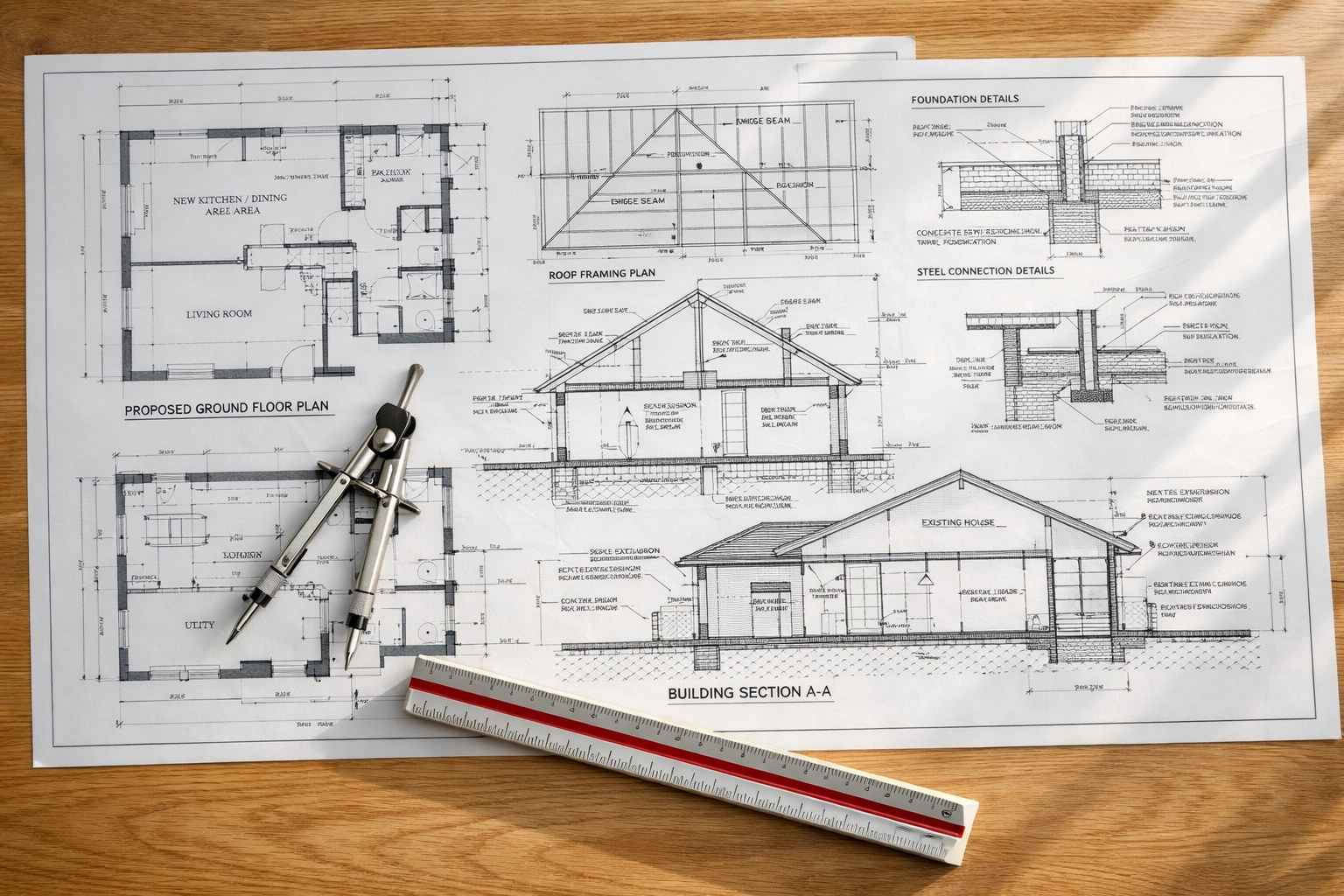
Once the concept is agreed upon, it is time for the detailed planning drawings. These are not just pretty pictures; they are technical documents that demonstrate to the council exactly how your project will look and function. They cover everything from roof pitches to the type of brickwork.
Submitting a planning application is a test of patience, usually taking around eight weeks for a decision. During this time, the council will consult with neighbours. It is often a good idea to share your plans with the people next door over a cup of tea before the official orange notice appears on the lamp post. It builds goodwill and reduces the chances of them lodging a formal objection because your new roof might "infringe on their right to a specific sunset."
Step 6: Building Regulations and the "Un-Sexy" Stuff
Planning permission is about how it looks; Building Regulations are about how it works. This stage covers fire safety, insulation, ventilation, and structural integrity. You will need a building control officer (either from the council or an independent firm) to sign off on various stages of the build.
This is also the time to sort out the logistics that keep homeowners awake at night:
Party Wall Agreements: If you are building on or near a boundary, you need a formal agreement with your neighbour.
Build-Over Agreements: If your extension is sitting on top of a public sewer, Thames Water will want a word (and a fee).
Utility Checks: Ensuring you aren't about to dig through the main gas line for the entire street.
Step 7: Construction and Survival
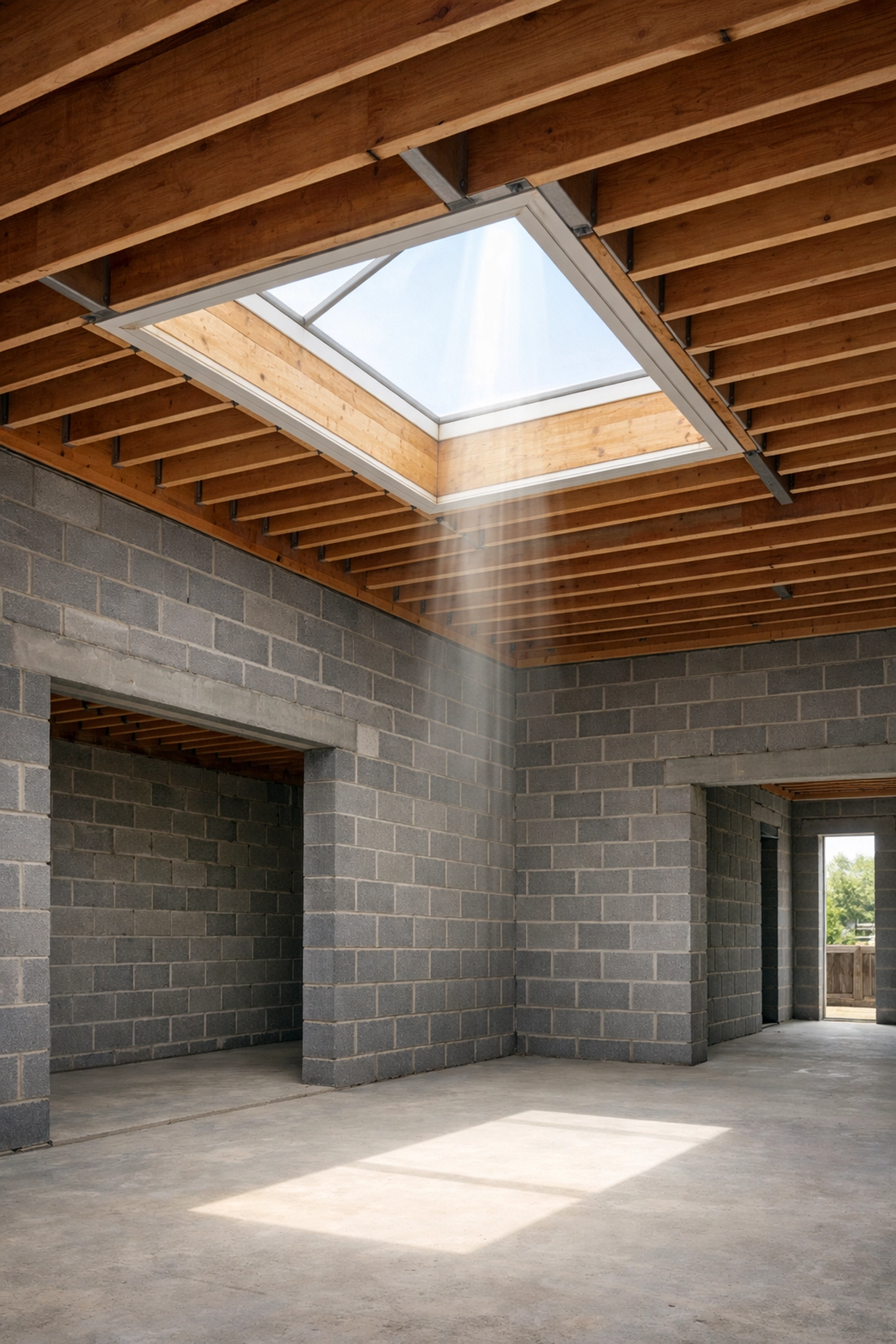
With the paperwork in place, the real work begins. Hiring a reputable contractor is vital. We recommend looking at local portfolio projects to see the quality of work they have delivered in your area. Communication is the key to surviving this stage. You should have a clear timeline and a point of contact who doesn't disappear the moment a problem arises.
Living through a build requires a specific mindset. There will be dust in places you didn't know you had. You might not have a kitchen for three weeks. However, by following this checklist and ensuring your professional team is coordinated, the "controlled explosion" remains controlled. Whether it's a modern house design or a simple side extension, the preparation you do now dictates the quality of your life for years to come.
Ready to Start?
The journey from a cramped living room to a sprawling open-plan masterpiece is a marathon, not a sprint. While the regulations and requirements can seem daunting, having a singular point of contact for both architectural and structural design significantly reduces the friction.
Whether you are in the heart of London or the leafy suburbs of Surrey, your home is your biggest asset. Treating it with the respect it deserves: by following the rules and hiring the right experts: ensures that your extension adds value to your property and your lifestyle. If you're curious about the numbers, our extension budget calculator is a great place to start your journey.
The dust will eventually settle, the skips will be taken away, and you will be left with a space that finally fits your life. Just remember to keep the tea and biscuits flowing for the builders; it’s the secret fuel of the British construction industry.

