.png)

_edited.png)
Dormer Loft Conversion Costs: Is Your London Home Hiding a Goldmine?
- Feb 16
- 4 min read
Your loft might be the most valuable square footage you're not using. In a city where every metre counts, that dusty storage space above your ceiling could unlock tens of thousands in property value.
Dormer loft conversions remain the most popular conversion type across the UK. They maximise headroom, create functional living space, and deliver returns that few other home improvements can match.
Let's explore what dormer loft conversion costs actually look like in London for 2026.
The London Price Reality
Dormer loft conversions in London cost between £55,000 and £120,000. Central London postcodes: Westminster, Kensington, Chelsea: command the premium end of that spectrum, with standard projects ranging from £62,000 to £85,000.
The national average sits at £40,000 to £50,000. London's premium reflects labour costs, material logistics, and the complexity of working within tightly packed terraced housing that defines much of the capital's residential stock.
Expect to pay approximately £1,670 to £2,000 per square metre. A modest 20m² conversion starts around £33,400, while a larger 40m² project reaches £80,000 at the higher rate.
Why London Costs More
London's construction ecosystem operates under different economic pressures. Skilled tradespeople command higher day rates. Material delivery involves navigating congestion charges and restricted access windows. Scaffolding permits cost more and take longer to secure.
Then there's the regulatory landscape. London boroughs enforce planning regulations with varying degrees of flexibility. Party wall agreements require additional coordination when your dormer affects neighbouring properties: a common scenario in terraced housing.
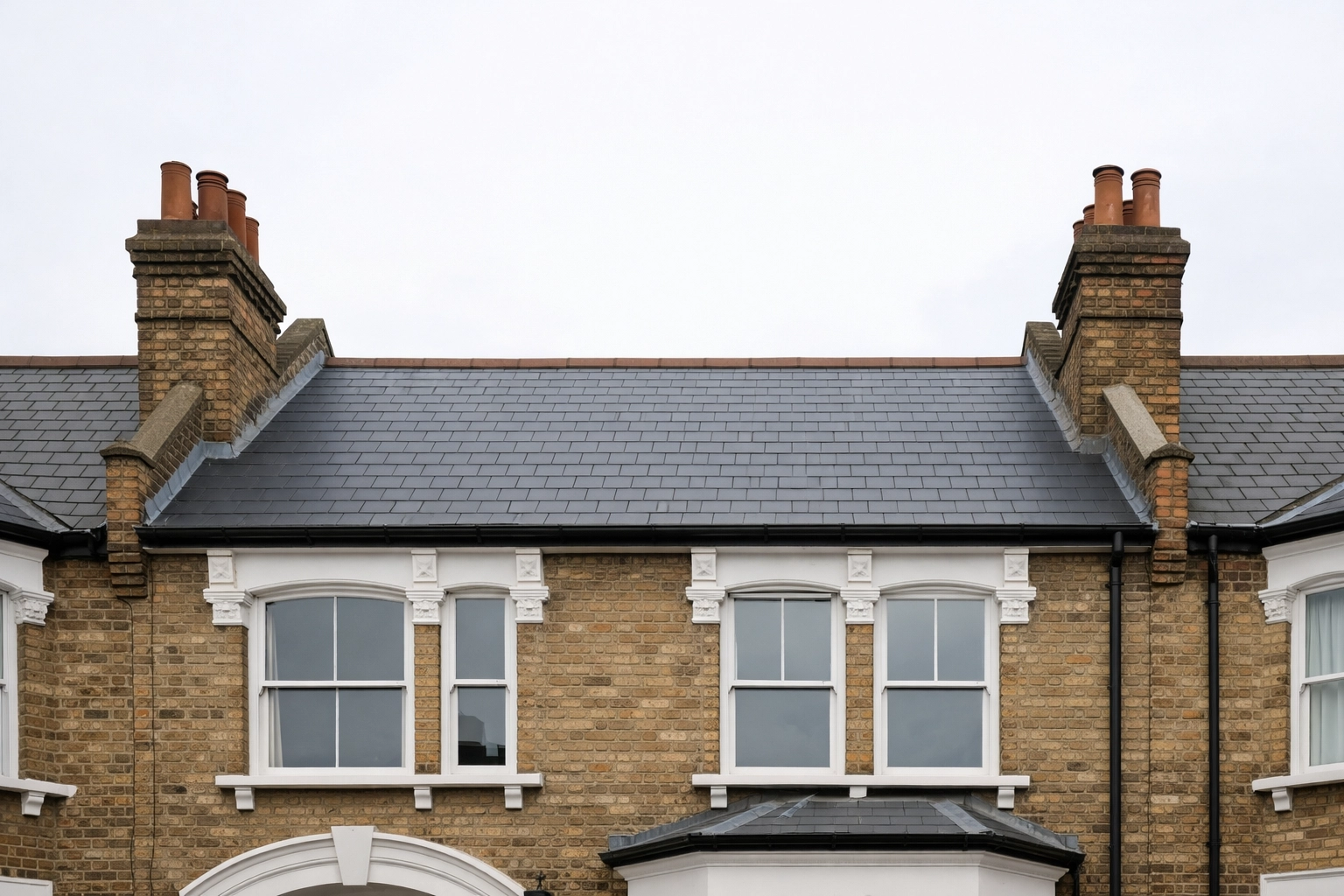
The structural complexity matters too. Victorian and Edwardian homes dominate London's housing stock. These properties bring charm, but their aging timber frames often require reinforcement before supporting a dormer extension. Modern Building Regulations demand thermal performance and fire safety standards that didn't exist when these homes were built.
The Goldmine Factor
Property values in London justify the investment. Adding 20-30 square metres of functional living space: a bedroom, home office, or en-suite bathroom: increases property valuations significantly in areas where comparable properties command premium prices.
The math works particularly well in high-value areas. A £75,000 dormer conversion on a £900,000 property represents an 8.3% increase in construction cost but can add 10-15% to the property's market value when executed well. That's a potential gain of £90,000 to £135,000.
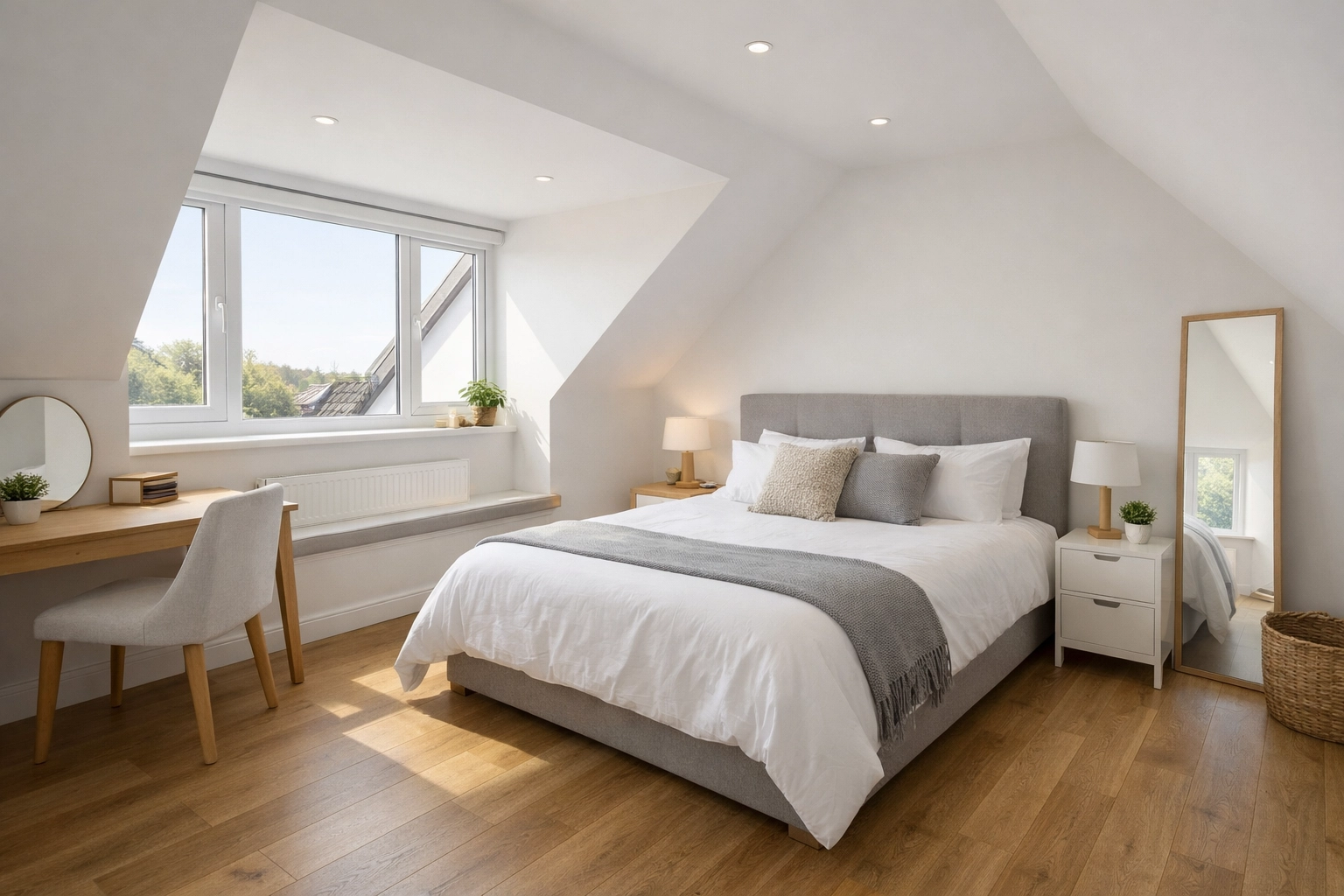
Beyond pure financial return, loft conversions solve practical problems. Growing families gain space without relocating. Home workers secure dedicated office environments. Rental income becomes possible through compliant spare rooms.
Where Your Money Goes
Understanding the cost breakdown helps when planning your project. Design and regulatory compliance form the foundation: building regulation drawings cost £3,100 to £6,300, while structural calculations add £1,800 to £3,600.
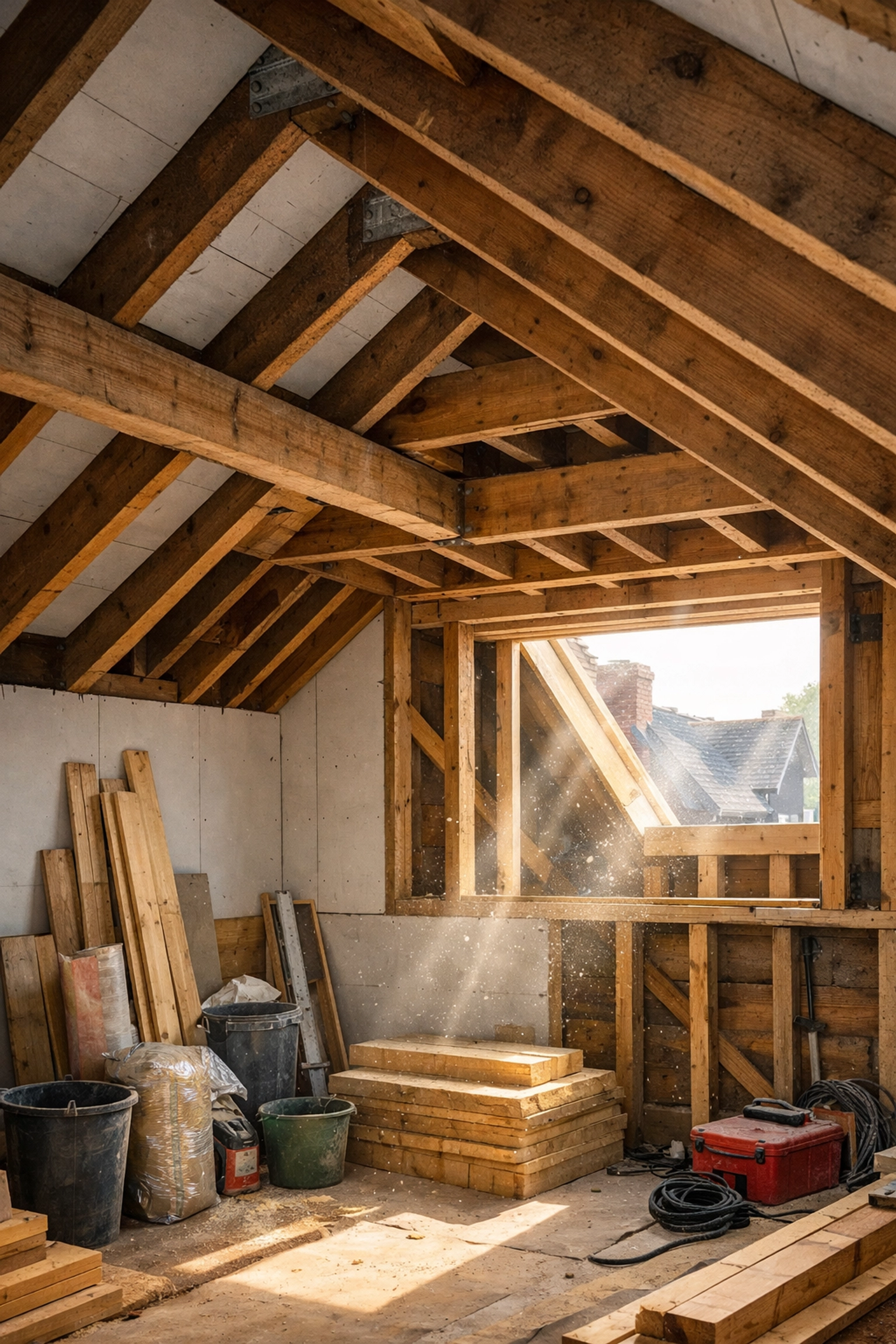
Labour represents the largest single expense at £20,000 to £40,000. Dormer conversions involve carpentry, roofing, plastering, electrical installation, plumbing, and decorating. Each trade requires coordination and access, which extends timelines and increases costs.
Materials vary based on specification. Standard dormers use timber framing, felt roofing, and UPVC windows. Premium projects incorporate steel reinforcement, slate or zinc roofing, and bespoke timber windows. Insulation, plasterboard, flooring, and finishes add layers of cost that accumulate quickly.
Then come the extras: scaffolding hire, waste removal, Party Wall Awards, building control fees, and contingency funds for unexpected structural issues that only reveal themselves once work begins.
Why Structural Engineering Matters
Cutting corners on structural engineering creates expensive problems. Inadequate calculations lead to building control rejections. Undersized beams cause deflection issues. Insufficient load distribution damages existing structures.
A qualified structural engineer assesses your roof's load-bearing capacity and designs appropriate reinforcement. They specify beam sizes, joist arrangements, and connection details that satisfy Building Regulations while maintaining structural integrity.
This expertise prevents costly mistakes. Discovering mid-project that your existing roof structure can't support the dormer means redesigning, ordering new materials, and extending the construction timeline. The £2,500 you saved by skipping proper engineering could cost £15,000 to rectify.
Structural calculations also provide legal protection. When building control inspects your conversion, they're verifying that it matches approved structural drawings. Without proper documentation, you're liable for any failures: and your insurance may refuse coverage for unapproved work.
Coordination Keeps Costs Controlled
Dormer loft conversions involve multiple disciplines working in sequence. Poor coordination creates delays, rework, and cost overruns. Professional architectural coordination ensures each trade understands their role and timing.
When architects and structural engineers collaborate from the start, they identify potential conflicts before construction begins. The architect designs the dormer's form and function while the structural engineer determines how to build it safely. This partnership prevents the expensive discovery that your architectural vision requires structural gymnastics that weren't budgeted.
Coordination extends to building control, party wall surveyors, and contractors. A well-managed project schedules inspections at appropriate stages, resolves party wall matters before work starts, and maintains clear communication channels that keep everyone informed.
The alternative costs money. A contractor waiting for structural clarification charges standing time. Rework resulting from miscommunication wastes materials and labour. Building control failures halt progress until issues resolve: at daily rates that quickly escalate.
Timeline Expectations
Plan for 10-12 weeks from first contractor visit to final inspection. This assumes no major complications and reasonable weather. London's unpredictable climate can extend timelines when roofing work pauses during heavy rain.
The sequence typically follows this pattern: scaffolding installation, roof opening, structural frame construction, dormer installation, roofing completion, internal fit-out, decoration, and final inspections. Each phase depends on the previous one's completion.
Allow additional time before construction starts. Planning applications (if required) take 8 weeks minimum. Party Wall Notices need 14 days' acknowledgment, followed by negotiation time. Building Regulation applications take 5 weeks. Factor these lead times into your planning.
Making the Decision
Dormer loft conversion costs in London reflect the city's construction realities. The investment remains substantial, but so are the returns when executed properly.
The goldmine exists for homeowners who approach conversions strategically. Proper structural engineering prevents costly mistakes. Professional architectural coordination keeps projects on track and within budget. Quality execution delivers space that enhances both lifestyle and property value.
Whether your loft conversion makes financial sense depends on your property's location, condition, and the local market. In London's competitive housing landscape, the equation often works favourably for homeowners willing to invest in professional expertise from the start.
Your unused loft space isn't just storage: it's potential. The question isn't whether to convert, but whether now is the right time and whether you're prepared to do it properly.


