.png)

_edited.png)
The Ultimate Guide to Finding an HMO Architect: Everything You Need to Succeed in London & Surrey
- 2 hours ago
- 5 min read
Converting a property into a House in Multiple Occupation (HMO) is one of the most lucrative strategies for investors in the South East. However, the regulatory landscape in London and Surrey is notoriously complex and unforgiving. Success hinges on more than just aesthetic design; it requires a deep understanding of planning law, licensing, and structural integrity.
Finding the right HMO architect is the single most important decision you will make in your development journey. This guide explores the essential criteria for selecting a specialist partner who can navigate the intricate balance between maximizing rental yield and ensuring absolute compliance.
Why a Specialist HMO Architect is Non-Negotiable
Generalist architects often lack the granular knowledge required to handle the specific constraints of HMO developments. In boroughs like Croydon or Bexleyheath, local authorities have implemented strict Article 4 directions that remove permitted development rights for small HMOs.
A specialist understands the distinction between C3 (dwelling houses), C4 (small HMOs), and Sui Generis (large HMOs). They recognize that a layout that looks good on paper might fail to meet mandatory room size requirements or fire safety standards. To understand the baseline of these regulations, it is helpful to review what an HMO is and the standards required for landlords.
Expert HMO architects prioritize functionality and compliance from the very first sketch. They ensure that communal spaces, kitchen facilities, and ensuite bathrooms are optimized to provide the highest possible return on investment without triggering a planning refusal.
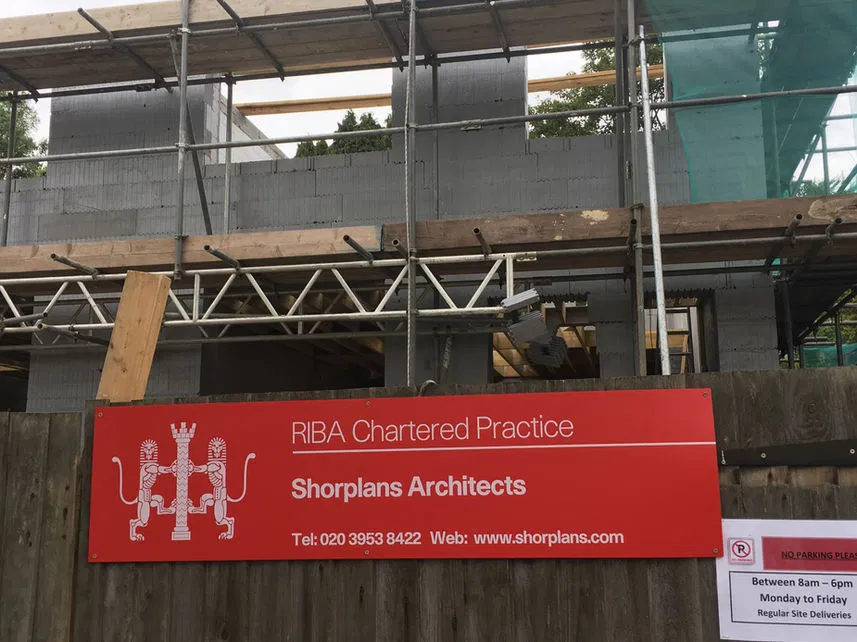
Navigating the London and Surrey Planning Maze
The planning environment in London and Surrey is a patchwork of different rules and expectations. For instance, architects in Croydon must be well-versed in the Croydon Local Plan, which places a heavy emphasis on high-quality design and the preservation of residential character. Similarly, an architect in Bexleyheath must navigate specific density requirements that vary significantly from neighboring boroughs.
Whether it is a converted Victorian terrace in South London or a detached suburban property in Surrey, each project carries a unique set of challenges. Some councils are more receptive to HMO conversions than others, often depending on the existing saturation of rental properties in the immediate area.
When searching for a partner, look for a firm with a proven track record of successful applications in your specific target area. Understanding the local nuances of "amenity space" and "parking provision" can be the difference between a project that gets the green light and one that stalls indefinitely. For a deeper dive into the operational side, see our guide on how an HMO works for investors.
The Power of Integrated Architecture and Structural Engineering
One of the biggest pitfalls in HMO development is the "silo" effect. This occurs when an architect designs a layout without considering the structural reality of the building, leading to expensive changes during the construction phase.
At Shorplans Developments, we have spent over 20 years perfecting a seamless in-house coordination model. By integrating architectural design with structural engineering from day one, we eliminate the friction between creative vision and technical execution. This is particularly crucial when dealing with complex elements like RSJ calculations and load-bearing wall removals.
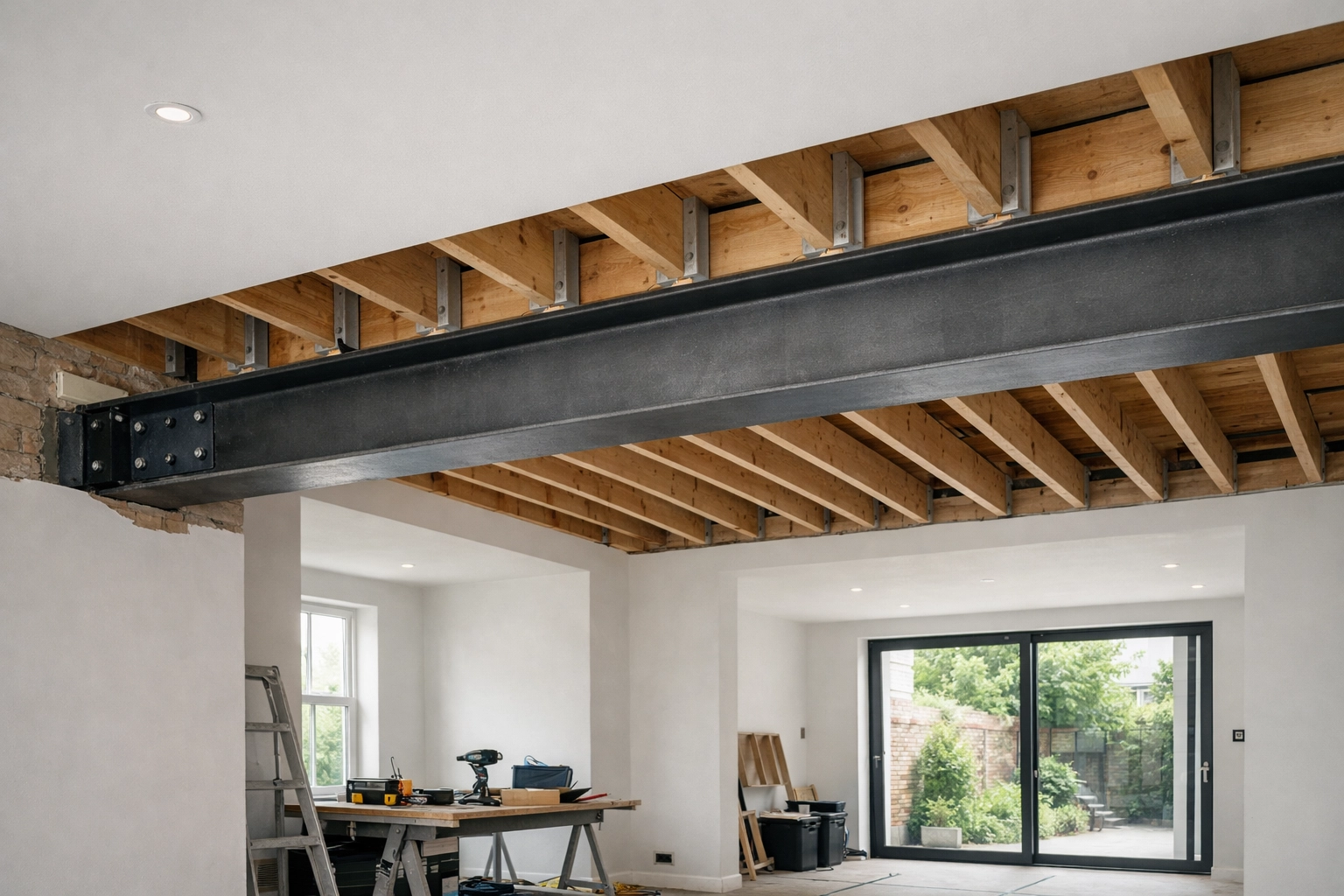
When your hmo architect works alongside a structural engineer, the design is inherently buildable. This integrated approach ensures that Building Control compliance is baked into the plans, reducing the risk of site-level surprises. Whether you are looking at a simple conversion or a massive structural overhaul, integrating design and engineering is the key to a stress-free build.
Maximizing Space: Loft Conversions and Extensions
To make an HMO truly profitable, you often need to increase the square footage of the existing property. Loft conversions and rear extensions are the most common ways to add additional bedrooms and ensuites. However, these additions come with significant costs and planning considerations.
In 2026, the loft conversion cost in London remains a major factor for investors. A high-quality dormer conversion can provide two additional bedrooms, but it requires precise engineering to handle the increased load. Investors must also budget for the structural engineer loft conversion cost, which typically covers the calculations for new floor joists and steel supports.
2026 Price Guide Context
Loft Conversion Cost London: Typically ranges from £50,000 to £80,000+ depending on the complexity and finish.
Structural Engineer Cost: Usually represents a fraction of the total build but is essential for Building Control approval.
For a comprehensive breakdown of these figures, refer to our Ultimate Guide to Loft Conversion Costs in 2026.
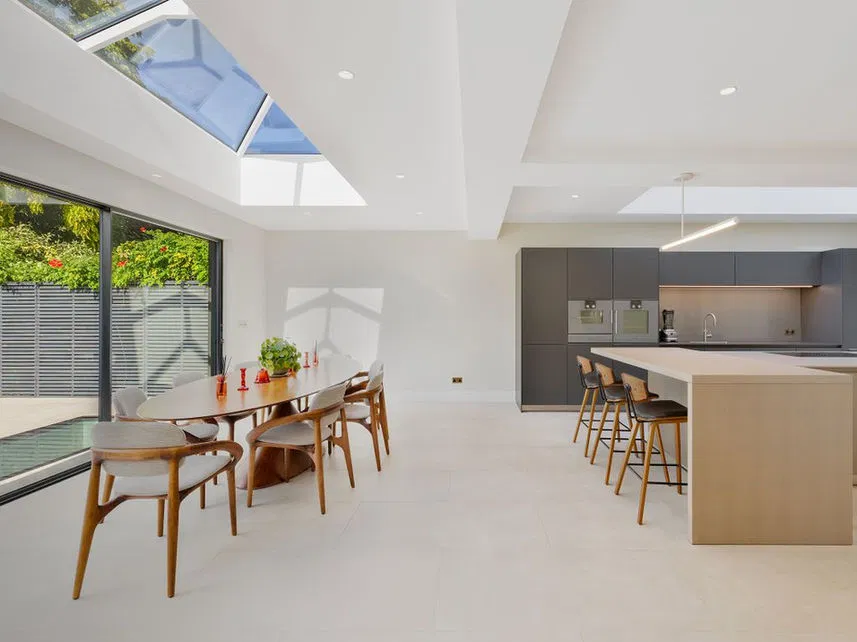
Technical Excellence: RSJs and Building Control
In an HMO, fire safety and acoustic separation are paramount. Every structural decision must align with the latest Building Regulations. This is where the technical expertise of your team truly matters.
Exposed sections of a building under construction often reveal the intricate work required to support a modern conversion. Engineered timber beams, joists, and precise metal hangers must be integrated with the architectural shell to create a robust framework. If your architect does not provide detailed construction drawings that include these elements, you are leaving your project's safety and longevity to chance.
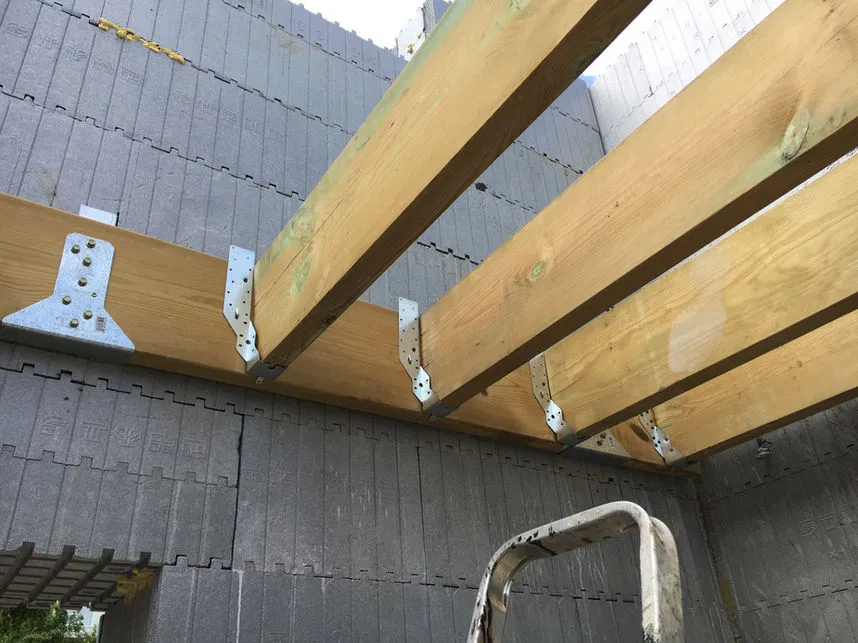
Detailed structural calculations ensure that the RSJs (Rolled Steel Joists) are correctly sized to prevent sagging or structural failure. This level of detail is not just a legal requirement for Building Control; it is a fundamental part of protecting your investment.
What to Look for When Hiring an HMO Architect
When vetting potential firms for your London or Surrey project, ask the following questions to ensure they are the right fit:
Do you have specific HMO experience? Request a portfolio of completed conversions, not just residential extensions.
What is your planning success rate? A high success rate in challenging boroughs like Croydon indicates a strong grasp of local policy.
Do you provide in-house structural engineering? Seamless coordination saves time and prevents costly errors on site.
Are your fees transparent? Look for fixed-price quotations that clearly outline what is included in each stage of the project.
How do you handle Building Control? Ensure they provide full construction drawings and not just planning sketches.
Choosing an architect based on the lowest fee is often a false economy. A poorly designed HMO can lead to lower rents, higher maintenance costs, and potential legal issues with the local council.
Conclusion: Building for the Future
The demand for high-quality rental accommodation in London and Surrey shows no signs of slowing down. As an investor, your goal is to create spaces that are not only profitable but also safe and desirable for tenants. This requires a professional team that understands the nuances of the South East property market.
Whether you are navigating the complexities of a Sui Generis application or calculating the ROI of a dormer extension, the right expertise makes all the difference. By focusing on integrated design, local planning knowledge, and technical excellence, you can transform a standard property into a high-yielding HMO success story.
When it comes to your next project, remember that the most successful developments are those that prioritize structural integrity and architectural vision in equal measure. This holistic approach is what allows Shorplans Developments to deliver consistent results for over two decades. Reach out to a specialist today to begin your journey toward a compliant, high-performance HMO.

