.png)

_edited.png)
The Ultimate Guide to Structural Engineer Loft Conversion Cost: Everything You Need to Succeed with Building Control
- Mar 14
- 5 min read
A loft conversion is the most effective way to add significant value and square footage to a London home without sacrificing garden space. While many homeowners focus on the aesthetic potential of a new master suite or home office, the structural integrity of the build is what ensures the project's long-term success.
Structural engineering serves as the backbone of any successful attic transformation. This guide explores the intricate details of structural engineer loft conversion costs, the necessity of building control compliance, and how integrated architectural services streamline the process for homeowners in London and Surrey.
The Critical Role of a Structural Engineer
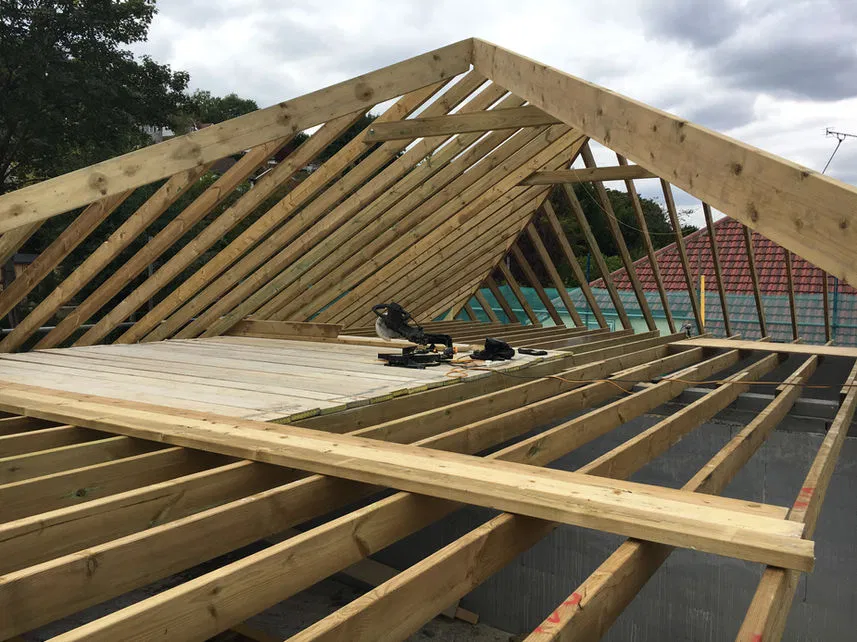
Structural engineers are responsible for ensuring that your existing property can support the weight of a new floor, furniture, and inhabitants. They perform the essential calculations that keep your roof from sagging and your walls from cracking under new loads.
When you begin a loft conversion, your architect will provide the vision, but the engineer provides the mathematical certainty. They design the steel beams (RSJs), timber joists, and floor reinforcements required to meet modern safety standards. Without these calculations, obtaining Building Control approval is virtually impossible.
Whether you are working with architects in Croydon or seeking an architect in Bexleyheath, having a structural expert involved from the earliest stages prevents costly design revisions later in the build.
Structural Engineer Loft Conversion Cost Breakdown
Understanding the financial commitment required for professional engineering services is vital for accurate budgeting. In 2026, the average structural engineer loft conversion cost in London and the South East typically ranges between £750 and £2,200.
This fee generally covers the initial site inspection, structural calculations for the building regulations package, and the design of specific structural elements. For standard dormer conversions, fees often sit in the middle of this range, while more complex mansard or hip-to-gable conversions may lean toward the higher end.
Factors Influencing Engineering Fees
Several variables dictate the final price of engineering services:
Complexity of the Design: Intricate roof shapes or the removal of internal load-bearing walls increase calculation time.
Property Age and Condition: Period properties in London often require more sensitive structural solutions to accommodate aging masonry.
Scale of the Conversion: Larger footprints require more extensive beam placements and load-path analysis.
Project Location: Demand in areas like Croydon and Bexleyheath can influence local rates, though London-wide standards usually apply.
It is worth noting that while these fees represent a modest 1-8% of the total project expenditure, they are the most critical investment you will make. Cutting corners on engineering can lead to structural failure or a failure to sell the property in the future due to lack of compliance.
Navigating Building Control and Compliance
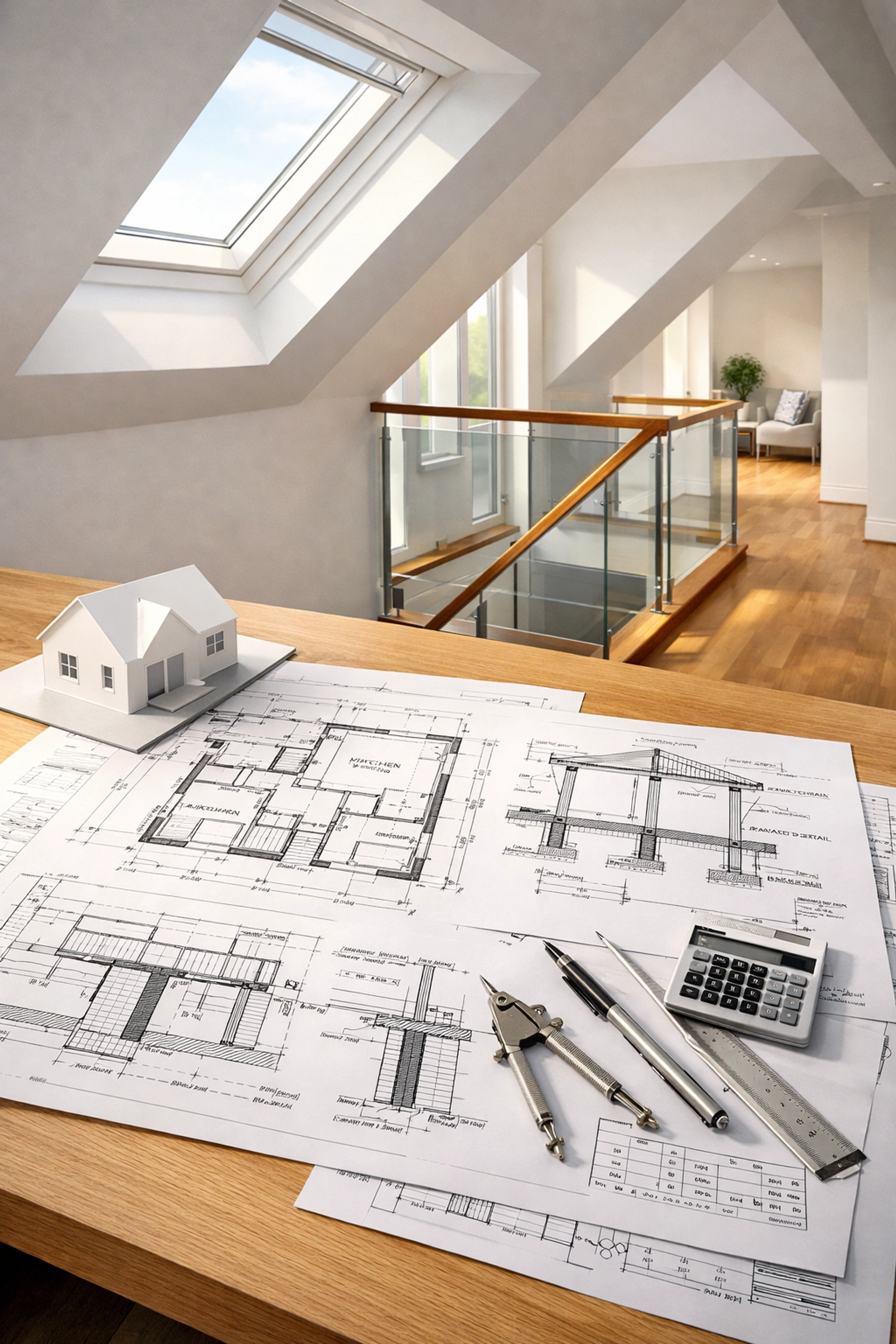
Building Control is a mandatory process that ensures your loft conversion meets national standards for fire safety, insulation, and structural stability. This is distinct from planning permission, which focuses on the external appearance and impact on the neighborhood.
A structural engineer’s calculations are the primary document Building Control officers review to verify that the proposed work is safe. Once the work is completed and inspected, you receive a completion certificate, which is an essential document for any future property sale.
The cost for Building Control approval usually ranges from £700 to £1,200, depending on the local authority or the private approved inspector you choose to hire. Integrated services, such as those provided by Shorplans Developments, ensure that architectural design and structural engineering are aligned from day one, significantly reducing the risk of rejection by inspectors.
Total Loft Conversion Costs in 2026
The overall loft conversion cost in London has seen steady growth over the last several years due to material price fluctuations and labor demand. For homeowners in the London and Surrey regions, a realistic budget for 2026 starts at approximately £40,000 for a basic Velux conversion and can exceed £120,000 for high-end, bespoke spaces.
Cost by Conversion Type:
Velux (Room-in-Roof): £30,000 – £45,000. Ideal for those with sufficient head height who want to avoid major structural changes.
Dormer Conversion: £50,000 – £85,000. The most popular choice in London, providing a significant increase in usable floor space and head height.
Hip-to-Gable: £55,000 – £90,000. Commonly seen on semi-detached properties in Surrey to maximize the side-slope of the roof.
Mansard Conversion: £75,000 – £130,000+. Often required in conservation areas, providing the most space but requiring the most significant structural work.
For a more detailed look at specific types of conversions, you can explore our 2025-2026 price guide for London homeowners.
The Importance of Local Expertise
Navigating the specific requirements of London boroughs requires a team that understands local nuances. Whether you are dealing with the Victorian terraces of Croydon or the suburban semi-detached homes in Bexleyheath, each area presents unique structural challenges.
As a leading hmo architect and residential specialist, Shorplans Developments has spent over 20 years mastering the complexities of London’s architectural landscape. We understand the specific party wall requirements and structural constraints that come with dense urban living.
Local Spotlight: Croydon and Bexleyheath
In Croydon, many loft conversions fall under Permitted Development, but the proximity of neighbors often makes Party Wall Agreements a central part of the cost. In Bexleyheath, the focus is frequently on maximizing family space through hip-to-gable designs that blend seamlessly with the existing street scene.
Using a local team ensures that your structural engineer loft conversion cost is optimized by people who know exactly what the local Building Control officers are looking for.
The Advantage of Integrated Architecture and Engineering
One of the biggest hurdles in any renovation is the communication gap between the architect and the structural engineer. When these two professionals work in silos, designs often have to be modified because the engineer’s required steel beams clash with the architect’s aesthetic vision.
Shorplans Developments eliminates this friction through seamless in-house coordination. By having our architects and engineers work under one roof, we ensure that every design is structurally feasible from the first sketch. This integrated approach saves time, reduces stress, and ultimately lowers the overall project cost by avoiding mid-construction changes.
Whether you are exploring innovative modern architecture in London or a traditional loft extension, the synergy between design and engineering is the key to a stress-free build.
Essential Steps for a Successful Loft Conversion
Initial Feasibility Study: Determine if your roof pitch is high enough (usually 2.2m at the highest point) to allow for a conversion.
Architectural Design: Create plans that maximize light and flow while respecting the character of your home.
Structural Calculations: Hire an engineer to provide the technical roadmap for the build.
Party Wall Notices: Inform your neighbors if the work involves a shared wall. This can add £1,000+ per neighbor to your budget if disputes arise.
Building Control Application: Submit your plans for approval before the first hammer swings.
Construction: Select a reputable builder who can follow engineered plans with precision.
Why Quality Engineering Matters for Your Future
The structural work of a loft conversion is largely hidden once the plasterboard is up and the paint is dry. However, the quality of that invisible work dictates the safety and longevity of your home. Proper engineering prevents the "bouncing floor" effect common in poorly executed conversions and ensures your home remains energy efficient and draught-free.
Investing in expert engineering today protects your investment for decades to come. As we look toward the future of residential design in London and Surrey, the integration of sustainability and structural integrity remains at the forefront of our mission at Shorplans Developments.
With over two decades of experience, we provide the clarity and technical expertise required to transform your attic into a stunning, compliant, and valuable living space. If you are ready to begin your journey, understanding the benefits of no-obligation quotations is the perfect first step toward realizing your home’s full potential.
From the first calculation to the final Building Control sign-off, our team is here to ensure your loft conversion is a resounding success. The path to a more spacious home starts with solid engineering and a vision for the future.


