.png)

_edited.png)
What Is an HMO? The London Property Owner's Guide to HMO Design, Licensing & Compliance
- Feb 10
- 5 min read
Houses in Multiple Occupation represent one of London's fastest-growing property investment sectors. The returns can be substantial, but the regulatory framework is complex.
A House in Multiple Occupation (HMO) is a residential property occupied by three or more people forming two or more households who share basic amenities. That's the legal definition under the Housing Act 2004. In practical terms, it means student houses, professional house shares, bedsits, and converted buildings with shared facilities.
The key distinction lies in the word "household." Families living together don't constitute an HMO. Three friends sharing a flat and paying separate rents do.
Understanding HMO Classification
Not all HMOs face the same regulatory requirements. The classification determines which rules apply to your property.
Standard HMOs include properties with three or more tenants from different households sharing amenities. These might require additional licensing depending on your local authority's selective or additional licensing schemes.
Large HMOs have stricter requirements. Any property with five or more tenants forming more than one household with shared facilities qualifies as a large HMO. Before October 2018, large HMOs needed to span three or more floors. That requirement no longer applies, significantly expanding the properties subject to mandatory licensing.
Purpose-built flats within blocks of three or more flats remain excluded from large HMO classification. Everything else falls under the scope.
The Mandatory Licensing Requirement
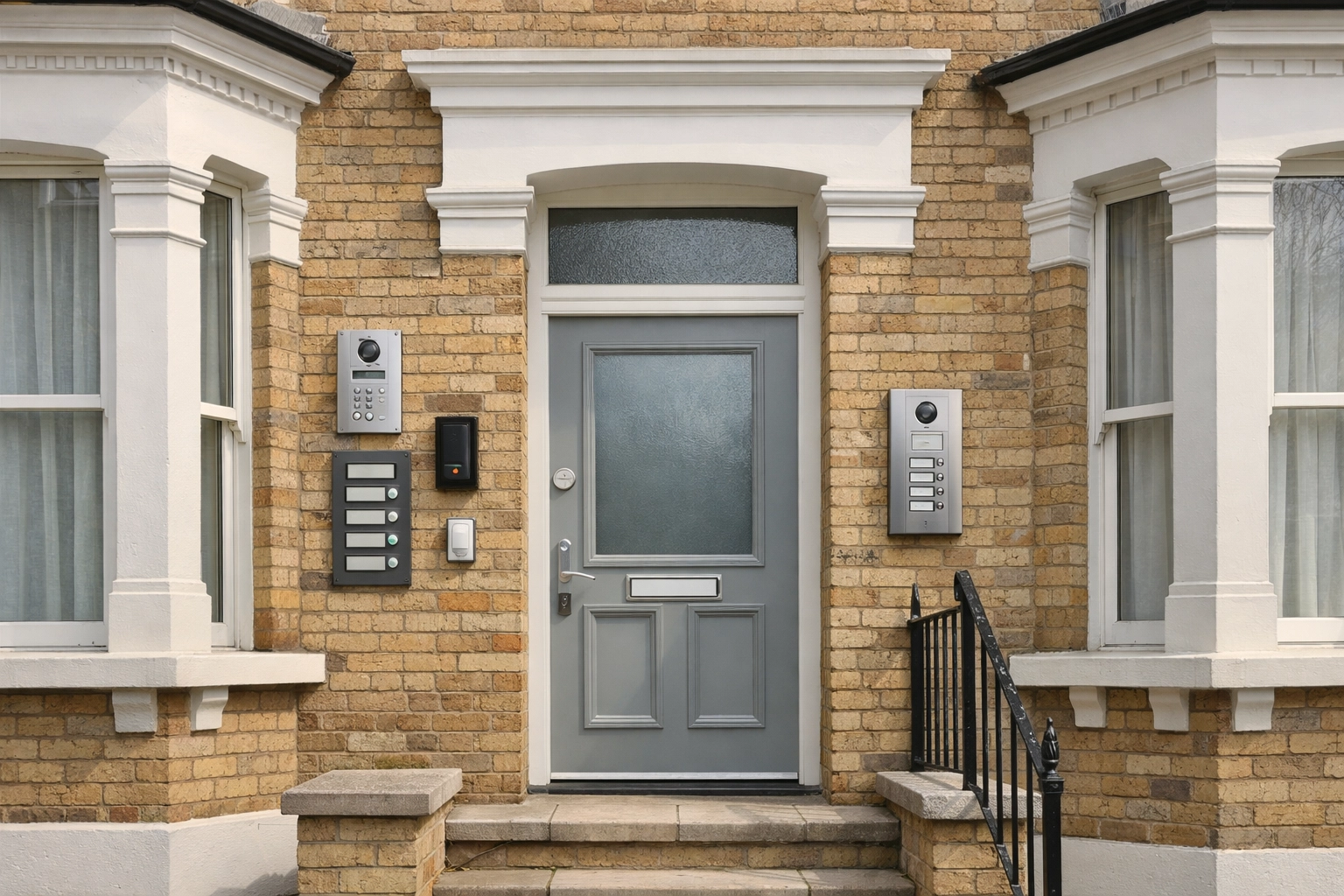
Landlords operating large HMOs must obtain a mandatory license from their local authority. There's no way around this.
The licensing process examines whether the property meets minimum safety and amenity standards. Local authorities assess room sizes, fire safety provisions, kitchen and bathroom facilities, and general property condition. They also evaluate the landlord's fitness to operate an HMO, checking for previous housing offenses or management failures.
Operating an unlicensed HMO carries serious consequences. Councils can issue unlimited fines, and landlords may face rent repayment orders requiring them to return up to 12 months of rent to tenants. The financial risks make compliance non-negotiable.
Additional and Selective Licensing Schemes
Many London boroughs have introduced additional licensing requirements beyond the mandatory scheme. Camden, Newham, Waltham Forest, and numerous other authorities require licenses for smaller HMOs or specific property types.
Selective licensing schemes target particular geographical areas rather than property types. If your investment sits within a selective licensing zone, you'll need a license regardless of whether the property qualifies as an HMO.
The licensing landscape varies significantly across London's 32 boroughs. What applies in Croydon differs from Bexleyheath or Westminster. Local authority websites provide specific guidance, but the intricate system can confuse even experienced landlords.
Design Standards That Make or Break Compliance
HMO regulations extend far beyond paperwork. Physical design standards determine whether a property qualifies for licensing.
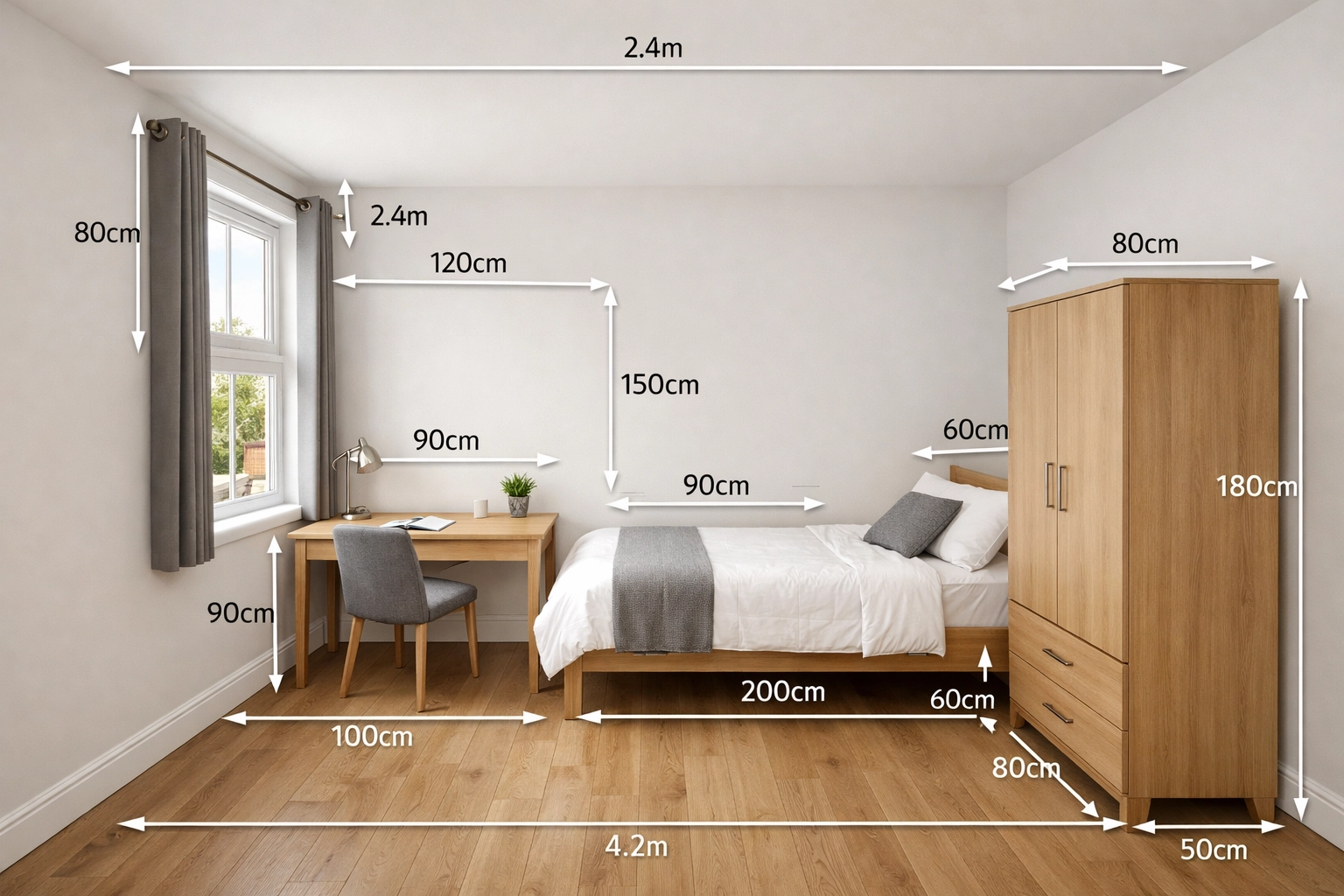
Minimum room sizes constitute a fundamental requirement. Bedrooms must meet specific square footage thresholds based on occupancy. A room for one person requires at least 6.51 square meters. Two people need 10.22 square meters. Anything smaller fails the standard.
Kitchen facilities must be adequate for the number of occupants. Large HMOs typically require specific provisions: sufficient cooking appliances, preparation space, and food storage. The exact ratios depend on household numbers, but under-equipped kitchens trigger licensing refusals.
Bathroom and toilet provision follows similar logic. Properties need adequate facilities relative to occupant numbers. One bathroom for eight tenants won't meet the standard.
Fire Safety Requirements
Fire safety represents the most complex aspect of HMO compliance. The requirements depend on property layout, occupancy levels, and building construction.
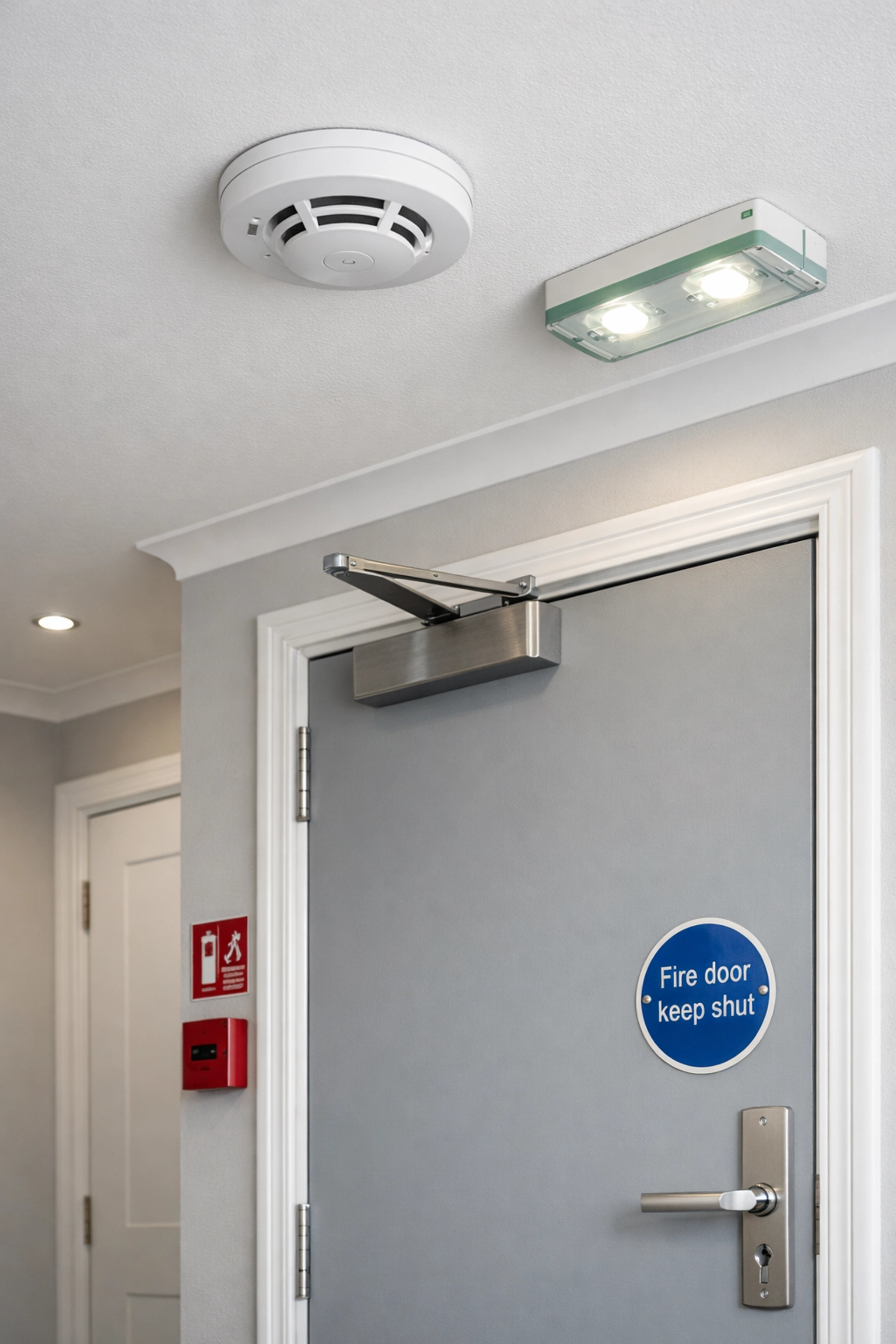
All HMOs need appropriate fire detection systems. Large HMOs typically require interlinked smoke and heat detectors throughout. Fire doors, emergency lighting, and fire blankets may be necessary depending on the property configuration.
Means of escape planning becomes critical in multi-story HMOs. Protected escape routes, fire-resistant construction, and emergency exit provisions must meet Building Regulations standards. This is where architectural and structural expertise becomes essential rather than optional.
Why HMO Projects Need Specialist Architects
Converting a property to HMO use or designing a new HMO development requires more than standard architectural services. The intersection of planning policy, licensing requirements, building regulations, and fire safety creates a unique challenge.
HMO architects understand the regulatory framework governing Houses in Multiple Occupation. They design room layouts that maximize rental income while meeting minimum size standards. They specify fire safety measures that satisfy both Building Control and licensing officers. They navigate the planning considerations that can derail HMO applications.
Structural implications often arise in HMO conversions. Creating additional bedrooms, installing ensuite facilities, or reconfiguring floor plans can affect load-bearing elements. Properties converted to HMO use may require structural calculations and engineers' input to ensure compliance.
At Shorplans Developments, we provide integrated architectural and structural engineering services for HMO projects across London. Our team handles the complete design process, from initial feasibility through planning applications, Building Regulations approval, and licensing support.

The Planning Permission Question
Whether an HMO requires planning permission depends on the specific use class and local planning policies.
Converting a single dwelling (C3 use class) to a small HMO with three to six occupants (C4 use class) often constitutes permitted development. This means no planning permission is required in many areas. However, numerous London boroughs have removed this permitted development right through Article 4 directions.
Large HMOs with seven or more occupants fall under sui generis classification. These always require planning permission for change of use. Additionally, many councils have implemented Article 4 directions covering all HMO conversions, regardless of size.
The planning landscape for HMOs has tightened considerably. Councils increasingly scrutinize HMO applications due to concerns about neighborhood character, parking pressure, and housing balance. Some boroughs have introduced policies limiting HMO concentrations in specific wards.
How HMO Design Affects Investment Returns
Good HMO design directly impacts rental yields and property value. Poorly planned conversions create ongoing management headaches and limit income potential.
Efficient layouts maximize the number of compliant bedrooms while providing adequate communal space. Squeezing in extra rooms at the expense of kitchen or living areas reduces tenant appeal and may breach licensing standards.
Ensuite provisions command premium rents in professional house shares. However, creating multiple ensuites requires careful planning to avoid structural complications and excessive costs.
Storage solutions often get overlooked in HMO designs. Tenants need personal storage, and properties require space for bins, bicycles, and maintenance equipment. Addressing these requirements at the design stage prevents future problems.
Working With Local Authorities
Successful HMO projects require positive relationships with planning and licensing departments. Early engagement helps identify potential issues before significant costs accumulate.
Pre-application advice services allow developers to test proposals before submitting formal applications. Planning officers provide feedback on whether the proposed use is acceptable and what design modifications might be necessary.
Licensing consultations with housing standards teams clarify specific requirements for individual properties. Officers can visit sites to advise on necessary improvements before formal license applications.
This collaborative approach reduces the risk of expensive rejections and redesigns. When HMO architects facilitate these discussions, they translate technical requirements into practical design solutions.
The Compliance Checklist
Before proceeding with an HMO project, property owners should verify:
Whether the property requires mandatory, additional, or selective licensing
If planning permission is needed for the intended use
What fire safety provisions the specific property configuration requires
Whether structural modifications are necessary and feasible
That room sizes meet minimum standards for intended occupancy
If adequate kitchen, bathroom, and toilet facilities can be provided
Whether parking requirements apply in the local area
Working through this checklist early prevents costly mistakes and project delays.
Looking Ahead
HMO regulation continues to evolve. The government regularly reviews licensing requirements, and individual boroughs introduce new schemes annually. Staying current with regulatory changes protects property investments and ensures ongoing compliance.
Professional support from experienced HMO architects provides certainty in a complex regulatory environment. At Shorplans Developments, we guide London property owners through every stage of HMO development, from initial concept to final certification. Our integrated approach combines architectural design excellence with deep compliance knowledge, delivering projects that meet regulatory standards while maximizing investment returns.

