.png)

_edited.png)
The In-House Advantage: Why Your Architect and Structural Engineer Need to Be on the Same Team
- Feb 17
- 6 min read
Most building projects fail before a single brick gets laid. The culprit isn't bad design or insufficient funding: it's the coordination gap between architects and structural engineers working in isolation.
When these two professionals operate as separate entities, homeowners and developers face delayed timelines, budget overruns, and compromised designs. The architectural vision clashes with structural reality, and someone has to give: usually your wallet or your dream renovation.
The Complementary Expertise Problem
Architects determine the "what" of a building. They craft the vision, establish the aesthetic direction, and create spaces that fulfil functional requirements. Their expertise lies in spatial planning, natural light optimization, and translating client aspirations into tangible designs.
Structural engineers determine the "how." They calculate load-bearing requirements, specify materials that can safely support the proposed structure, and ensure every beam, column, and foundation meets rigorous safety standards. Without their input, even the most beautiful design remains theoretical.
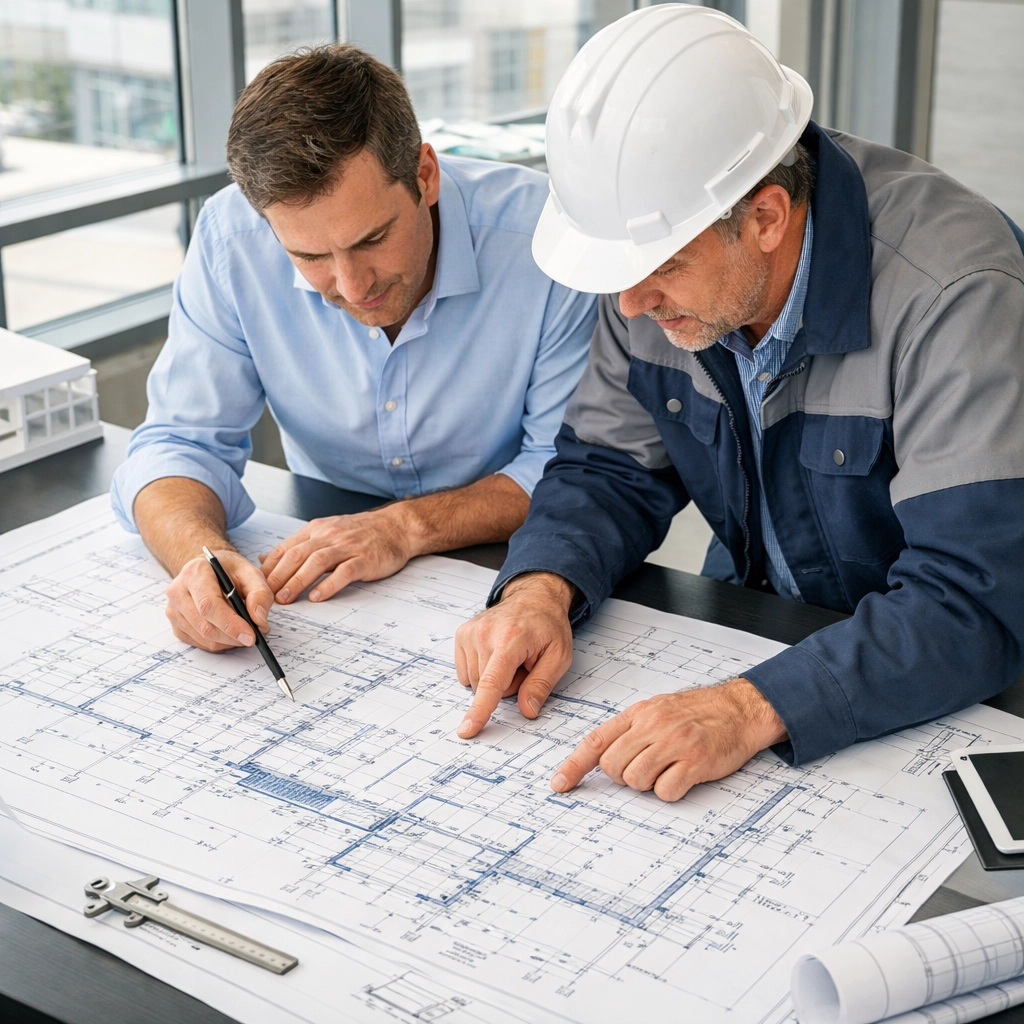
The division sounds logical on paper. In practice, it creates friction points throughout the project lifecycle. An architect designs an open-plan living space with minimal internal walls, only to discover the structural engineer requires steel columns that disrupt sightlines. A structural engineer specifies larger RSJ beams than anticipated, eating into ceiling heights the architect carefully calculated.
These conflicts emerge most frequently in loft conversions across London, where spatial constraints amplify every miscalculation. When professionals work separately, each design iteration requires multiple rounds of back-and-forth communication, extending timelines by weeks or months.
Cost Implications of Disconnected Teams
The structural engineer loft conversion cost represents a significant portion of any renovation budget. When brought in late: after architectural drawings are complete: engineers often identify fundamental issues requiring design revisions. Those revisions trigger new planning submissions, updated architectural drawings, and delayed construction starts.
A typical scenario unfolds like this: An architect designs a dormer loft conversion for a property in Croydon, maximizing usable floor space within permitted development rights. The homeowner receives planning approval and feels confident about the loft conversion cost London estimates they've gathered. Then the structural engineer reviews the approved drawings and identifies that the proposed roof structure requires additional steel supports, increasing costs by 15-20% and necessitating Building Control amendments.
Early collaboration prevents this expensive cascade. When architects and structural engineers work together from initial concept stages, structural feasibility gets embedded into the design DNA. The engineer identifies load-bearing limitations before they become problems. The architect adjusts room layouts to work with: rather than against: structural realities.
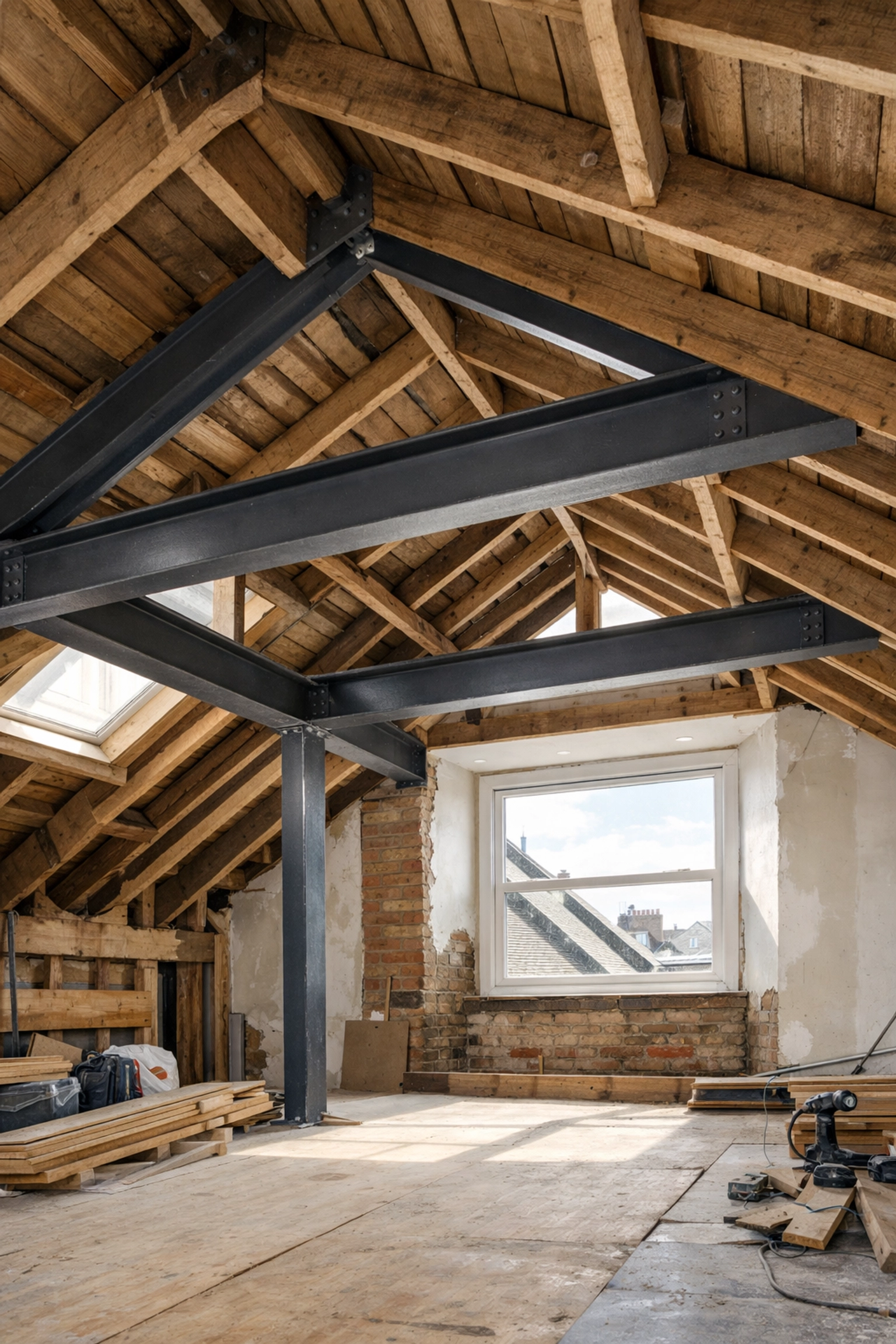
This integrated approach proves particularly valuable for HMO developments, where structural modifications must accommodate multiple self-contained units while maintaining fire safety standards. An HMO architect working alongside a structural engineer can design partition walls that provide both sound insulation and structural support, eliminating redundant elements that inflate construction costs.
Regional Considerations: Croydon, Bexleyheath, and Beyond
Building characteristics vary significantly across South London and surrounding areas. Victorian terraces dominate Croydon's residential stock, featuring solid brick walls and traditional timber floor structures. These properties present specific structural challenges when homeowners pursue loft conversions or rear extensions.
Bexleyheath properties tend toward 1930s semi-detached houses with cavity wall construction and different loading capacities compared to Victorian builds. An architect Bexleyheath specialists understand these distinctions matter when specifying structural interventions. The same steel beam specification appropriate for a Victorian terrace might prove unnecessarily expensive: or dangerously inadequate: for a 1930s semi.

Local building control requirements add another layer of complexity. Different boroughs interpret Building Regulations with subtle variations. Architects in Croydon familiar with their local authority's preferences can guide structural engineers toward specifications that satisfy both regulatory requirements and local enforcement officers' expectations. This regional expertise reduces approval delays and re-submission risks.
Surrey properties often feature larger plots with more complex foundation situations. Clay soil conditions prevalent across the region require careful consideration when adding structural loads through extensions or loft conversions. Engineers and architects working together from project inception can conduct simultaneous site assessments, identifying ground conditions and design opportunities in a single visit rather than sequential consultations.
Safety and Compliance: The Non-Negotiable Partnership
Building Regulations exist to protect occupants, neighbours, and future owners. Structural safety sits at the core of these regulations: poor structural design creates catastrophic risks that might not manifest for years after construction completes.
Architects understand the regulatory framework but lack the technical training to perform structural calculations. Structural engineers possess the mathematical expertise but may not fully grasp how their specifications impact the architectural vision or user experience. Together, they create designs that satisfy both safety requirements and livability standards.
Party wall scenarios exemplify this partnership's importance. When planning a loft conversion or extension that affects a shared wall with neighbouring properties, both architectural design and structural specifications require careful coordination. The architect positions new structural elements to minimize intrusion into the neighbour's property. The structural engineer ensures those elements provide adequate support without compromising the party wall's integrity.
The In-House Advantage in Practice
Shorplans Developments operates with architects and structural engineers under one roof, literally. This structural integration eliminates the coordination gaps that plague projects managed through multiple separate consultancies.
When a client approaches us about a residential extension, both professionals attend the initial site visit. The architect observes spatial opportunities and design potential. The engineer simultaneously assesses existing structures, foundation conditions, and load-bearing walls. They discuss feasibility in real-time, identifying showstopper issues before anyone invests time in unworkable designs.
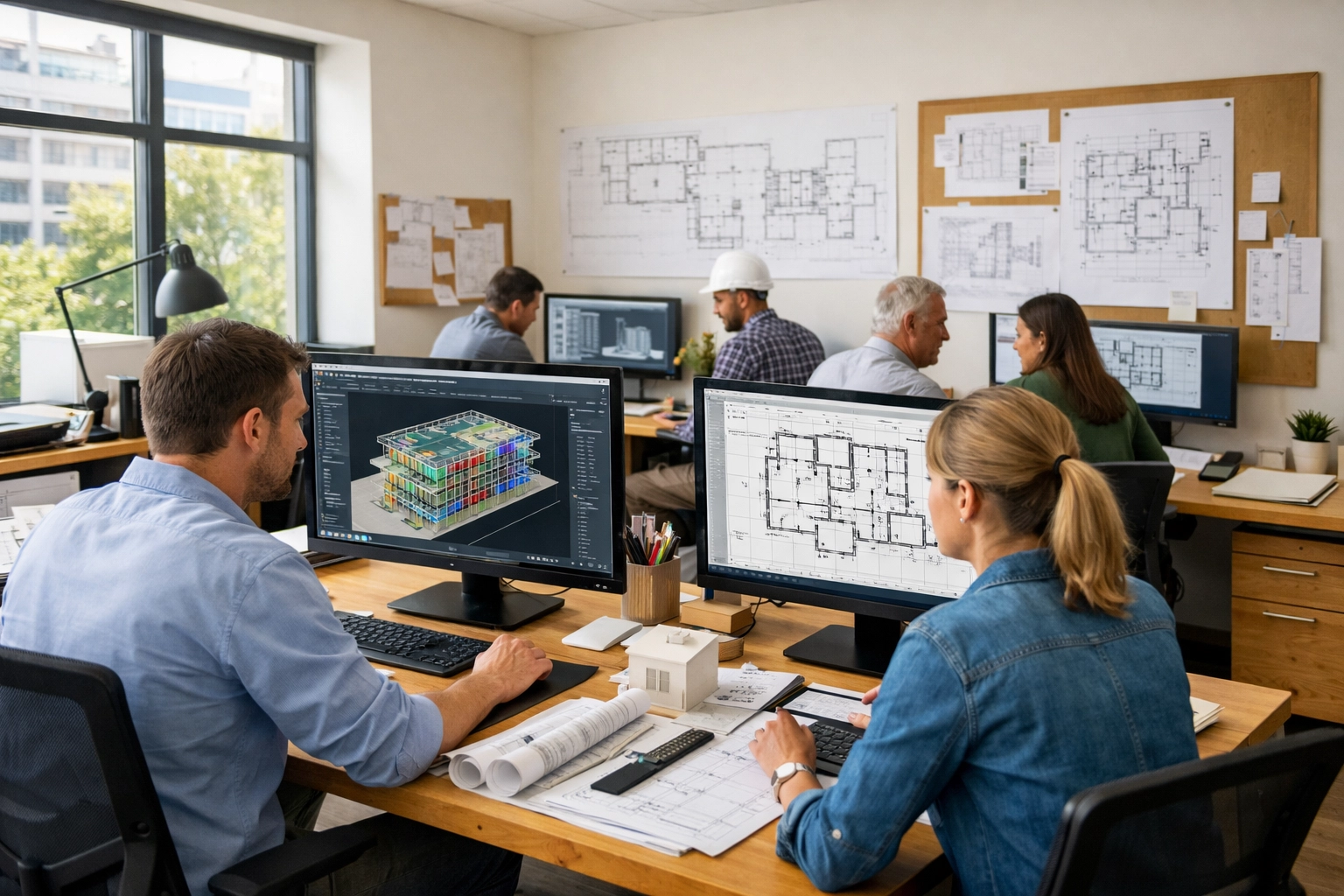
This collaborative approach accelerates the design process significantly. Rather than sequential workflows where architectural drawings pass to engineers for review, then return with comments requiring redesign, both disciplines develop solutions concurrently. The architect sketches layout options while the engineer models structural solutions. They iterate together, refining both aesthetics and engineering in parallel.
Communication overhead drops to near zero. No formal emails requesting clarifications. No waiting days for responses from external consultants juggling multiple clients. The structural engineer sits ten meters away, available for immediate consultation when the architect encounters a technical question.
Quality control improves dramatically. With 20+ years of experience collaborating on hundreds of projects, our architectural and engineering teams have developed shared working knowledge. They anticipate each other's requirements and constraints. The architect knows which structural solutions the engineer prefers for specific situations. The engineer understands which architectural elements matter most to the client experience and finds ways to preserve them despite structural challenges.
Project Timeline and Client Experience
Traditional multi-consultancy projects follow a waterfall model: architect completes drawings, engineer reviews them, architect revises, engineer approves, drawings go to Building Control, revisions emerge, cycle repeats. Each handoff introduces delays.
In-house integration enables parallel processing. While the architect refines floor plans, the engineer develops foundation designs. When Building Control requests clarifications, both professionals collaborate on responses immediately rather than coordinating through separate firms with different response timeframes and billing structures.
Clients experience this integration as seamless project management. They don't navigate between multiple professionals offering conflicting advice. They don't receive separate invoices from architects and engineers with unclear demarcations. One team provides unified guidance from concept through construction completion.
For commercial projects and mixed-use developments, this coordination advantage becomes even more pronounced. These complex builds involve multiple stakeholders, stringent regulations, and higher financial stakes. Having architects and engineers working from the same project management system, sharing the same site visit notes, and aligned on the same delivery timeline reduces the risks that derail commercial developments.
Beyond Cost Savings: Design Innovation
The true value of integrated architectural and structural engineering extends beyond efficiency and cost control. Close collaboration enables design innovation impossible when disciplines work separately.
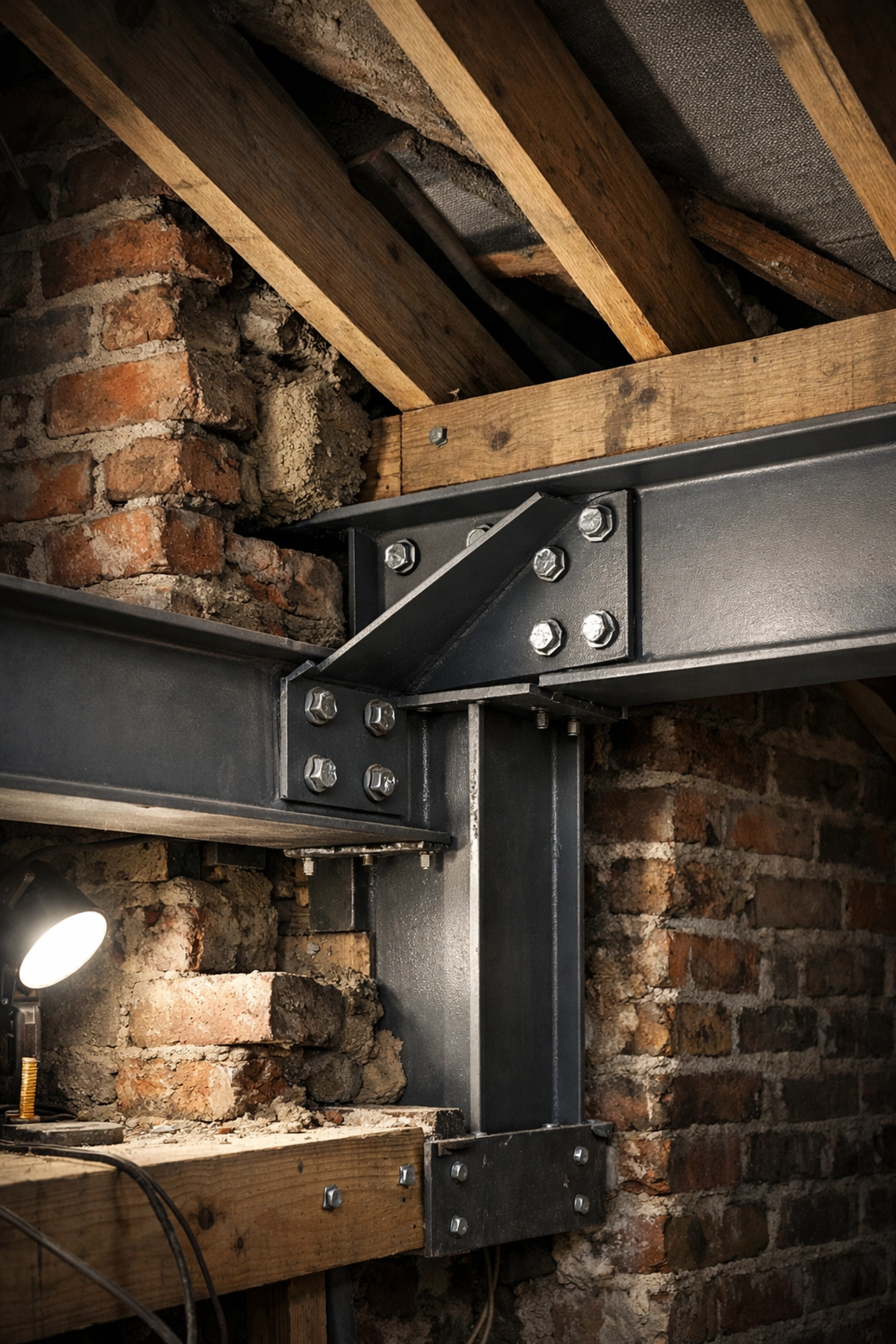
Structural engineers who understand the architectural vision can propose creative solutions that enhance rather than constrain design. Instead of simply specifying standard steel beams to meet loading requirements, they might suggest alternative structural approaches that create architectural features: exposed steelwork as a design element, structural glazing that eliminates visual barriers, or cantilevers that extend living space beyond traditional building footprints.
Architects informed by real-time structural feedback can push boundaries confidently. They know which bold design moves remain structurally feasible and which cross into impractical territory. This informed creativity produces buildings that balance aesthetic ambition with structural reality.
The partnership between architecture and structural engineering represents more than operational efficiency. It embodies a fundamental truth about building design: great buildings emerge from integrated thinking, where form and structure evolve together rather than in opposition. After two decades of practicing this integrated approach, the results speak clearly: projects that finish on time, stay within budget, and exceed expectations consistently emerge when architects and structural engineers function as one team.

