.png)

_edited.png)
Structural Engineer Loft Conversion Cost Explained: Why Integrated Design Saves You Money
- 1 day ago
- 5 min read
Expanding your living space through a loft conversion is one of the most transformative investments a homeowner can make. It adds significant market value while unlocking underutilised square footage without the need to sacrifice garden space. However, many homeowners in London and Surrey are often surprised by the technical complexities involved in turning a dusty attic into a habitable room.
A successful project relies on more than just a creative floor plan. It requires a robust structural framework that ensures the safety and longevity of the entire property. This article delves into the structural engineer loft conversion cost, the necessity of professional calculations, and how an integrated design approach can significantly reduce your overall expenditure.
The Role of a Structural Engineer in Your Loft Project
A structural engineer is the silent guardian of your home renovation. While the architect focuses on aesthetics, light, and flow, the engineer focuses on the physics of the build. They determine how the existing walls, foundations, and roof will support the new loads introduced by floor joists, furniture, and inhabitants.
When it comes to loft conversions, the engineer’s primary task is to design a system that compensates for the removal of original roof supports. Most traditional roofs rely on a complex web of timber struts that cannot simply be cut away. The engineer produces detailed "structural calculations" and drawings that specify the size and placement of steel beams, often referred to as RSJs (Rolled Steel Joists).
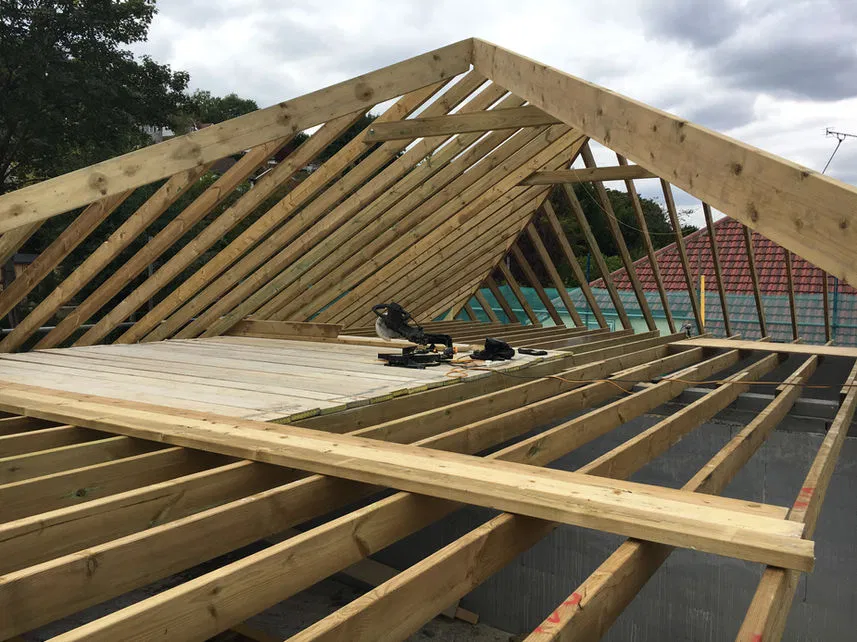
These calculations are not just a recommendation; they are a legal requirement. Building Control officers will not sign off on your project without seeing stamped structural plans that prove the new floor won't sag and the roof won't spread. Whether you are working with architects in Croydon or planning a bespoke build in Bexleyheath, these technical documents form the backbone of your Building Regulations application.
Breaking Down the Structural Engineer Loft Conversion Cost
Understanding the financial breakdown of professional fees is crucial for accurate budgeting. In the current 2026 market, homeowners should expect the structural engineer loft conversion cost to vary based on the complexity of the design and the type of property.
On average, a structural engineer for a standard terraced or semi-detached loft conversion in London will charge between £800 and £2,000. For more complex projects, such as those involving heavy dormers, roof-lifts, or properties with existing structural issues, fees can climb higher. While this may seem like a significant upfront cost, it typically represents only 2% to 5% of the total loft conversion cost in London.
Several factors influence these fees:
Property Type: A Victorian terrace in Croydon often requires different structural solutions than a 1930s detached home in Surrey.
Design Complexity: A simple Velux conversion is far less demanding than a full wrap-around L-shaped dormer.
Site Visits: Engineers may charge extra for initial site inspections or mid-construction visits to verify that the contractor is following the plans correctly.
The Pitfalls of "Piece-Meal" Design
Many homeowners attempt to save money by hiring a freelance architect for the plans and then seeking a separate structural engineer later. This fragmented approach often leads to hidden costs and construction delays. When the architect and engineer work in silos, designs frequently clash.
An architect might design a beautiful open-plan master suite with floor-to-ceiling windows, only for the engineer to later announce that a massive steel pillar is required right in the middle of the room to support the weight. Correcting these discrepancies mid-project is expensive and frustrating. This is where the integrated design model offered by Shorplans Developments becomes a game-changer.
Why Integrated Design Saves You Money
At Shorplans Developments, we have spent over 20 years perfecting the "in-house" coordination of architecture and structural engineering. By having both disciplines under one roof, we eliminate the communication gap that often plagues residential renovations.
Integrated design saves you money in three distinct ways:
1. Optimized Material Specifications
An independent engineer might "over-engineer" a project to be safe, specifying larger, more expensive steel beams than are strictly necessary. Because our engineers work directly with our design team, they can refine calculations to ensure the structure is safe but also cost-effective. Precision engineering means you aren't paying for surplus steel or unnecessary labour.
2. Streamlined Building Control Approval
Local authorities in Bexleyheath and Surrey have strict compliance standards. When architectural plans and structural calculations are submitted as a unified package, the approval process is significantly smoother. Queries from Building Control are resolved instantly within our office, preventing the weeks of back-and-forth emails that can stall a project.
3. Reduced Contractor "Risk Pricing"
When a contractor looks at a set of plans that are vague or lack detailed structural integration, they often add a "risk premium" to their quote. They anticipate problems and charge you for the potential headache. Providing a contractor with a seamless, integrated technical pack allows them to quote with confidence, often leading to lower tender prices for the build phase. You can see examples of our precisely executed residential renovations here.
Local Spotlights: From Croydon to Surrey
The structural requirements for a loft conversion change depending on the local landscape. In densely populated areas like Croydon and Bexleyheath, the prevalence of Victorian and Edwardian housing stock presents unique challenges. These older buildings often have thinner party walls, requiring delicate structural connections that don't disturb the neighbours.
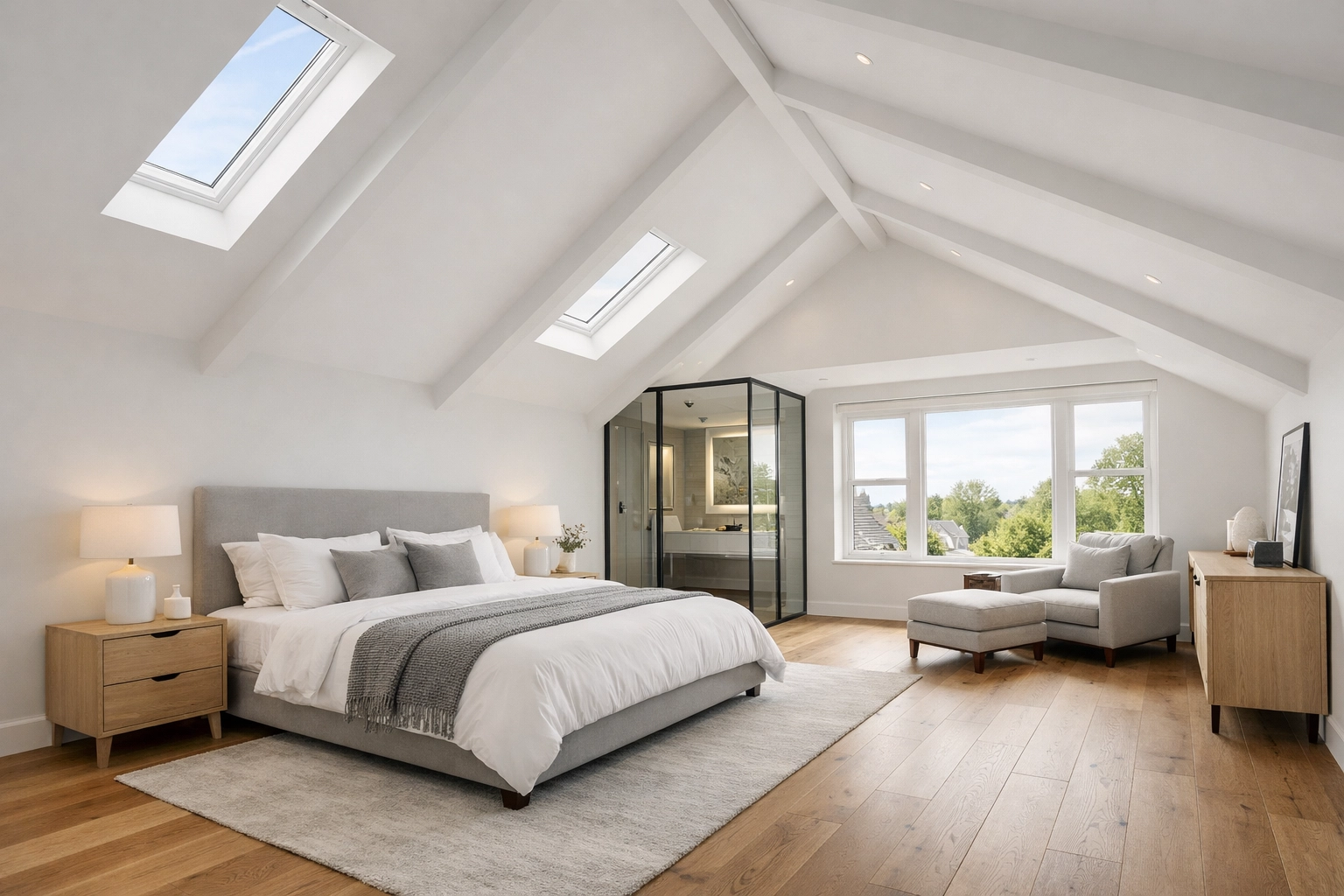
In Surrey, we frequently work on larger detached properties where the goal is often a high-end master suite or even a self-contained unit. For those looking at investment properties, such as a HMO architect project, the structural demands are even higher due to fire safety regulations and soundproofing requirements between floors.
Beyond the Steel: Building Control and Compliance
It is a common misconception that the structural engineer’s job ends with the RSJ calculations. In reality, their expertise is vital for overall Building Control compliance. This includes:
Floor Joist Spacing: Ensuring the new floor can handle the "live load" of a bedroom or bathroom.
Staircase Integrity: Calculating the structural opening for the new stairs without compromising the existing ceiling below.
Fire Protection: Advising on the necessary fire-rated encasement for structural steels.
A mistake in any of these areas can result in a "notice of irregularity" from the council, forcing you to undo expensive work. By investing in professional structural engineering upfront, you are essentially buying an insurance policy against future legal and physical failures.
Sustainability and Modern Structural Solutions
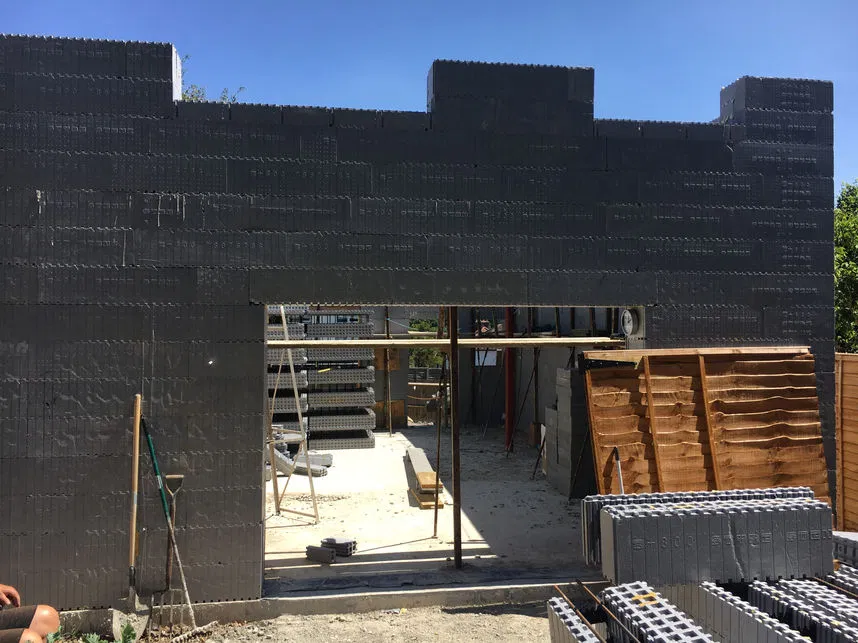
Modern loft conversions are increasingly moving towards sustainable materials. We often explore the use of engineered timber (like glulam beams) or SIPs (Structurally Insulated Panels) where appropriate. These materials can sometimes offer better thermal performance and faster installation times than traditional steel and masonry.
Structural engineering plays a key role in this green transition. An engineer must calculate the thermal bridges created by steel beams and suggest ways to mitigate heat loss. In 2026, a "cheap" loft conversion that doesn't account for modern insulation standards will end up being very expensive to heat.
Conclusion: Making the Right Investment
When evaluating the structural engineer loft conversion cost, it is vital to look beyond the initial fee. The value of an engineer lies in the money they save you on materials, the time they save you during the planning phase, and the peace of mind they provide for years to come.
Whether you are looking for an architect in Bexleyheath to design a contemporary dormer or need complex structural calculations in Surrey, the key to success is integration. By choosing a firm like Shorplans Developments, you are choosing a team that understands how architecture and engineering must work in harmony.
Don't let your loft conversion become a series of expensive structural surprises. By prioritising integrated design from day one, you ensure that your new space is not only beautiful but also built on a foundation of technical excellence. Explore our full portfolio of projects to see how we turn structural challenges into architectural opportunities.

