.png)

_edited.png)
The HMO Blueprint: How to Maximize Rental Yield with Smart Design
- Feb 27
- 5 min read
London property owners face mounting pressure to maximize returns in an increasingly competitive rental market. Houses in Multiple Occupation (HMOs) offer a compelling solution: but only when designed correctly.
The difference between a profitable HMO and an expensive mistake often comes down to architectural planning. This article explores how smart design transforms standard properties into high-yield rental assets while navigating London's complex licensing requirements.
What Is an HMO and How Does It Work?
An HMO is a property rented by three or more tenants who form more than one household and share facilities like kitchens or bathrooms. The definition matters because it triggers specific legal requirements and licensing obligations across London boroughs.
Local authorities classify HMOs based on tenant numbers and property layout. A standard HMO houses 3-4 unrelated tenants. A large HMO accommodates five or more people forming two or more households. Some London boroughs require additional licensing for properties with any number of shared occupants.
The financial model differs from single-let properties. Instead of one monthly rent payment, landlords receive multiple income streams from individual tenants. This structure typically generates 20-30% higher yields than traditional rentals: assuming the design supports occupancy rates and meets regulatory standards.
Why Design Determines Profitability
HMO success hinges on sustained occupancy rather than premium pricing. A poorly designed property sits vacant while well-planned spaces attract long-term tenants willing to pay competitive rates.
The architecture must balance regulatory compliance with tenant appeal. Minimum room sizes, fire safety installations, and adequate facilities are legal requirements: not optional extras. But meeting these baseline standards doesn't guarantee profitability. The properties that command higher rents incorporate strategic design elements that enhance daily living experiences.
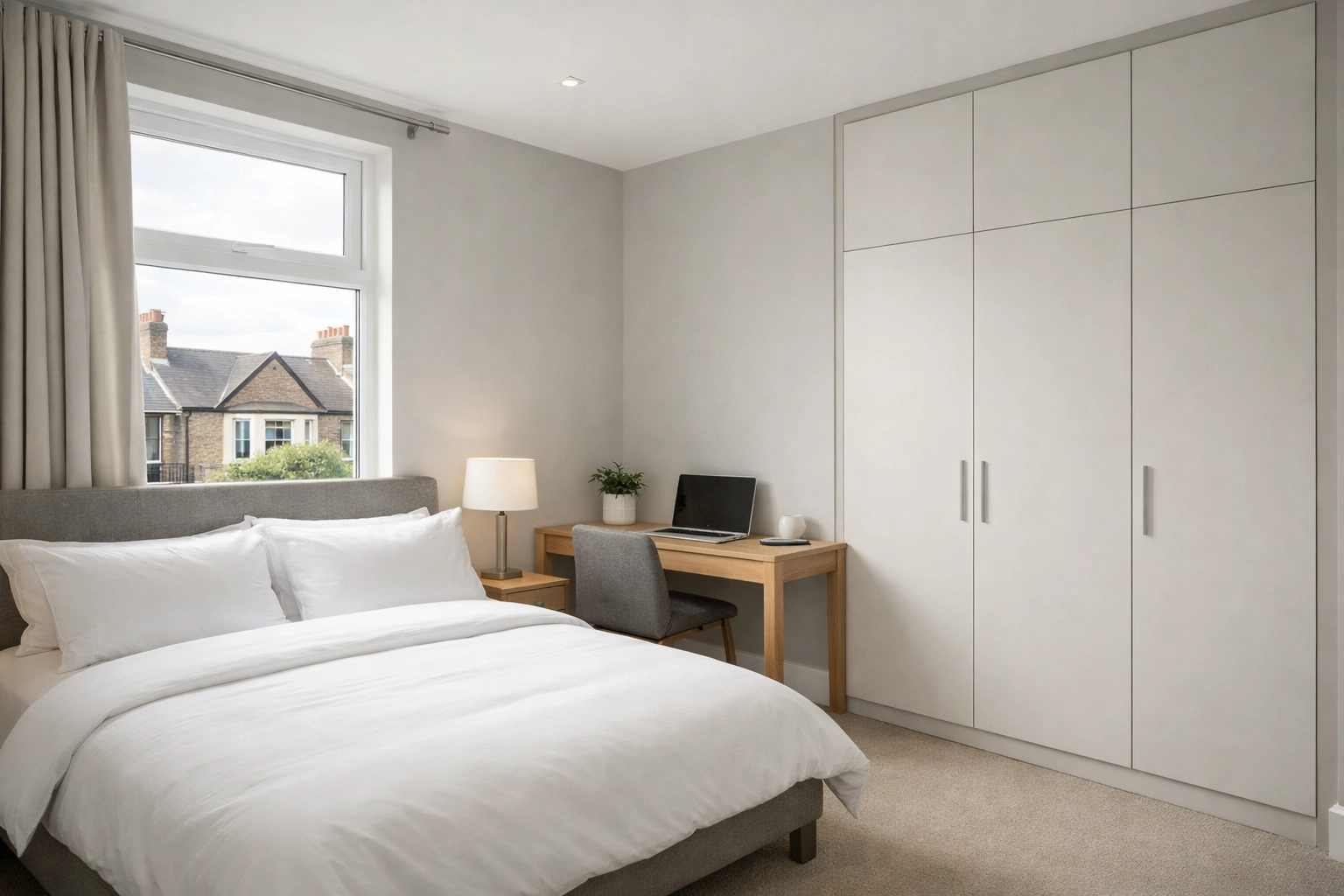
Space utilization becomes critical when rental yield depends on bedroom count. Converting every possible area into sleeping quarters maximizes theoretical income. However, this approach often backfires. Tenants value communal areas and adequate storage. Properties lacking these features experience higher turnover and longer void periods that erode annual returns.
The Private-Communal Balance
Successful HMO architects understand that bedroom quantity matters less than overall layout quality. The most profitable designs create distinct zones that separate private living from shared spaces.
Private bedrooms require enough floor area for a bed, desk, and storage without feeling cramped. London HMO licensing typically mandates minimum room sizes of 6.51 square metres for single occupancy and 10.22 square metres for double occupancy. Meeting these minimums isn't enough. Rooms that barely satisfy regulations feel restrictive and limit tenant appeal.
Communal spaces deserve equal attention. A kitchen sized for actual cooking: not just reheating meals: becomes a daily selling point. Living areas that accommodate all residents simultaneously foster the community atmosphere that keeps tenants renewing leases. These shared zones shouldn't feel like afterthoughts squeezed into leftover space.
High-Impact Amenities That Justify Premium Rates
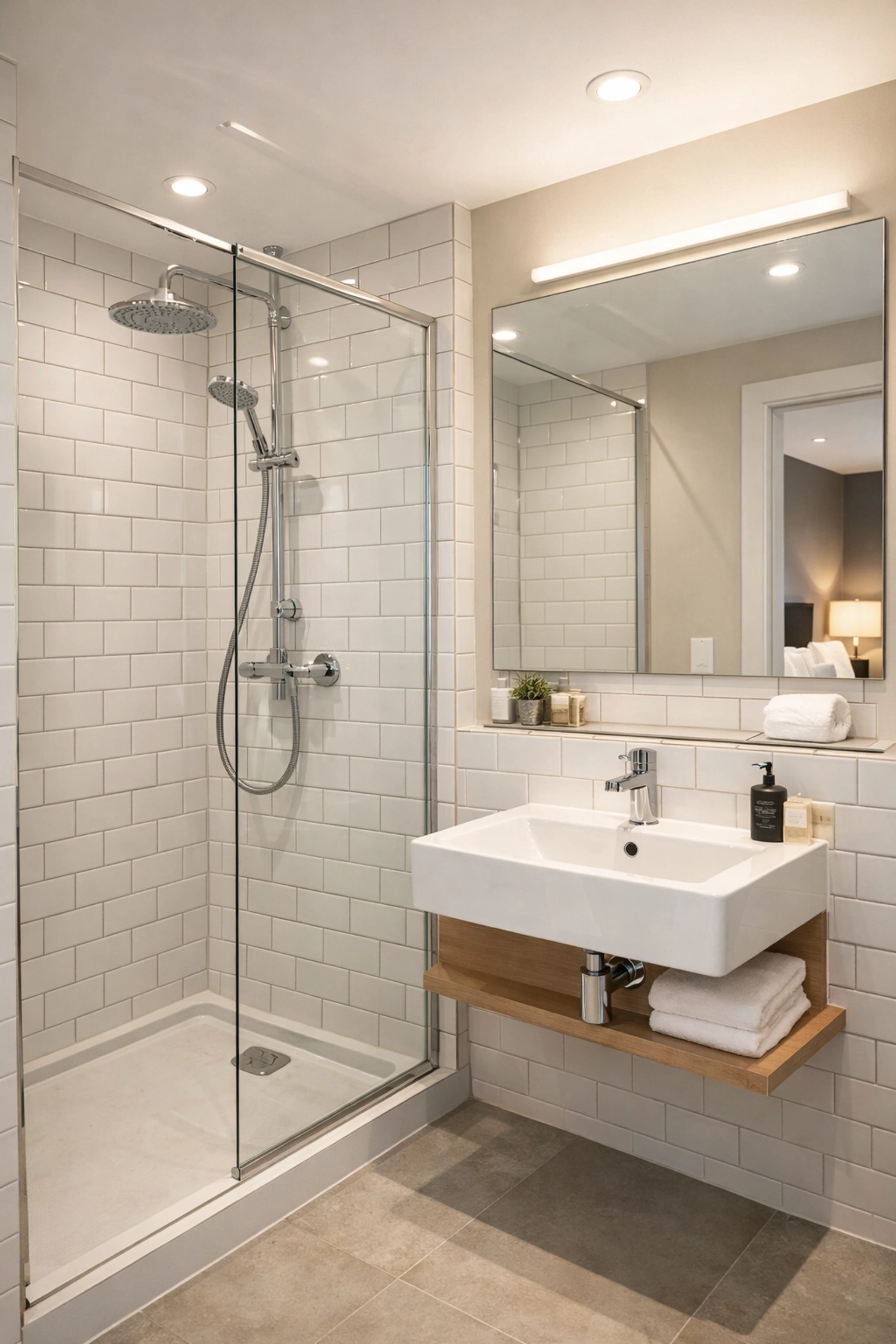
En-suite facilities transform rental pricing structures. Bedrooms with private bathrooms command significantly higher rates than those with shared facilities. The investment in additional plumbing and space allocation typically pays for itself within 18-24 months through increased rental income and reduced void periods.
Study spaces and work areas reflect current market demands. Remote work arrangements mean tenants need functional workspace beyond their bedrooms. Properties offering dedicated study areas or communal workspaces appeal to professional tenants who represent stable, long-term occupancy.
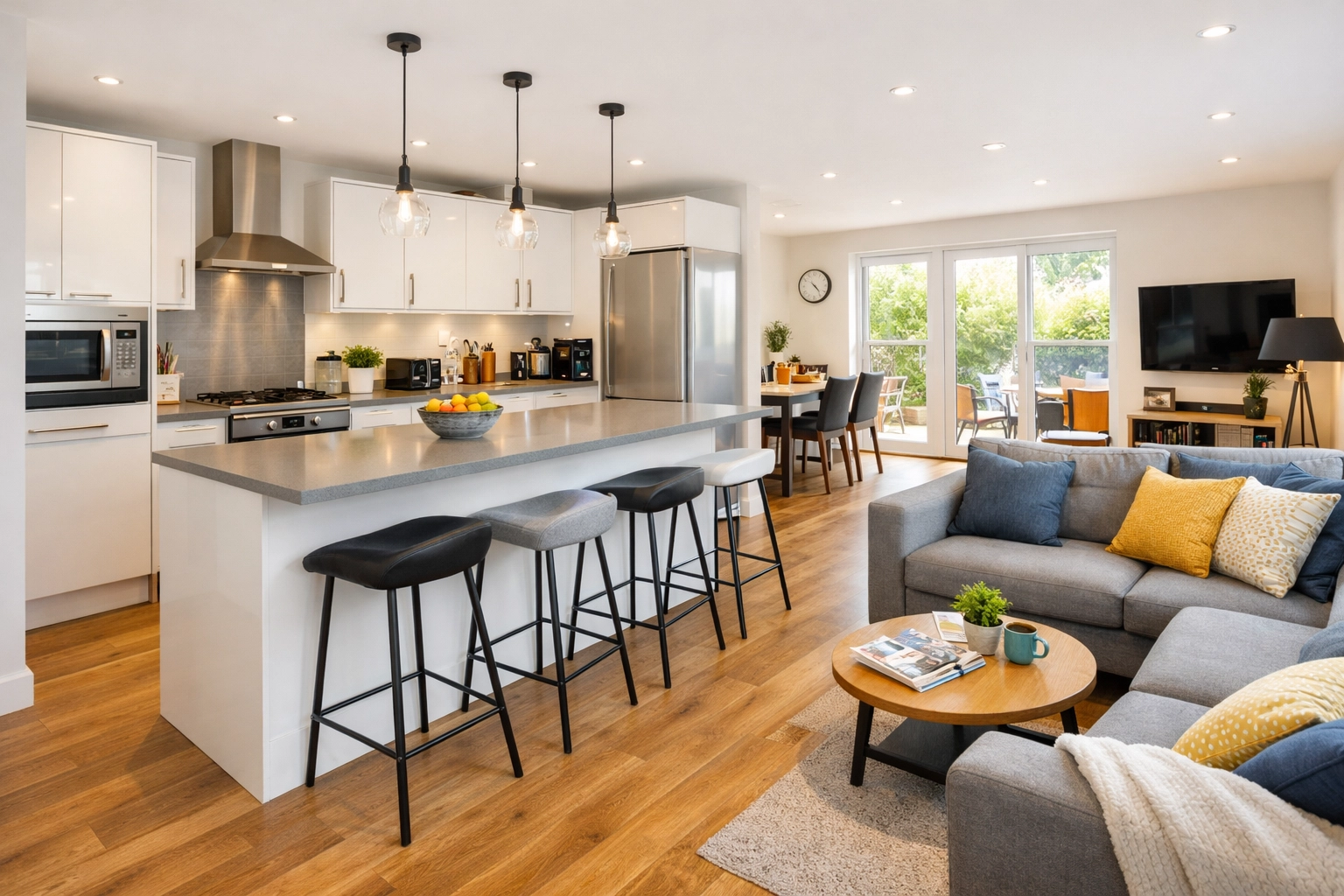
Technology infrastructure isn't optional in modern HMOs. High-speed internet access ranks among the top tenant priorities across all demographic groups. Properties lacking adequate connectivity struggle to compete regardless of other amenities. Smart home features like programmable heating and secure entry systems add appeal without ongoing maintenance burdens.
Storage solutions often get overlooked in initial designs. Tenants accumulate belongings over time. Properties without adequate storage create cluttered common areas and tenant dissatisfaction. Built-in wardrobes, under-stairs storage, and dedicated bicycle areas address practical needs that influence lease renewals.
Licensing and Compliance Considerations
London boroughs enforce varying HMO licensing schemes beyond the mandatory national requirements. Some areas require licenses for properties with any number of shared tenants. Others maintain additional standards for selective licensing zones covering specific postcodes.
Planning permission sometimes becomes necessary when converting single dwellings into HMOs. Change of use applications depend on property classification and local authority policies. Some conversions require full planning consent. Others fall under permitted development rights. The distinction affects project timelines and feasibility.
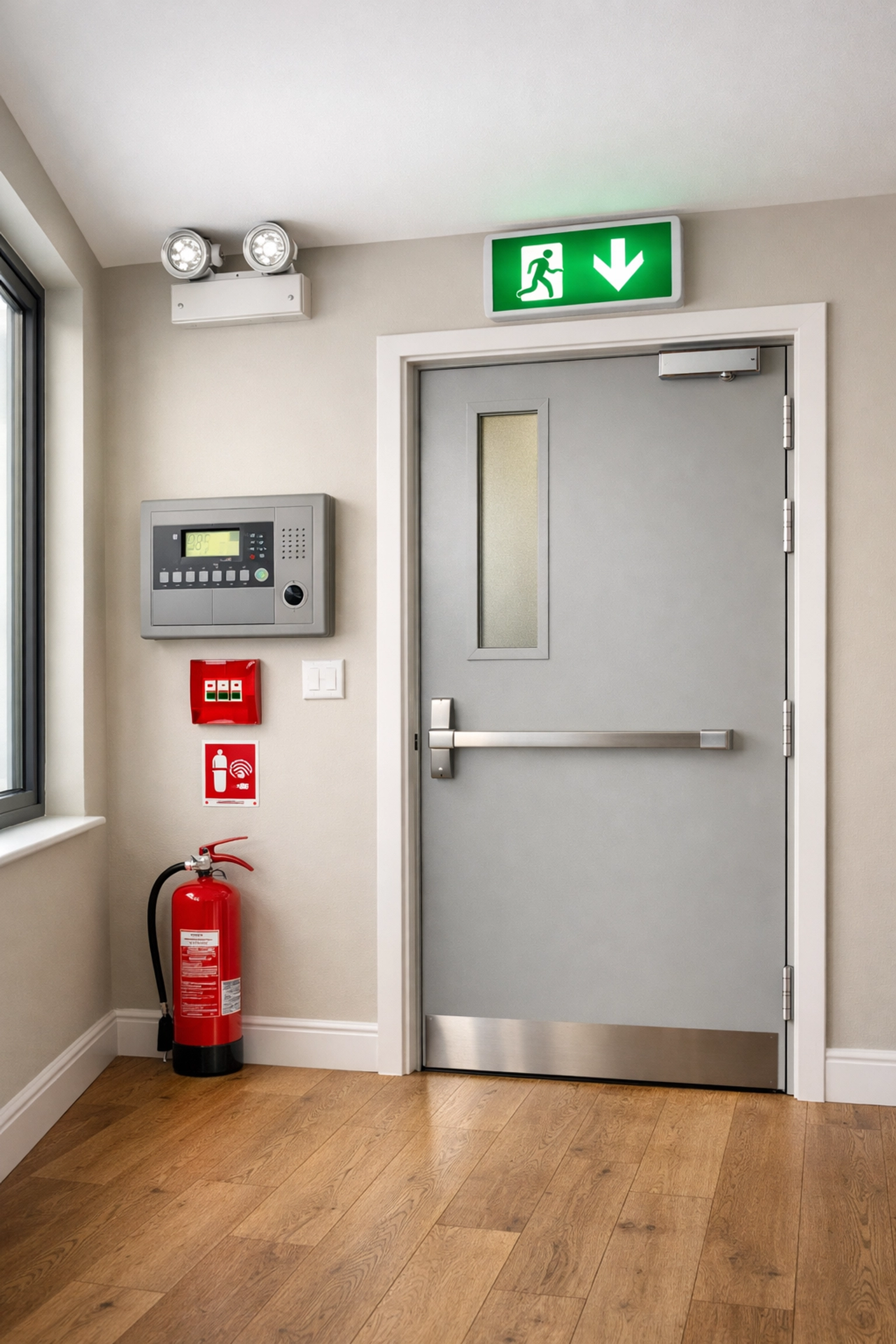
Building Regulations govern structural alterations, fire safety installations, and accessibility requirements. HMO conversions typically require:
Fire detection and alarm systems meeting current standards
Emergency lighting in circulation spaces
Fire doors with appropriate ratings for escape routes
Adequate means of escape from upper floors
Sound insulation between separate occupancies
Compliance costs form a substantial portion of conversion budgets. Fire safety installations alone can exceed £15,000 for comprehensive systems in larger properties. These expenses aren't negotiable: they represent baseline requirements for legal operation.
Working with HMO Architects
Specialist HMO architects bring knowledge that general practitioners often lack. They understand how local licensing requirements affect design options. They recognize which layout choices maximize rental yield while satisfying regulatory standards.
The design process should begin with thorough site analysis and target tenant identification. Properties near universities demand different configurations than those targeting young professionals. Student HMOs benefit from additional communal space and study areas. Professional HMOs justify higher specifications in kitchens and bathrooms.
Experienced HMO architects coordinate with building control officers and licensing teams during planning stages. This early engagement identifies potential obstacles before construction begins. It prevents expensive mid-project revisions when initial designs fail to meet approval standards.
Cost management becomes crucial when conversion budgets directly affect return on investment calculations. Architects familiar with HMO economics help clients prioritize spending on elements that enhance rental income versus cosmetic features with limited financial impact.
Practical Design Execution
Color schemes influence perceived space and tenant comfort levels. Neutral base colors throughout the property create visual continuity while allowing tenants to personalize their private spaces. Communal areas benefit from warmer tones that encourage social interaction. Bedrooms work better with cooler, calming colors that promote rest.
Lighting design affects both atmosphere and running costs. Natural light through adequate windows makes spaces feel larger and more inviting. LED fixtures reduce electricity consumption while providing better illumination than older technologies. Task lighting in kitchens and study areas addresses specific functional needs.
Furniture specifications matter when properties come furnished. Built-in solutions maximize usable floor space compared to freestanding furniture. Beds with integrated storage address the chronic storage deficit in many HMO conversions. Durable materials withstand the wear patterns of multiple tenants over time.
Energy efficiency improvements reduce running costs while appealing to environmentally conscious tenants. Modern boilers, improved insulation, and efficient appliances lower utility bills. Properties with lower energy costs can charge slightly higher rents while still offering tenants better overall value.
Space Planning for Long-Term Success
Accurate measurements form the foundation of effective HMO design. Room dimensions determine furniture placement options and occupancy classifications. A few centimeters can mean the difference between a compliant bedroom and a space that fails licensing inspections.
Traffic flow through the property deserves careful consideration. Narrow hallways create bottlenecks and friction between residents. Adequate circulation space prevents the cramped feeling that drives tenant turnover. Entrance areas need space for multiple occupants' coats and shoes without creating cluttered first impressions.
The kitchen often determines overall property functionality. Counter space, storage, and appliances must accommodate multiple users preparing meals simultaneously. A kitchen designed for two people cooking together frustrates a household of five tenants. This friction translates directly into reduced lease renewals and higher management costs.
The Financial Reality
HMO conversions require substantial upfront investment beyond standard refurbishment costs. London properties typically need £30,000-£60,000 in conversion work to meet licensing standards and achieve competitive specifications. This investment must generate sufficient additional rental income to justify the expense and risk.
The calculation depends on sustainable occupancy rates rather than theoretical maximum rents. A property achieving 95% occupancy at slightly below-market rates outperforms one sitting vacant 20% of the year while charging premium prices. Design quality directly influences these occupancy patterns.
Working with experienced HMO architects adds professional fees to project costs. However, this expertise typically saves money through efficient space planning, regulatory compliance, and avoiding expensive design revisions. The fee investment pays dividends through faster licensing approval and optimized rental yields from day one of operation.

