.png)

_edited.png)
The Ultimate Guide to Structural Engineering for London Extensions: Everything You Need for Building Control Approval
- Feb 12
- 5 min read
Structural engineering is the foundation of every successful London extension. Without it, Building Control won't approve your project.
Most homeowners assume architectural drawings are enough to start building. They're not. Local authorities demand detailed structural calculations, precise load-bearing assessments, and comprehensive engineering drawings before a single brick can be laid. This guide breaks down exactly what you need to navigate Building Control approval and why structural engineering expertise is non-negotiable for London properties.
Why Structural Engineers Are Essential for London Extensions
London properties present challenges that don't exist elsewhere. Victorian terraces with century-old brickwork. Edwardian semis sharing party walls with neighbors. Post-war builds with foundations that barely meet modern standards.

A structural engineer ensures your extension won't compromise existing structures. When removing a load-bearing wall to create an open-plan kitchen, they calculate the exact steel beam specifications required to support the floors above. When adding a loft conversion, they assess whether your current foundations can handle the additional weight.
Conservation areas in parts of Croydon and Bexleyheath add another layer of complexity. These zones require structural solutions that preserve historical character while meeting contemporary safety standards. Without specialized engineering knowledge, applications get rejected before construction even begins.
The Structural Engineering Process: What Actually Happens
Initial Consultation and Site Assessment
The process starts with a thorough property evaluation. Engineers review your architectural plans and inspect the existing structure: foundations, walls, roof timbers, and load paths. This assessment is particularly critical in areas like Central London, where properties have been modified repeatedly over decades.
During this phase, engineers identify potential issues before they become expensive problems. Subsidence concerns. Inadequate foundations. Hidden structural alterations from previous owners. These discoveries inform the design approach and help avoid costly mid-construction surprises.
Measured Building Survey
Accurate measurements are the backbone of successful structural design. A measured building survey provides millimeter-precise dimensions of your property and site boundaries. These measurements ensure structural calculations reflect reality, not approximations.
Without precise survey data, plans contain errors that cause builder disputes and construction delays. Walls end up in the wrong positions. Steel beams don't fit. Building Control inspectors flag discrepancies. The survey eliminates these risks before construction begins.
Structural Calculations: The Technical Foundation
This is where engineering expertise becomes tangible. Structural engineers produce detailed calculations that determine material specifications for every load-bearing element in your extension. Beam sizes. Foundation depths. Wall thicknesses. Connection details.
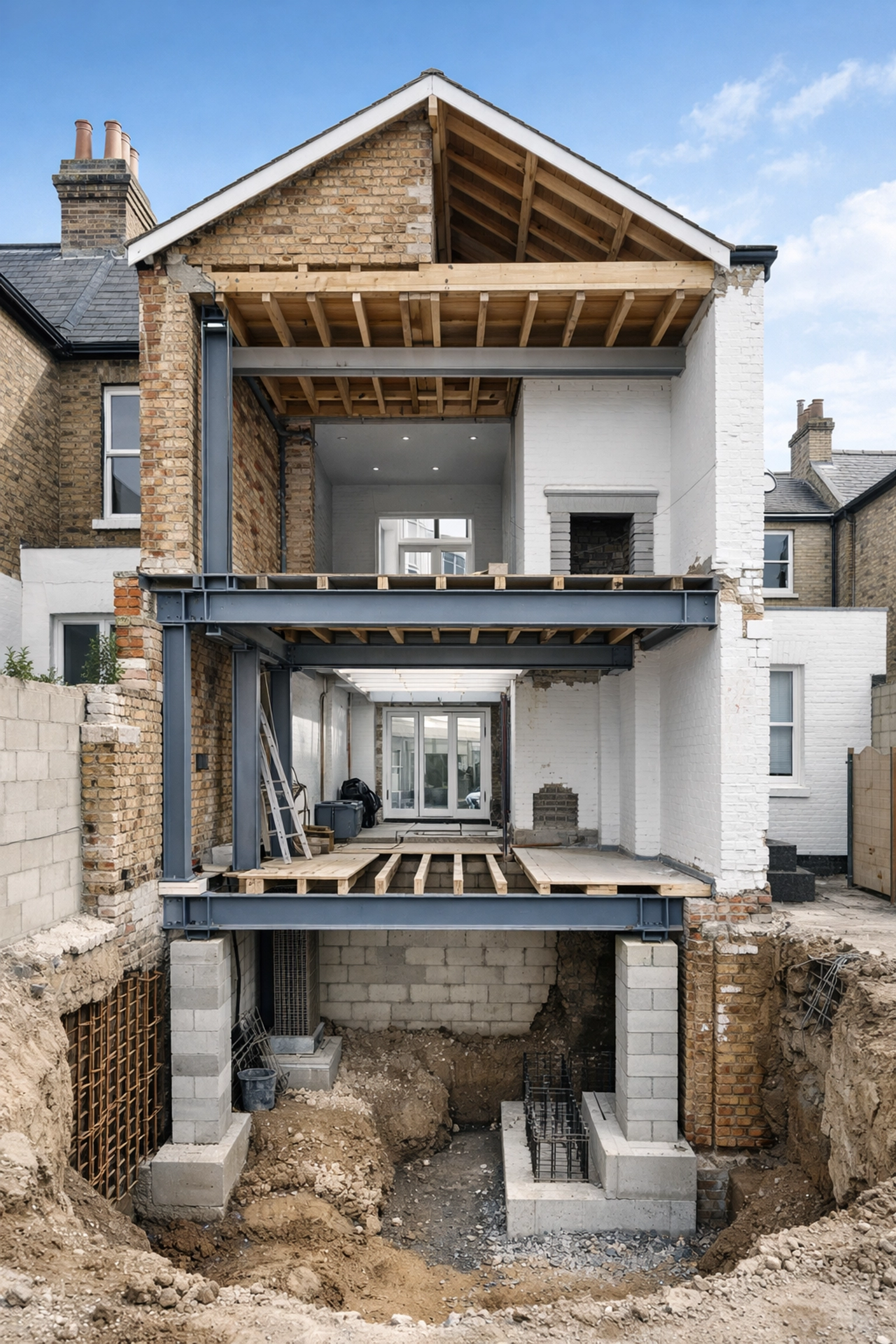
For a typical rear extension in Bexleyheath, calculations might specify a 254x146mm steel RSJ to support the existing structure above where a wall has been removed. For a loft conversion in Croydon, calculations determine whether existing foundations require reinforcement to handle the additional load.
These calculations aren't estimates: they're precise mathematical models that account for dead loads, live loads, wind forces, and safety factors. Building Control authorities scrutinize them carefully. Any errors or omissions result in application rejection.
Detailed Structural Drawings
Engineers translate calculations into comprehensive drawings that builders can actually use. These drawings show steel beam positions, foundation details, connection methods, and reinforcement requirements. They complement architectural designs by adding the structural layer that makes construction possible.
In London's space-constrained environments, these drawings often feature innovative solutions that maximize usable area without compromising safety. Cantilever designs. Slim-profile steel beams. Optimized foundation systems. Each detail is calculated and documented.
Building Control Approval: The Regulatory Gateway
Building Control approval is separate from planning permission. Planning focuses on aesthetics and neighborhood impact. Building Control ensures your extension is structurally sound, thermally efficient, and safe for occupants.

Your structural engineer submits detailed calculations and drawings as part of the Building Control application. This documentation must demonstrate compliance with Part A of the Building Regulations, which governs structural safety. Inspectors examine foundation designs, load-bearing capacity, and structural connections.
Throughout construction, Building Control officers conduct site inspections at critical stages. Foundation excavation. Steel beam installation. Roof structure completion. These inspections verify that work matches approved drawings. Any deviations require engineering revisions and re-approval.
The structural engineer's role doesn't end at approval. They provide clarifications during construction, address inspector queries, and certify that completed work meets design specifications. This ongoing involvement is crucial in London, where building regulations enforcement is particularly strict.
London-Specific Structural Challenges
Historic properties dominate London's housing stock. Croydon's Victorian terraces. Bexleyheath's Edwardian semis. These buildings weren't designed for modern extensions. Original brickwork often lacks the strength to support additional floors. Foundations sit on London clay, which is prone to movement.
Party wall considerations add complexity in densely packed neighborhoods. Structural work affecting shared walls requires careful engineering to prevent damage to adjoining properties. Calculations must account for loads transferred through party structures and potential settlement issues.
Conservation areas impose additional constraints. Structural solutions must achieve modern performance standards while preserving historical fabric. This often requires innovative engineering approaches that aren't necessary in newer developments.
Space optimization presents its own challenges. London properties have limited footprints. Structural engineers must design extensions that maximize usable area while maintaining adequate structural support. Every square meter counts, but safety remains paramount.
The Shorplans Advantage: Integrated Architecture and Engineering
With over 20 years of experience across London and Surrey, Shorplans coordinates architecture and structural engineering in-house. This integration eliminates the communication gaps that plague projects using separate firms.
When architects and engineers work under the same roof, designs evolve collaboratively from day one. Structural considerations inform architectural decisions immediately. Engineering solutions enhance rather than constrain design vision. The result is projects that are both aesthetically compelling and structurally sound.
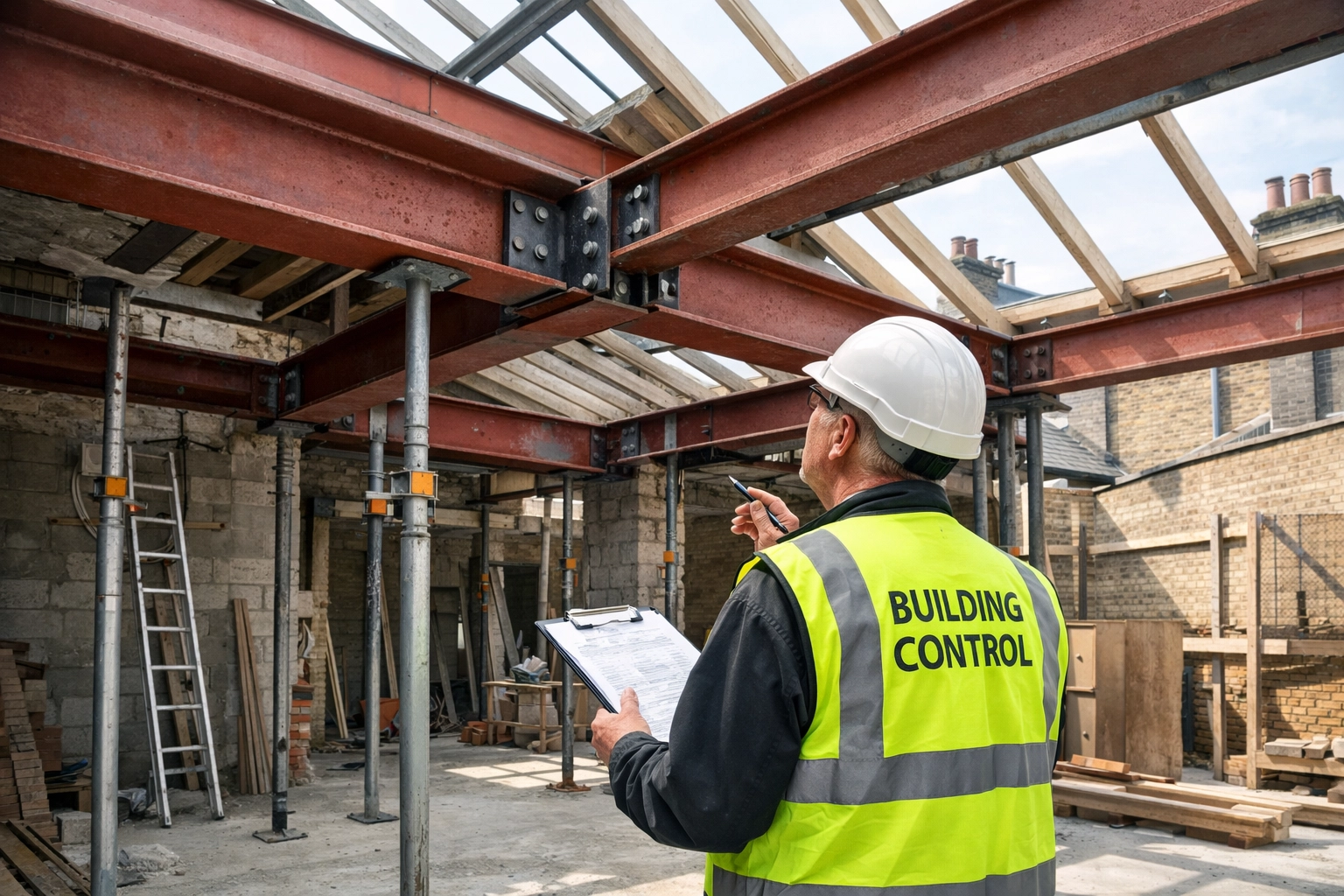
This approach proves particularly valuable for complex projects. Loft conversions requiring foundation assessment. HMO developments needing structural modifications across multiple units. Commercial extensions demanding specialized load calculations. In-house coordination ensures these projects progress smoothly from concept through Building Control approval to completion.
For homeowners concerned about structural engineer loft conversion costs, integrated services often prove more economical than hiring separate consultants. Single-point accountability reduces errors, eliminates duplication, and accelerates approvals.
Local Considerations: Croydon, Bexleyheath, and Surrey
Each London borough and Surrey district has distinct characteristics that affect structural engineering requirements. Croydon's building control department, for instance, pays particular attention to foundation designs in areas with known clay subsidence risks. Local knowledge about these soil conditions informs engineering approaches from the outset.
Bexleyheath properties often feature cavity wall construction from the 1930s-1950s. Structural engineers familiar with these building types understand how to assess existing wall capacity and design appropriate interventions. Generic approaches don't account for local building traditions.
Surrey presents different challenges: larger plots, but stricter conservation requirements in villages and historic towns. Structural solutions must balance modern performance with sensitivity to local building character. Engineers experienced in Surrey planning nuances navigate these requirements more effectively.
Key Takeaways for Your Extension Project
Structural engineering isn't optional paperwork: it's the technical foundation that makes your extension possible. Building Control approval depends on comprehensive calculations and drawings that demonstrate structural safety beyond doubt.
London properties present unique challenges that require specialized engineering expertise. Historic construction, party walls, conservation requirements, and space constraints all demand sophisticated structural solutions.
Working with a firm that integrates architecture and structural engineering streamlines the approval process and reduces project risks. When both disciplines collaborate from the start, designs emerge that satisfy aesthetic ambitions while meeting stringent Building Control standards.
Whether you're planning a rear extension, loft conversion, or HMO development in Croydon, Bexleyheath, or anywhere across London and Surrey, professional structural engineering is your path to Building Control approval and a successful project outcome.

