.png)

_edited.png)
The Ultimate Guide to Structural Engineer Loft Conversion Cost: Everything You Need to Succeed
- Feb 16
- 5 min read
Structural engineers hold the keys to a successful loft conversion. Their expertise ensures your new space doesn't just look good: it stands safely for decades.
The investment in structural engineering typically ranges from £750 to £2,200 for most residential loft conversions in London and the surrounding areas. This figure represents far more than a line item on your budget. It's the foundation of a project that adds substantial value to your property while meeting stringent building regulations.
What Structural Engineers Actually Do
Structural engineers assess your home's existing framework before a single beam gets moved. They calculate load-bearing capacities, design steel supports, and specify the exact modifications needed to transform your attic into habitable space.
This assessment covers floor joists, roof structure, and how the new loft will distribute weight throughout your home. Engineers create detailed calculations that building control officers scrutinize during the approval process. Without these calculations, your project cannot proceed legally.
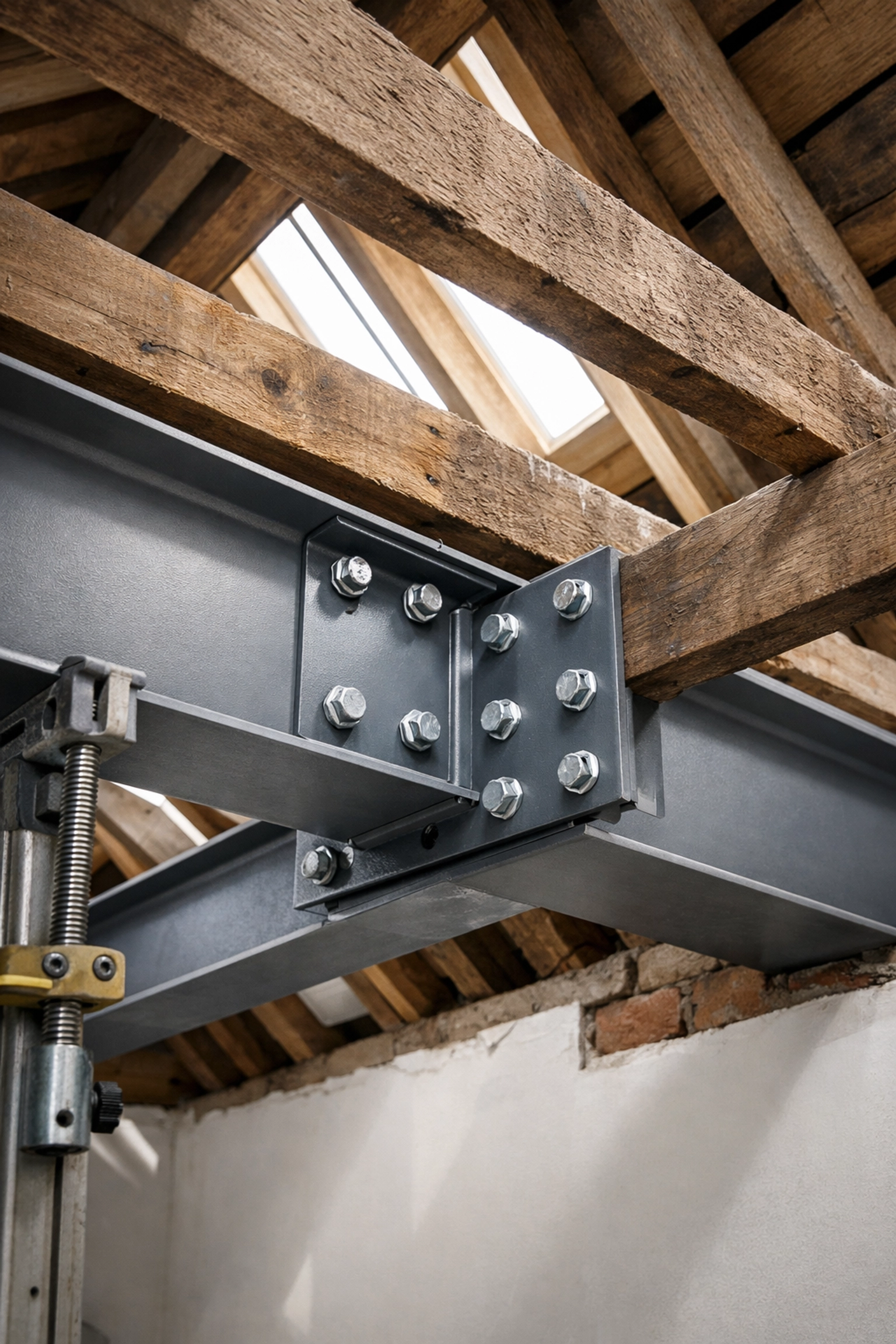
The complexity of this work varies dramatically based on your property type and conversion style. Victorian terraces in Croydon often require different approaches than 1960s semi-detached homes in Bexleyheath. Age, construction method, and existing structural modifications all influence the engineering requirements.
Breaking Down the Cost Structure
Professional fees for loft conversions extend beyond the structural engineer. The complete picture includes several interconnected services that work together.
Architectural design typically ranges from £500 to £1,500 when bundled with structural engineering services. Separate planning permission applications cost £230 to £250, though many loft conversions qualify as permitted development. Building regulations approval adds another £250 to £350 to your budget.
For complex projects: mansard conversions or properties with existing structural concerns: engineering fees can climb significantly higher. Projects requiring extensive calculations, multiple site visits, or specialized solutions may approach £10,000 in engineering costs alone.
The structural engineer loft conversion cost makes more sense when viewed against total project expenditure. A 30-square-meter loft conversion typically costs between £27,500 and £75,000 depending on the conversion type. Engineers' fees represent roughly 1-8% of this total: a relatively modest percentage for such critical expertise.
Why This Investment Pays Off
Cutting corners on structural engineering creates expensive problems down the line. Building control will reject applications without proper calculations. Insurance companies may refuse to cover improperly engineered conversions. Most critically, structural failures pose genuine safety risks.
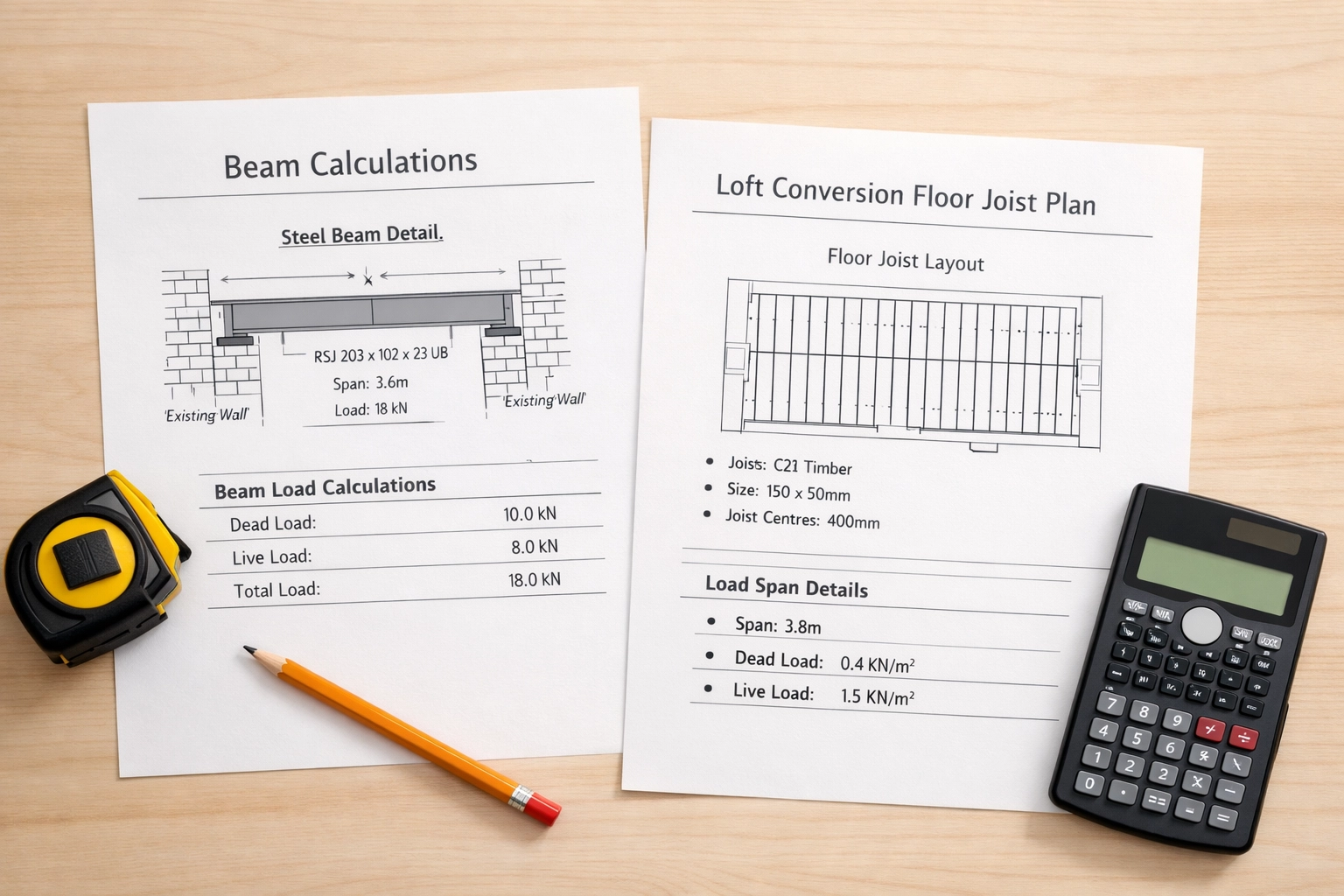
A qualified structural engineer prevents these scenarios before they develop. Their specifications ensure steel beams carry adequate loads, floor joists meet modern standards, and your new staircase integration doesn't compromise existing structure. This expertise proves particularly valuable in London's diverse housing stock, where properties span centuries of construction techniques.
The loft conversion cost in London already runs higher than most UK regions due to labor rates and material logistics. Investing in proper engineering from the start prevents the far greater expense of remedial work. Projects that skip this step often face enforcement notices, expensive retrofits, or complete rebuilding of incorrectly installed structural elements.
The Shorplans Advantage: In-House Coordination
Traditional loft conversions involve coordinating between separate architects, structural engineers, and contractors. This fragmented approach creates communication gaps, timeline delays, and cost overruns.
Shorplans eliminates these friction points through integrated architectural and structural engineering services. When your architect and structural engineer work from the same office: better yet, collaborate daily: your project flows smoothly from concept through completion.
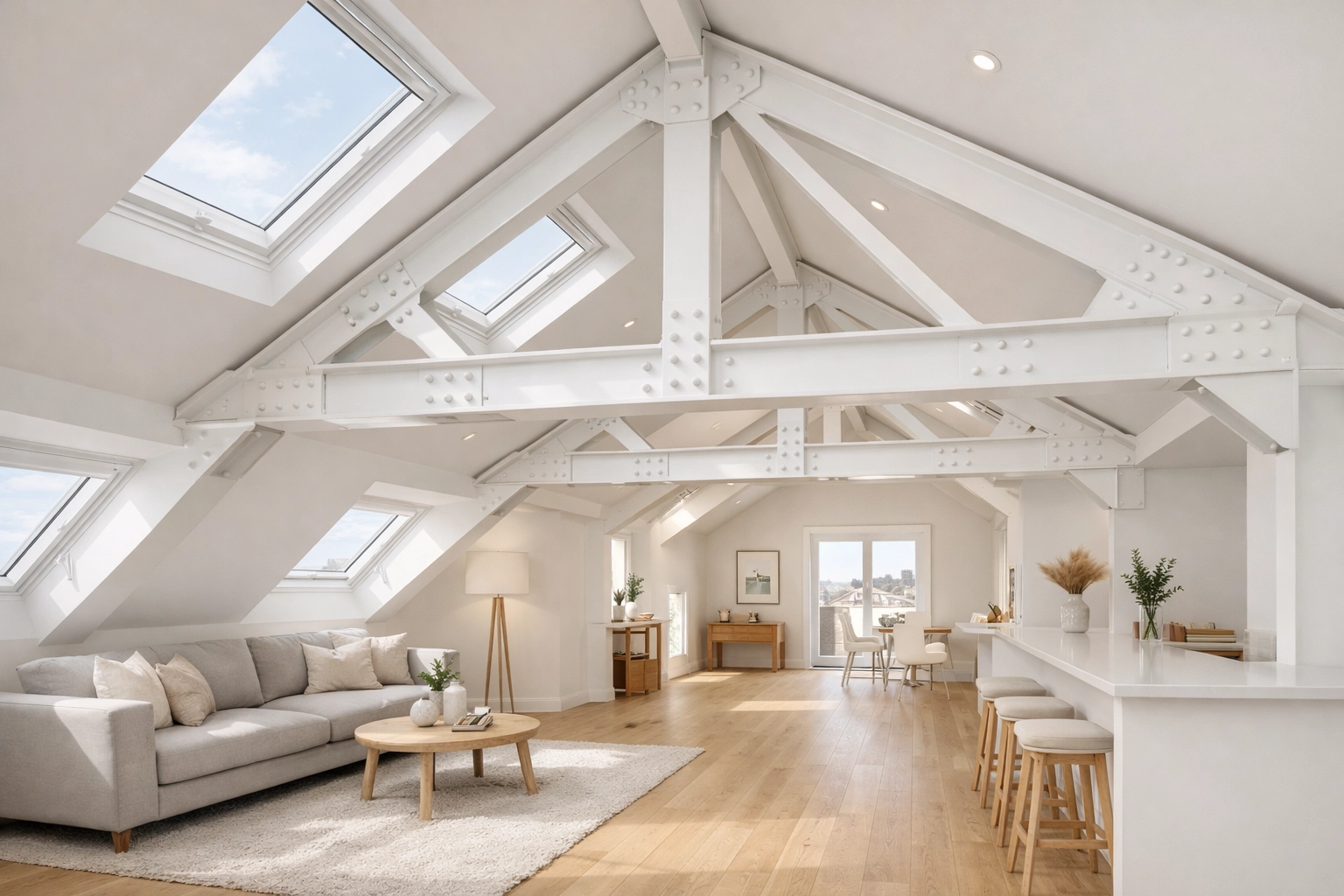
This coordination matters most during the design phase. Architectural vision must align with structural reality. An architect designing without real-time engineering input may create beautiful spaces that prove impossible or prohibitively expensive to build. Our in-house model catches these conflicts before they reach your quote.
With over 20 years operating across London, Surrey, and Kent, we've engineered hundreds of loft conversions. This experience base means we anticipate issues specific to your area's housing stock. Properties in Croydon's Victorian neighborhoods present different challenges than Bexleyheath's inter-war construction or Surrey's newer developments.
Location-Specific Considerations
London loft conversion costs reflect the capital's unique challenges. Party wall agreements add complexity for terraced and semi-detached properties. Height restrictions in certain boroughs limit conversion types. Access constraints in densely built areas affect material delivery and labor logistics.
Croydon's diverse housing stock: from Victorian terraces near East Croydon station to mid-century estates further south: requires adaptable engineering approaches. Local building control in Croydon maintains specific requirements for fire safety and means of escape that influence structural design.
Bexleyheath properties often feature solid construction from the 1930s and 1950s. These homes typically offer robust existing structures but may require upgrading to meet current thermal efficiency standards alongside structural modifications.
Surrey locations generally provide more space for external access and material staging. However, properties in conservation areas face additional planning constraints that affect engineering options. Our local knowledge helps navigate these varying requirements efficiently.
Budgeting for Your Structural Engineer
Request itemized quotes that separate engineering consultation from ongoing project support. Initial consultation typically covers site assessment, feasibility review, and preliminary calculations. Detailed design work, building control submissions, and site inspections may carry separate fees.
Ask whether quotes include revisions if design changes occur during planning. Clarify how many site visits the fee covers and whether building control liaison is included. Understanding these details upfront prevents surprise charges mid-project.
Compare quotes based on scope, not just price. The cheapest structural engineer may not provide the thorough documentation that building control expects. Conversely, the most expensive quote doesn't guarantee the best service. Look for engineers with demonstrable loft conversion experience in your property type and location.
Different Conversion Types, Different Engineering Needs
Velux conversions represent the simplest structural intervention. Engineers focus primarily on roof window installations and potentially reinforcing roof timbers. These projects sit at the lower end of the engineering cost spectrum.
Dormer additions require more extensive calculations. New roof structures, front or rear dormers, and associated load calculations demand detailed engineering input. The structural engineer evaluates how new dormer weight distributes through existing walls.
Hip-to-gable conversions involve removing existing roof structure and replacing it with gable ends. This transformation requires comprehensive structural design for new walls, roof ties, and load distribution. Engineering fees reflect this increased complexity.
Mansard conversions represent the most structurally intensive option. Near-vertical roof faces, altered roof pitch, and significantly increased floor space all demand extensive engineering work. These projects justify the higher end of structural engineering costs due to their complexity and the calculations required.
Building Regulations and Engineering Documentation
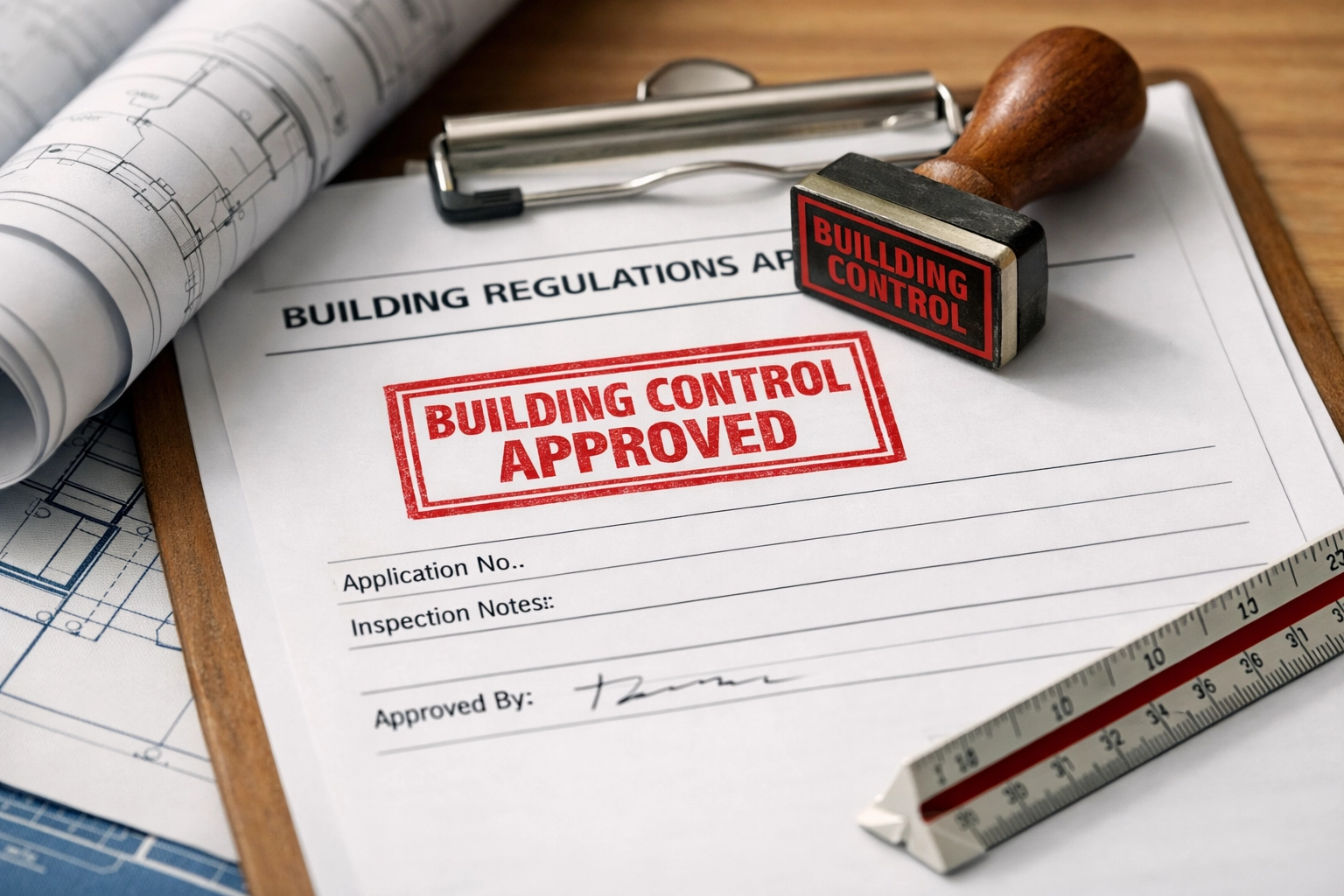
Building control approval hinges on adequate structural calculations. Officers scrutinize beam sizes, joist spacing, connection details, and load paths. Incomplete or inadequate documentation causes approval delays that extend project timelines.
Experienced structural engineers understand local building control expectations. They prepare documentation in formats officers expect and anticipate common queries. This familiarity accelerates the approval process and reduces back-and-forth revisions.
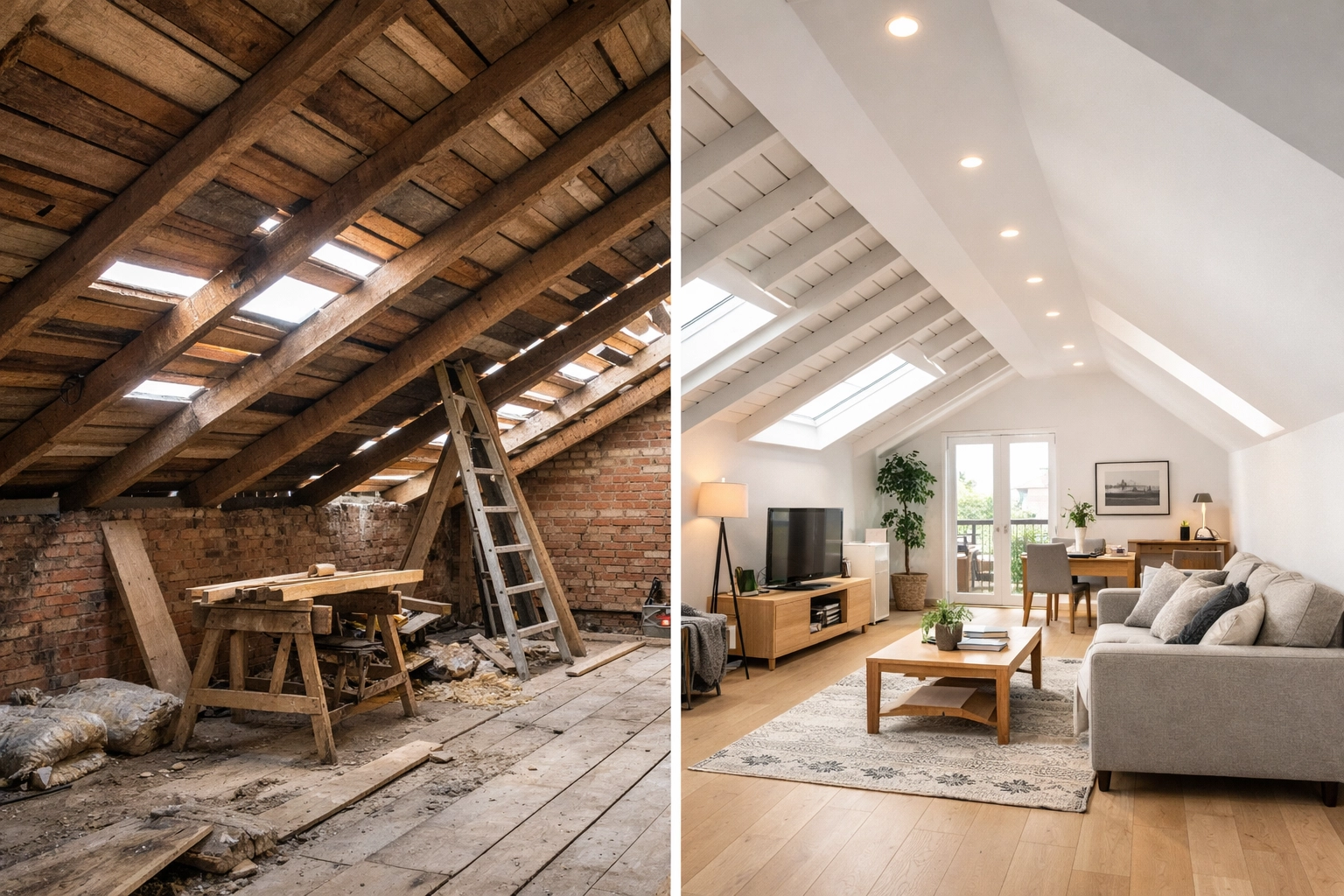
Our integrated approach means architectural drawings and structural calculations develop simultaneously. Building control receives comprehensive, coordinated submissions that demonstrate both design intent and structural integrity. This coordination significantly reduces approval timelines compared to projects with separate consultants.
Making the Investment Work
Structural engineer costs form a crucial component of your loft conversion budget. This investment ensures your project proceeds safely, legally, and efficiently. Proper engineering prevents expensive corrections and provides peace of mind that your new space meets all required standards.
When selecting your structural engineer, prioritize experience with your property type and conversion style. Look for professionals who communicate clearly, provide detailed documentation, and understand local building control expectations. The modest percentage of total project cost allocated to engineering expertise pays dividends throughout construction and for decades afterward.
At Shorplans, our integrated architectural and structural engineering services streamline this process. Twenty years of London experience means we understand the unique challenges your property presents. From initial consultation through building control approval, our in-house coordination keeps your project moving forward smoothly.
Your loft conversion represents a significant investment in your home. Ensuring it's properly engineered from the start protects that investment and creates safe, valuable space for years to come.

