.png)

_edited.png)
The Ultimate Guide to In-House Architecture & Structural Engineering: Everything You Need to Succeed in London
- Feb 14
- 5 min read
In-house architecture and structural engineering integration delivers something outsourced teams rarely achieve: seamless coordination from day one.
When architects and structural engineers operate under the same roof, they share identical project details, aligned objectives, and unified accountability. This article delves into how in-house collaboration transforms London residential and commercial projects: from loft conversions in Croydon to HMO developments across Surrey.
Why In-House Teams Change Everything
Separate architecture and engineering firms create coordination gaps that cost time and money. Drawings get misaligned. Details contradict each other. Site queries multiply because technical parties work from different information.
In-house teams eliminate these inefficiencies entirely. Your architect and structural engineer collaborate from the initial site survey through Building Control submission, working with identical specifications and real-time communication. When a beam calculation affects a window placement, both professionals adjust together: not through email chains spanning days.

The quality assurance advantages run deeper than speed. Firms maintaining their own structural engineering departments ensure all inspections, analysis, and project delivery meet consistent internal standards. Response times to site issues accelerate because your structural engineer understands the architectural vision intimately, having shaped it alongside the design team.
This integrated approach proves particularly valuable across London's diverse boroughs. Whether navigating Bexleyheath's suburban conservation areas or Croydon's evolving commercial landscape, in-house teams bring unified local expertise to planning complexities.
The Structural Engineer's Essential Role
Structural engineers design the structural fabric that makes your architectural vision buildable. Before construction begins, they survey your property's existing structure, then engineer the beams, foundations, walls, and roof systems required to support your project safely.
Their deliverables form the technical backbone of your Building Control submission. You receive comprehensive structural calculations, detailed drawings for contractor implementation, and documentation proving compliance with current Building Regulations across England. Every steel beam specification, foundation depth, and load-bearing wall modification gets calculated, documented, and verified.
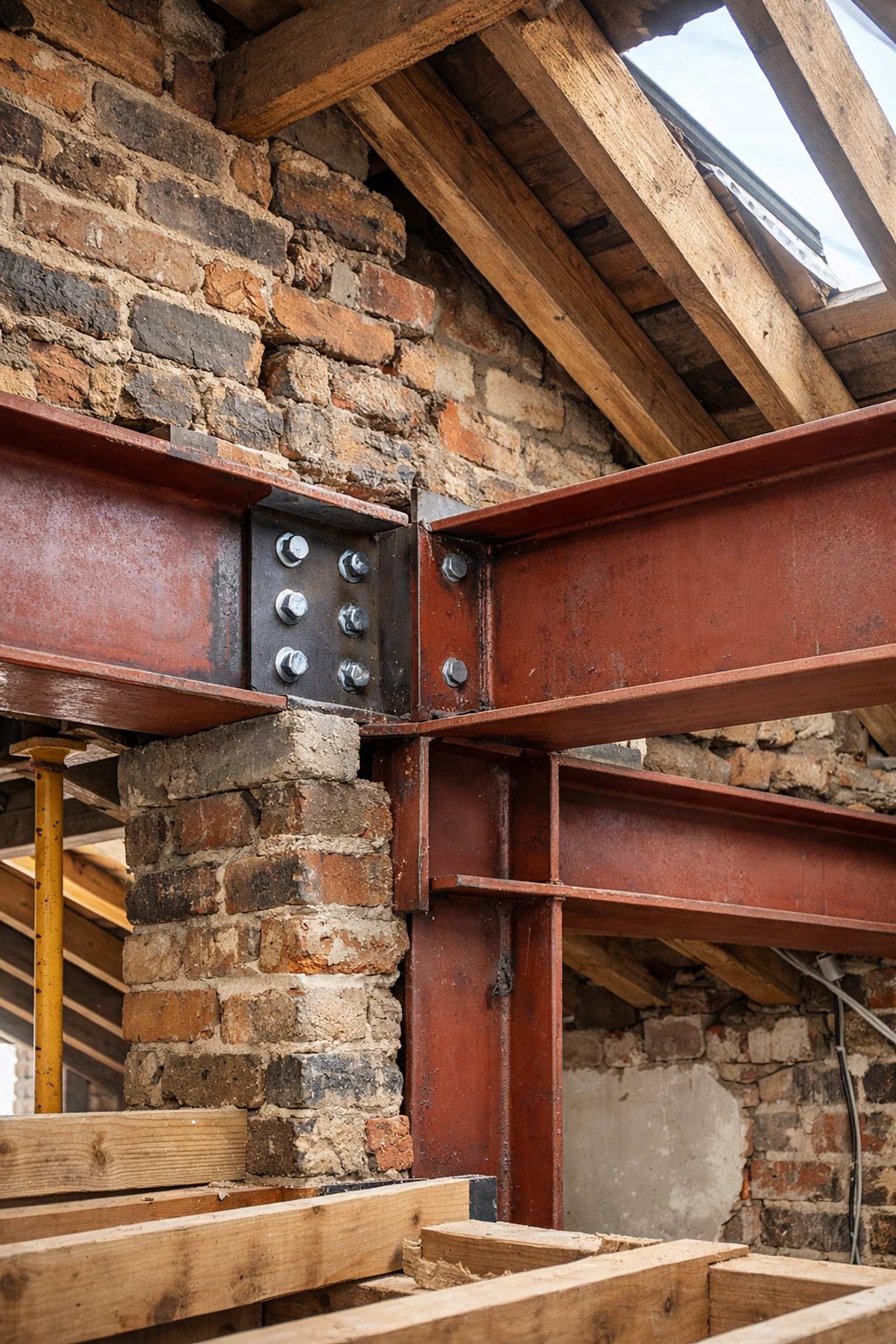
For loft conversions specifically: one of London's most popular residential projects: structural engineers determine whether your existing structure can support additional habitable space. They calculate new floor joist requirements, assess party wall implications, and design any RSJ (Rolled Steel Joist) installations needed to remove load-bearing walls and create open-plan living areas.
When architects and structural engineers collaborate in-house from the outset, this technical work integrates naturally with your spatial design. The structural calculations inform architectural decisions in real-time, rather than arriving weeks later as constraints that force redesigns.
Understanding Costs and Budget Planning
Transparency matters when planning London construction projects. Structural engineer fees typically represent approximately 4% of total construction costs, though established firms often provide fixed-fee arrangements depending on project scale and complexity.
To contextualize structural engineering within your overall budget, professional fees break down as follows: architects command roughly 10% of construction costs, structural engineers 4%, surveyors 3%, with administration adding another 1%. Contractors represent the largest single expense at 30%, followed by materials (20%), glazing (15%), and fittings (5%). VAT applies at the standard 20% rate across most residential work.
For loft conversion cost London searches specifically, structural engineer involvement typically ranges between £1,200 and £3,000 for standard residential projects, with variation depending on structural complexity and whether party wall matters require additional surveys. This structural engineer loft conversion cost covers initial structural surveys, full calculations, construction drawings, and Building Control liaison.
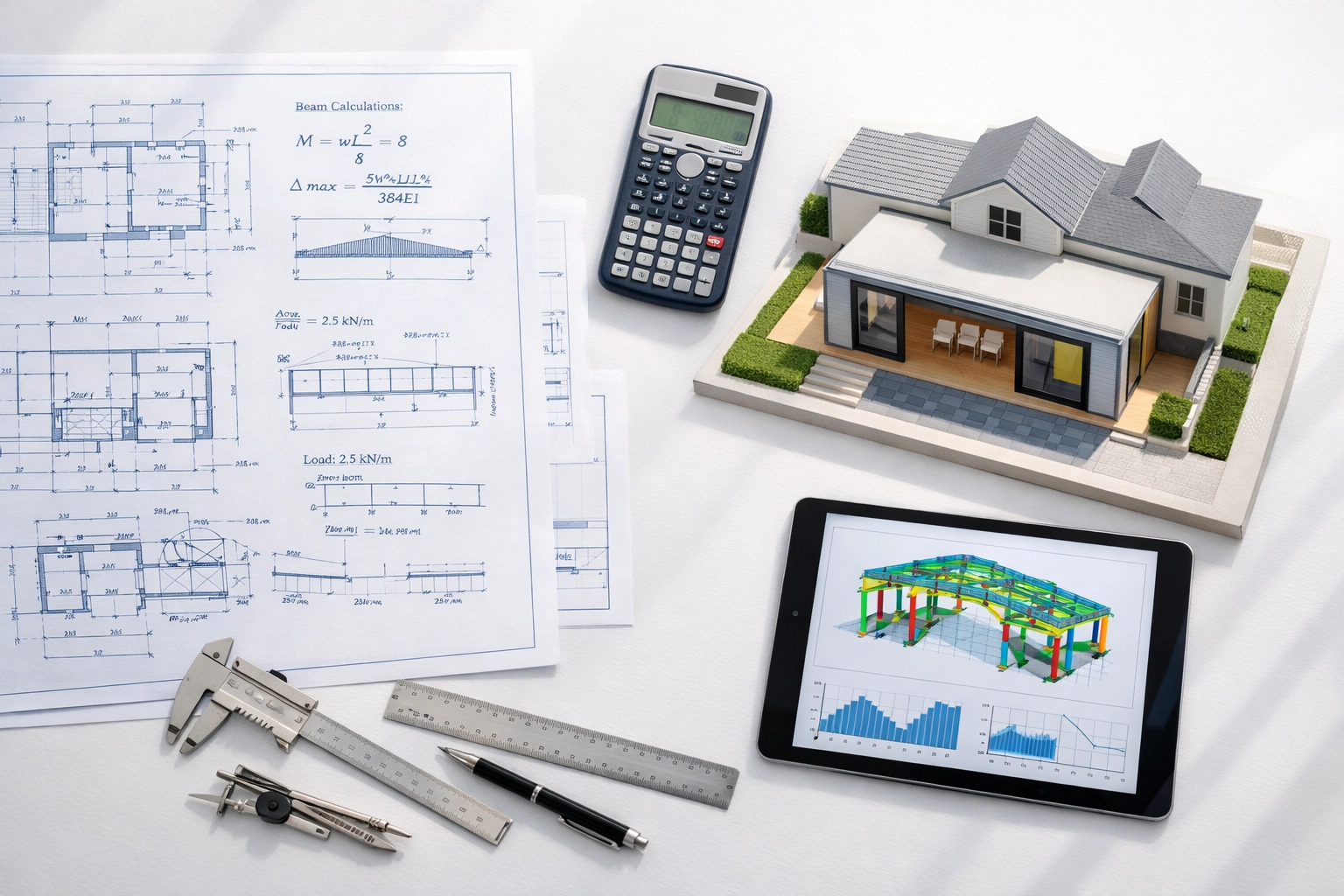
In-house teams often deliver better value than outsourced arrangements because internal structural engineers understand cost optimization from experience across hundreds of projects. They know which steel sections offer the most economical load-bearing solutions. They recognize when timber alternatives can replace steel without compromising structural integrity. This value engineering saves thousands without requiring separate consultant fees.
What Local London Expertise Provides
London's 33 boroughs each present unique planning contexts, building stock characteristics, and construction considerations. In-house teams with deep roots across Surrey, Croydon, and South London bring localized knowledge that shapes project success.
Croydon's architects navigate an evolving commercial landscape where Victorian terraces meet modern mixed-use developments. Understanding how local Planning Officers interpret Croydon Local Plan policies: particularly around residential conversions and HMO applications: requires current experience, not theoretical knowledge. An HMO architect familiar with Croydon's Article 4 directions and licensing requirements designs compliant schemes from the initial concept, avoiding costly revisions.
Bexleyheath presents different challenges. Its suburban character and numerous locally listed buildings demand sensitivity to conservation considerations while maximizing development potential. Architect Bexleyheath specialists understand where modern extensions will gain approval and where traditional materials become non-negotiable.
Across Surrey's diverse settlements: from Guildford's historic core to Woking's commercial precincts: in-house teams bring demonstrated success with local Building Control departments and established relationships with planning consultees.
Choosing the Right Integrated Team
Professional accreditation provides the foundation for structural engineering competence. Ensure your structural engineer holds membership with the Institute of Structural Engineers (IStructE) or the Institute of Civil Engineers (ICE). These professional bodies maintain rigorous standards for technical competence and continuing professional development.
Beyond credentials, examine project portfolios for relevant experience. Residential structural engineers often specialize in particular building typologies: Victorian terrace renovations require different expertise than new-build residential developments or commercial refurbishments. Match their demonstrated experience to your project type.
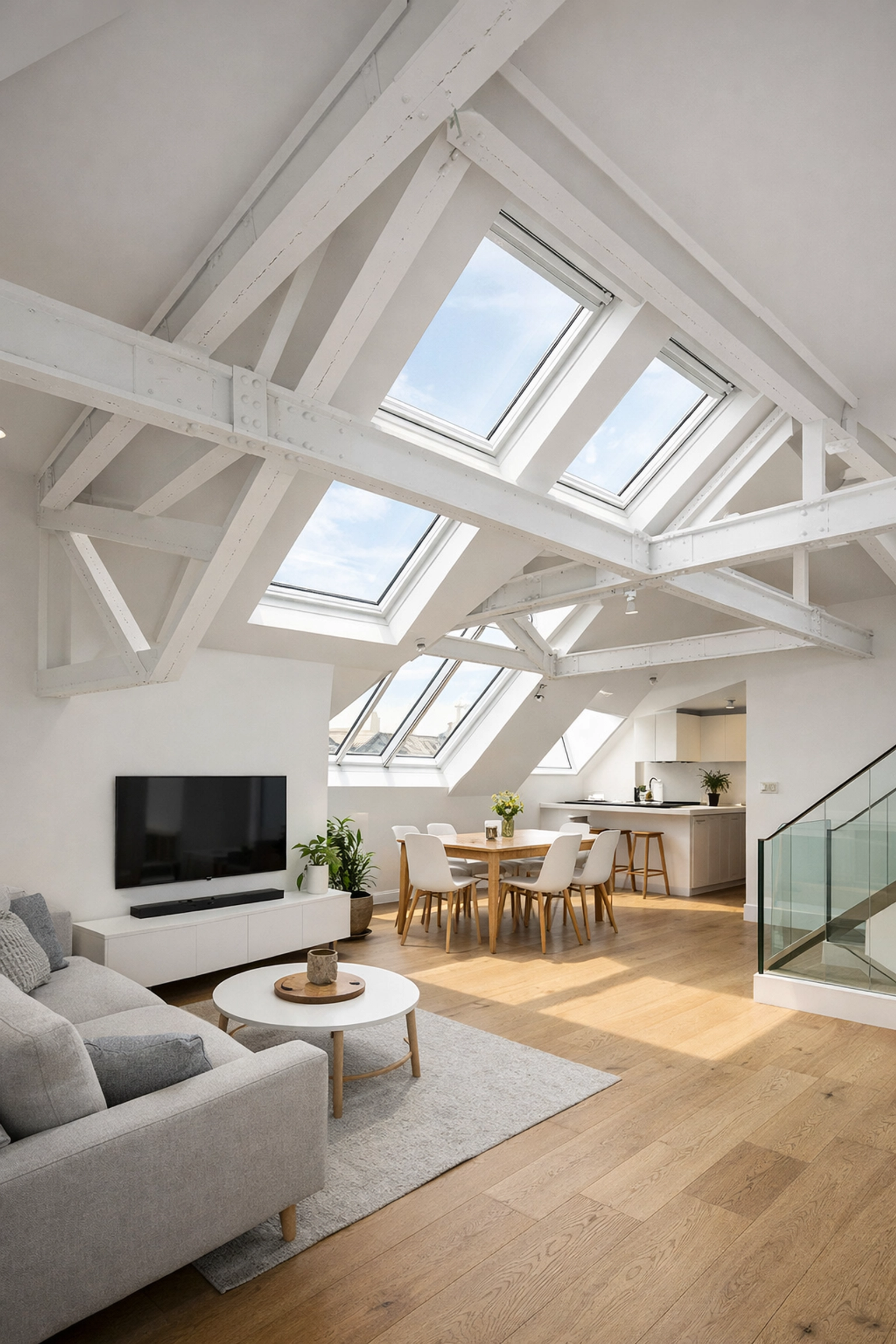
In-house teams offer an additional advantage: longevity and collaborative culture. Firms with 20+ years operating across London have navigated multiple regulatory changes, economic cycles, and construction method evolutions. This institutional knowledge: combined with architects and engineers who've worked together for years: produces technical coordination that newly formed partnerships cannot replicate.
Look for evidence of service-driven approaches beyond pure technical delivery. Leading London practices provide project management oversight, maintain direct relationships with specialist subcontractors like steel fabricators, and offer clear communication throughout the design and construction process.
From Concept to Completion
The in-house advantage becomes most apparent during critical project phases. When your architect prepares initial feasibility studies, your structural engineer assesses structural viability simultaneously: not weeks later after design commitment. When contractors raise site queries about beam installations, both your architect and structural engineer respond with unified guidance.
Building Control submissions proceed more smoothly because architectural and structural drawings align perfectly. Your structural calculations reference the same wall positions, floor levels, and material specifications shown on architectural plans. Building Control Officers spend less time identifying discrepancies and more time processing approvals.
For complex projects spanning residential extensions, commercial refurbishments, or mixed-use developments, this coordination proves essential. Technical parties working from identical project information simply deliver better outcomes: fewer contractor variations, reduced construction delays, and buildings that perform as designed.
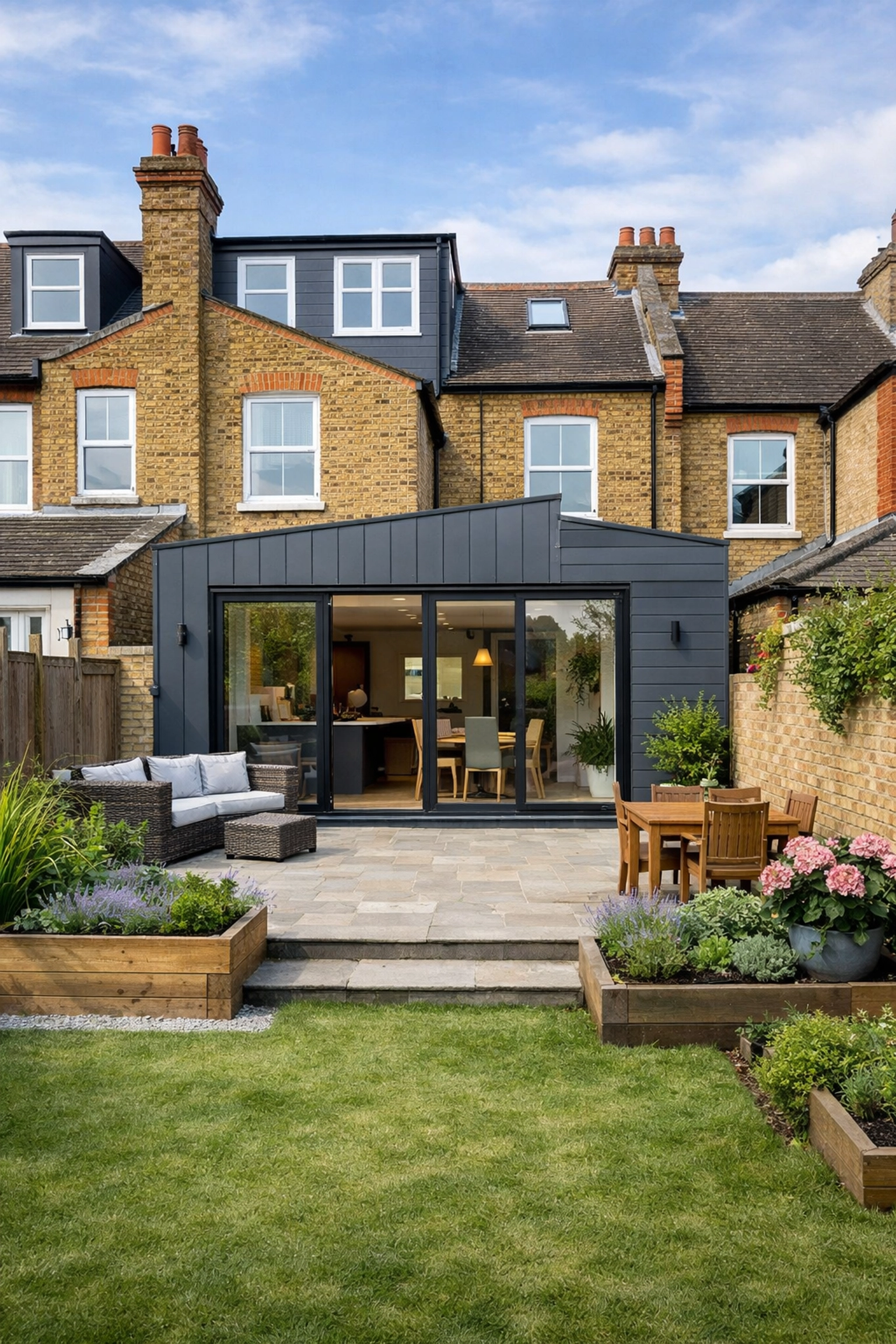
Whether navigating party wall procedures for terraced property work, optimizing structural solutions for cost-effective loft conversions, or designing HMO layouts that satisfy both planning requirements and structural efficiency, in-house collaboration ensures all technical considerations inform design decisions from the beginning.
London's construction landscape demands this level of integration. Projects succeeding in Croydon, Bexleyheath, and across Surrey combine architectural creativity with structural precision, local planning knowledge with Building Regulations compliance, and collaborative communication with technical rigour.
The firms delivering these outcomes maintain in-house teams because the alternative: coordinating separate consultants across multiple offices: introduces inefficiencies that compromise project quality. When architects and structural engineers share the same objectives, work from the same information, and maintain unified accountability for project success, London developments proceed with clarity that outsourced arrangements struggle to match.

