.png)

_edited.png)
The RIBA Roadmap: How Shorplans Navigates Your Build from Concept to Completion
- Mar 17
- 5 min read
The RIBA Plan of Work is the definitive roadmap for any successful construction project. It provides a structured framework that guides a development from the initial spark of an idea through to the final handover of keys.
For many homeowners and developers, the architectural process can feel like an intricate system of hurdles. Understanding how your project moves through these stages is crucial for managing expectations, budgets, and timelines. At Shorplans Developments, we align our entire workflow with these industry-standard benchmarks to ensure total transparency.
Whether it is a complex loft conversion or a high-end kitchen extension, the RIBA stages provide the clarity needed to navigate the construction landscape. By integrating architectural design and structural engineering under one roof, we streamline this transition between phases.
Stage 0 & 1: Strategic Definition and Preparation
Success in architecture is often determined before a single line is drawn. Stage 0 focuses on the "why" of the project, assessing viability and making sure the client's goals align with the site's potential. This is where the strategic foundation is laid.
When we move into Stage 1, the focus shifts to the Briefing. This is arguably the most important phase for our architects. We define the project requirements, establish the budget, and assemble the necessary team to bring the vision to life.
During this stage, we often conduct feasibility studies. Whether you are working with Merton architects or planning a development in Islington, understanding local constraints early prevents costly redesigns later. We ensure the project management framework is set in stone before proceeding.
Stage 2: Concept Design
This is where the vision starts to take physical form. Concept Design is about creativity tempered by reality. Our team produces initial design proposals that explore how the brief can be interpreted spatially.
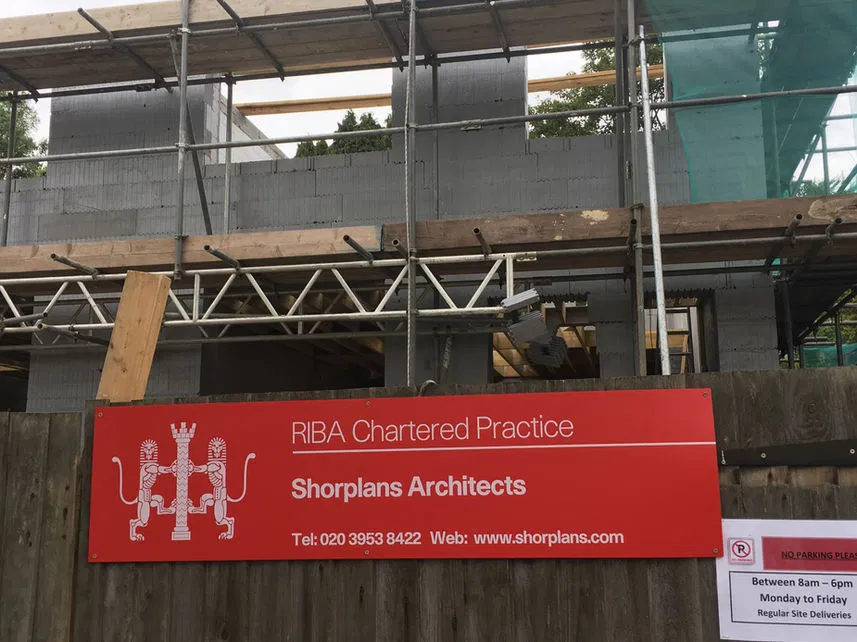
At this point, we engage in conceptual sketching and architectural modeling. It is a collaborative phase where client feedback is essential to refine the direction of the build. We consider the flow of the home, the impact of natural light, and how the new structure will sit within its environment.
The beauty of the Shorplans approach is that even at the concept stage, our structural engineers are in the room. This ensures that the beautiful glass-walled extension we are designing is actually achievable from an engineering perspective. It eliminates the "design friction" that often occurs when architects and engineers work in silos.
Stage 3: Spatial Coordination and Planning
Stage 3 is where the project meets the reality of the planning system. This stage involves detailed layouts and spatial coordination to resolve any conflicts between the architectural intent and the structural requirements.
For projects in London, navigating home development regulations requires a surgical touch. We prepare the necessary documentation for planning submissions, ensuring that the design complies with local authority guidelines. This might involve heritage considerations or specific density requirements for HMO developments.
When we submit a planning application, it is backed by a coordinated design. This means that the dimensions and volumes have been tested against the site’s constraints. Our experience as Southwark architects and Lambeth architects allows us to anticipate the concerns of planning officers, smoothing the path to approval.
Stage 4: Technical Design and The Structural Advantage
Technical Design is the stage where the "how" of the building is solved. It is the most detail-oriented phase of the RIBA Plan of Work. Here, we produce the full technical specifications and drawings required for Building Control and tendering.

This is where the Shorplans advantage truly comes to the fore. Because we have in-house structural engineering expertise, Stage 4 is a seamless extension of the design process. We provide the precise structural calculations and load-bearing details necessary for a robust build.

Having the architect and engineer working on the same digital model prevents the common site issue of "architectural intent" clashing with "structural necessity." For example, if we are designing a large open-plan space with bi-fold doors, our engineers calculate the steel beams required simultaneously. This ensures the technical drawings are ready for the contractor to follow without ambiguity.
Stage 5: Construction
Once the technical design is complete and the party wall insights have been addressed, the project moves to the construction site. Stage 5 is the implementation phase where the digital designs become a physical reality.
The transition from paper to site can be daunting for many clients. Our role during this phase is to ensure the contractor adheres to the technical design and quality standards defined in Stage 4. We monitor progress and resolve any unforeseen site issues that may arise during the groundworks or structural assembly.
Whether the project involves Hillingdon architects or Barnet architects, our presence on-site provides a layer of professional oversight. We act as the bridge between the design vision and the practicalities of the building trade, ensuring the integrity of the project remains intact.
Stage 6 & 7: Handover and Use
The final stages of the RIBA Plan of Work focus on the completion and the long-term performance of the building. Stage 6 involves the handover of the project, ensuring all certifications, warranties, and Building Control sign-offs are in place.

Stage 7 is the "In Use" phase, which includes post-occupancy evaluation. This is where we reflect on the project's performance. Does the building function as intended? Is the thermal efficiency meeting the targets set in the technical design?
A successful build is one that not only looks exceptional but functions perfectly for the people living or working inside it. By following the RIBA stages meticulously, we ensure that every project we undertake results in a space that adds value to our clients' lives and the built environment.
The Power of Integrated Thinking
The traditional architectural model often involves the client hiring an architect, and then later hiring a separate structural engineer. This can lead to a fragmented process where the engineer "fixes" the architect's design, often losing the aesthetic essence in the process.
At Shorplans Developments, we believe the RIBA stages should be a unified journey. By housing both disciplines, we create a feedback loop that starts at Stage 1 and continues through to Stage 5. This integrated approach minimizes friction, reduces the risk of site delays, and ultimately ensures that the design you fell in love with is exactly what gets built.
From the initial strategic definition to the final handover, navigating the build requires expertise and a structured approach. The RIBA roadmap provides the path, and our integrated team provides the vehicle to get you there. When it comes to London home development, this level of coordination is not just a luxury: it is an essential component of a successful, stress-free build.


