.png)

_edited.png)
The Proven Architecture & Structural Engineering Framework: How 20+ Years of London Projects Avoid Building Control Nightmares
- Feb 21
- 5 min read
Building Control rejection costs UK homeowners an estimated £180 million annually in project delays. Most of these failures stem from one preventable issue: disconnected architectural and structural planning.
We've spent 20+ years navigating London's building control landscape. The patterns are clear. Projects fail when architecture and engineering operate in silos.
The Building Control Nightmare Most London Projects Face
Planning permission approval feels like victory. Then Building Control steps in.
Your architect's beautiful designs suddenly clash with structural realities. The structural engineer suggests steel beam specifications that contradict architectural intent. Building Control officers request revisions that cascade through both disciplines.
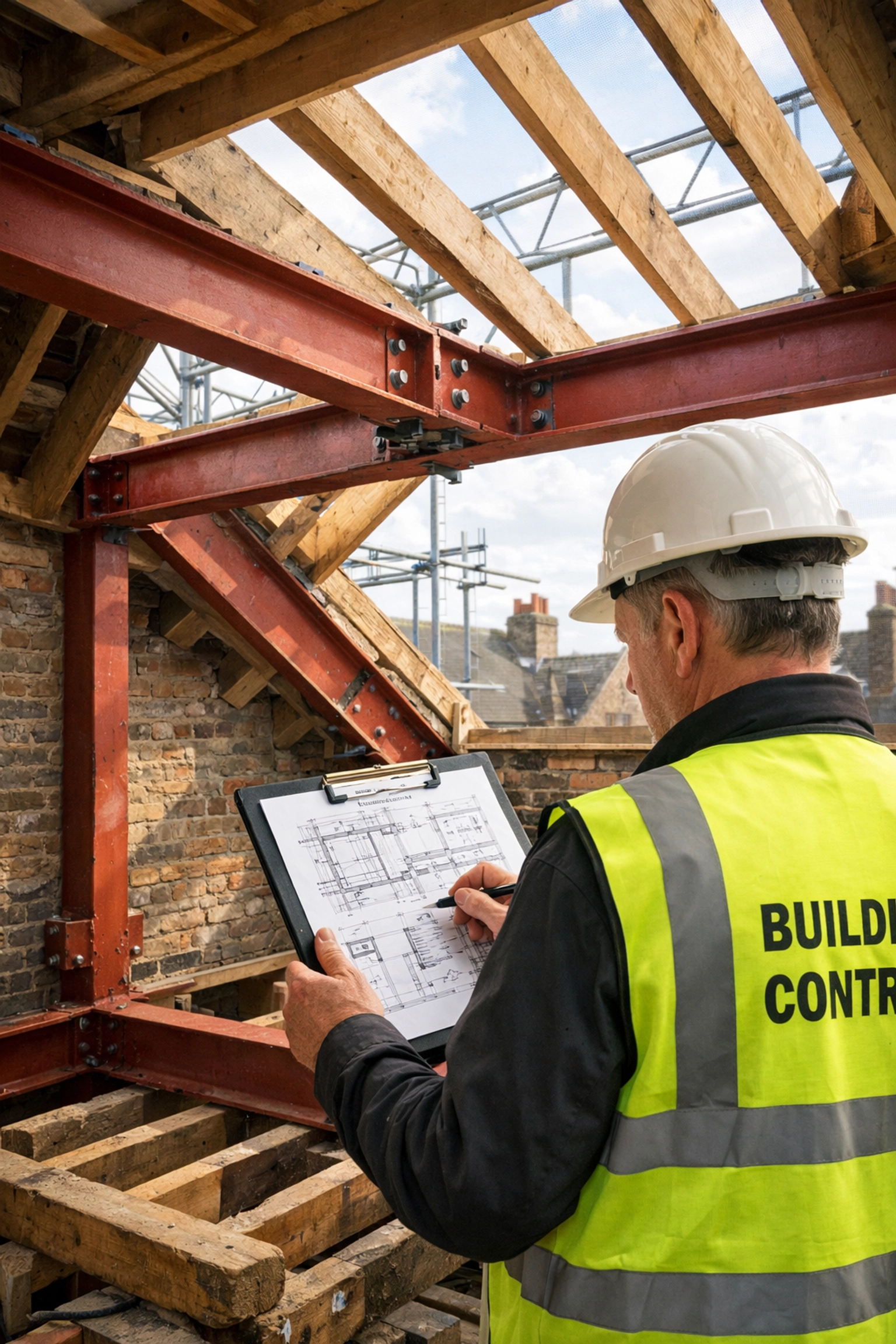
This fragmentation creates predictable problems. Delayed approvals. Budget overruns. Redesigns that compromise the original vision. For high-risk buildings over 18 metres or containing multiple residential units, the new three-gateway approval process amplifies these risks significantly.
The Building Safety Regulator now requires detailed structural calculations at Gateway 2. Missing this coordination means rejection and costly rework.
Why Traditional Project Approaches Create Compliance Gaps
Most homeowners hire an architect first. Then they engage a structural engineer weeks or months later. This sequential approach bakes in compliance risks from day one.
Architects in Croydon or Bexleyheath design loft conversions without knowing exact RSJ specifications. Structural engineers later calculate loadings that require wall repositioning. Building Control identifies conflicts neither party anticipated.
The result? Three professionals pointing fingers while your project timeline collapses.
We've witnessed this pattern across hundreds of London projects. The structural engineer loft conversion cost suddenly doubles because the architect's original drawings didn't account for load-bearing requirements. The HMO architect designs bedroom layouts that structural calculations later render impossible.
The Framework: Simultaneous Architecture & Engineering Integration
Our framework eliminates these disconnects through one principle: architectural and structural work happens simultaneously under one roof.
When you brief us on a rear extension in Surrey or a loft conversion in London, both disciplines engage immediately. The architect sketches initial concepts while the structural engineer evaluates loadings, bearing capacities, and Building Control requirements in real-time.
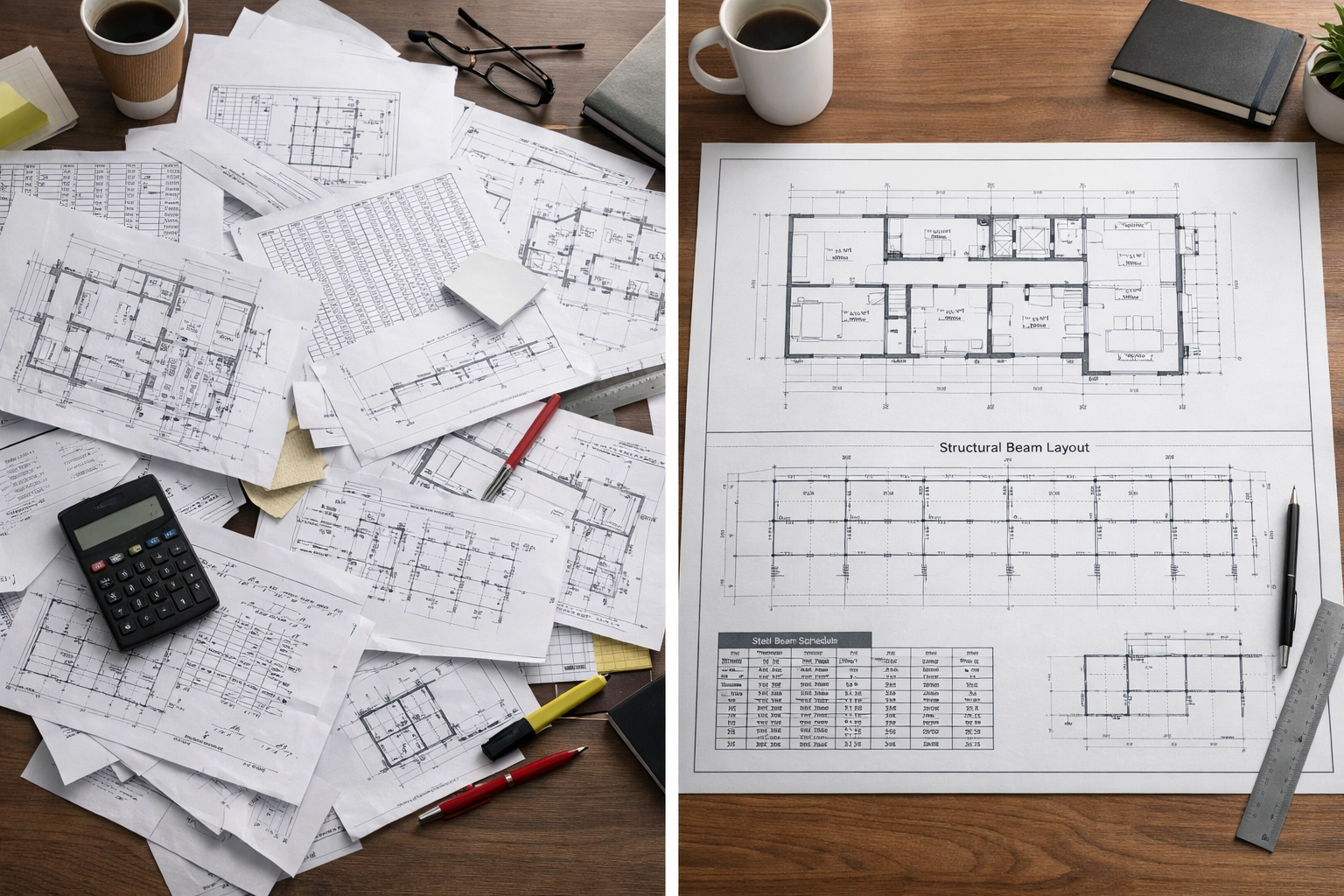
This isn't just faster. It's fundamentally different planning.
Your architect knows the exact RSJ dimensions before finalizing wall positions. Your structural engineer sees spatial requirements before calculating beam specifications. Building Control submissions contain zero conflicts between architectural drawings and structural calculations.
The outcome? First-time approvals become standard rather than exceptional.
How In-House Coordination Transforms Building Control Submissions
Building Control officers in London boroughs have seen it all. They can identify disconnected submissions within minutes of review.
Our integrated submissions read differently. Architectural drawings reference structural calculations explicitly. Structural specifications align perfectly with spatial layouts. The "golden thread" of information that the Building Safety Regulator demands flows naturally through documentation.
For high-risk buildings requiring the three-gateway process, this coordination becomes mission-critical. Gateway 2 approval hinges on proving that structural engineering supports every architectural decision. We build this evidence into the design process itself, not as an afterthought.
This matters particularly for complex projects like HMO conversions. An HMO architect must balance fire safety compartmentation, means of escape, and structural alterations simultaneously. Traditional sequential approaches struggle with this complexity. Integrated planning handles it naturally.
Real-World Application: From Loft Conversions to Commercial Projects
Let's examine how this framework applies across project types.
Loft Conversions: Understanding loft conversion cost London-wide requires accounting for structural complexity. A dormer addition needs precise RSJ calculations before Building Control will approve. We calculate loadings during the initial architectural phase, eliminating the "surprise cost" many homeowners face when structural engineers get involved late.
The structural engineer loft conversion cost becomes predictable because we assess it upfront, not after architectural commitments.
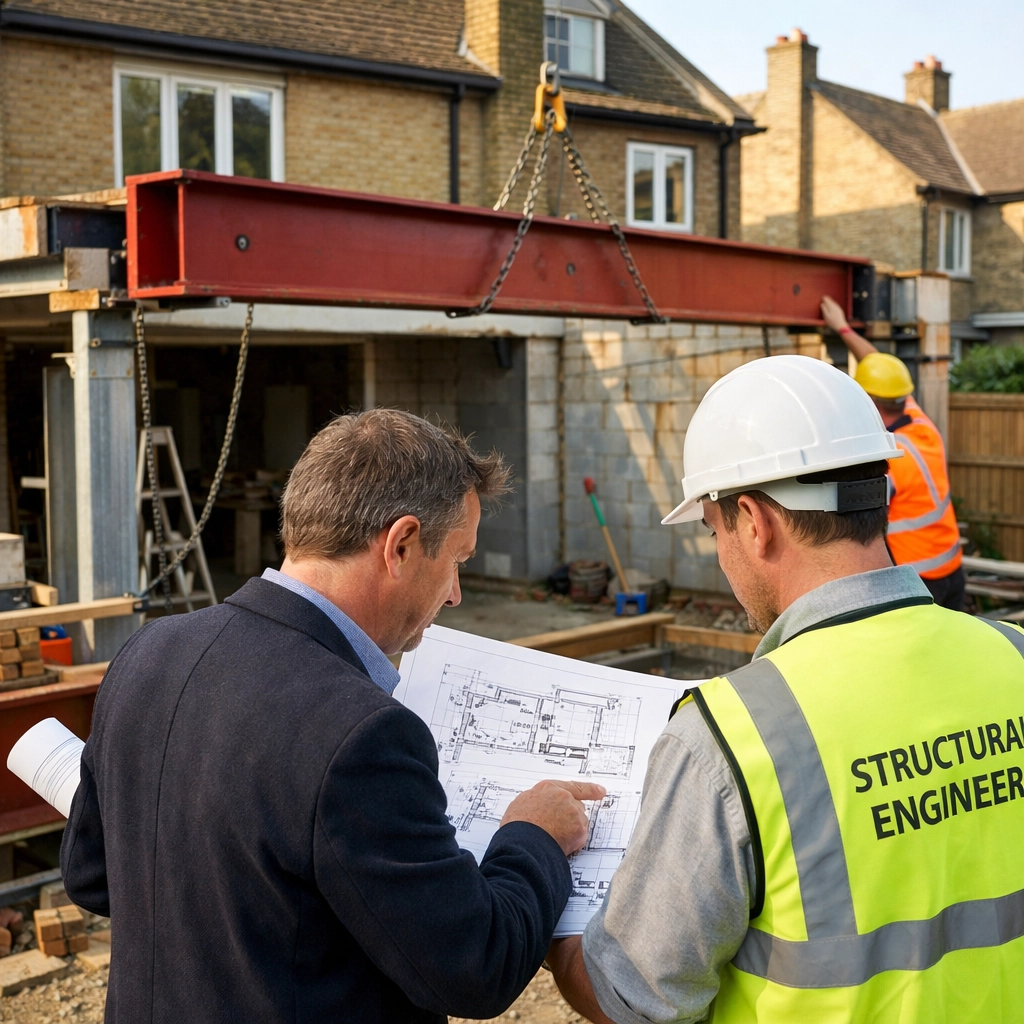
Residential Extensions: Whether you're adding a kitchen extension or side return, Building Control wants proof that new loadings won't compromise existing structures. Our architects design with structural constraints already mapped. No redesigns. No budget shocks.
Commercial Projects: Mixed-use developments and commercial conversions face the most stringent Building Safety Regulator oversight. Our framework ensures that every architectural choice: from ceiling heights to column placement: passes structural and regulatory scrutiny before submission.
The Croydon, Bexleyheath & Surrey Advantage
Local building control departments operate differently. Croydon has specific expectations around Victorian terrace conversions. Bexleyheath building control takes particular interest in inter-war property alterations. Surrey boroughs each maintain distinct interpretation nuances.
After 20+ years across these regions, we know these local patterns intimately.
When architects in Croydon submit our integrated documentation, building control officers recognize the coordinated approach. They process applications faster because the typical conflict points don't exist. An architect in Bexleyheath benefits from our structural team already understanding local soil conditions and foundation expectations.
This local knowledge compounds the advantage of integration. We're not just coordinating disciplines: we're coordinating them within the specific regulatory environment your project will face.
Beyond Compliance: The Commercial Reality
Building Control approval matters most when it doesn't happen. Every delay costs money directly through holding costs and indirectly through opportunity cost.
Our framework doesn't just achieve compliance. It achieves efficient compliance.
Projects progress from concept to Building Control approval in 60-70% of typical timelines. This efficiency stems from eliminating the back-and-forth that disconnected services create. Your architect doesn't need to wait for structural feedback. Your structural engineer doesn't need to retrofit calculations to match architectural decisions.
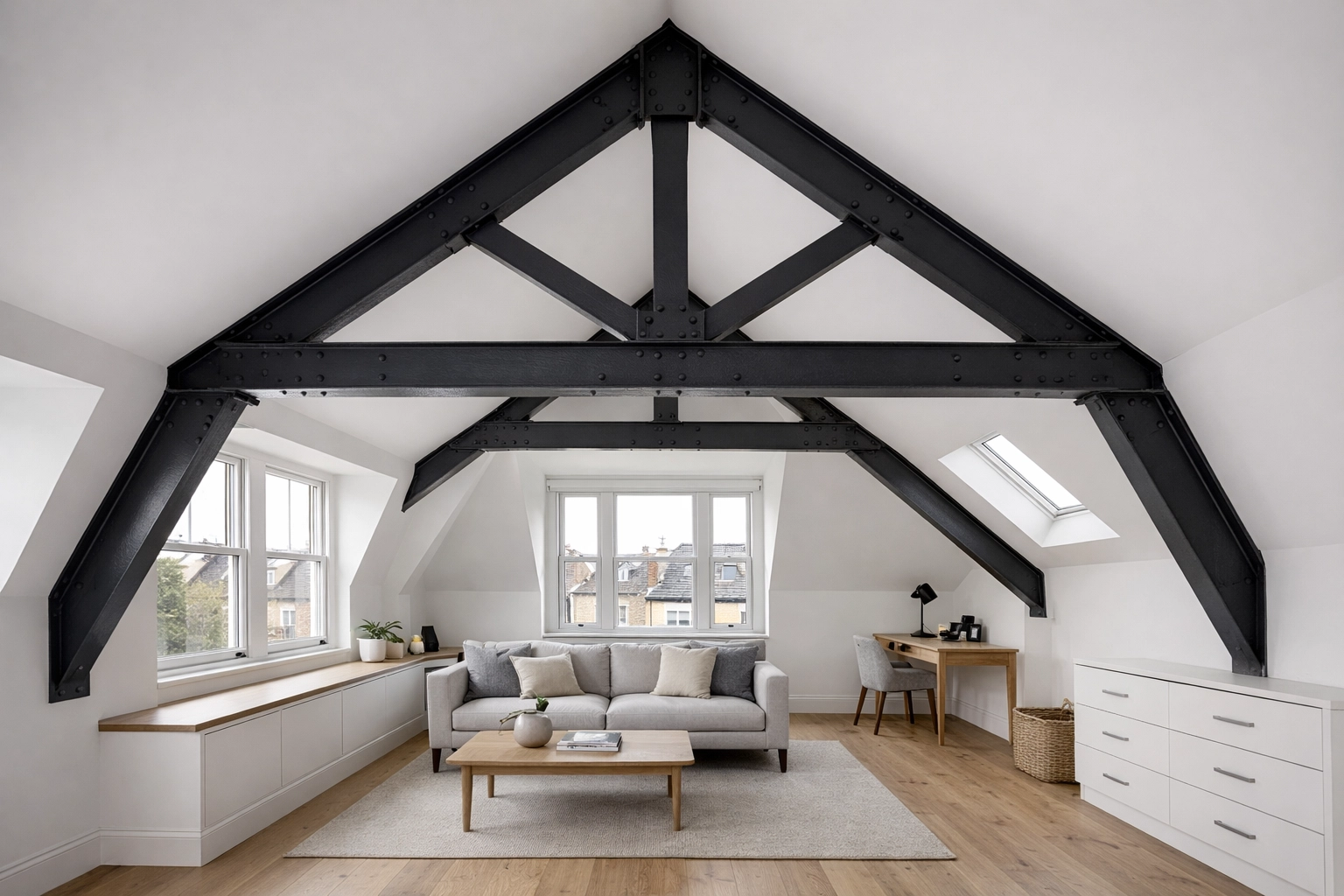
For commercial projects and HMO conversions, this timeline compression directly impacts ROI. An HMO architect who can navigate Building Control efficiently delivers rental income months earlier. Commercial architects who coordinate structural requirements upfront prevent construction delays that cost tens of thousands weekly.
The Building Safety Act Changes Everything
The Building Safety Act 2022 fundamentally altered compliance requirements for high-risk buildings. The three-gateway approval process demands documentation sophistication that traditional approaches struggle to provide.
Gateway 1 requires fire safety considerations integrated with planning permission. Gateway 2 demands detailed building control approval with complete structural validation. Gateway 3 requires a completion certificate proving construction matched approvals exactly.
This framework was purpose-built for integrated planning. The "golden thread" of information flows naturally when architecture and engineering work together from inception. Building Safety Regulator inspections find consistent documentation because both disciplines contributed to every decision.
For London projects approaching the 18-metre threshold or containing multiple residential units, this integrated approach transitions from advantageous to essential.
What This Means For Your Project
If you're planning a loft conversion, extension, or commercial development in London, Croydon, Bexleyheath, or Surrey, the traditional approach carries more risk than ever before.
Building Control requirements have intensified. The Building Safety Regulator examines high-risk buildings with unprecedented scrutiny. Sequential planning approaches that worked a decade ago now create compliance vulnerabilities.
Our framework solves this through integration, not complexity. Twenty years of London projects have taught us that building control nightmares share one root cause: fragmented planning.
When architecture and structural engineering work as one discipline rather than two, Building Control approvals become predictable. Budgets hold. Timelines compress. Projects progress from concept to completion without the costly surprises that plague traditional approaches.
The question isn't whether integrated planning works better. Two decades of evidence answers that conclusively. The question is whether your next project will benefit from it.
Explore how our integrated approach applies to your specific project at Shorplans Developments. Because Building Control approval shouldn't be the hardest part of building your vision.

