.png)

_edited.png)
The HMO Blueprint: How to Maximize Rental Yield with Smart Design
- Feb 17
- 5 min read
HMO properties represent one of the most lucrative opportunities in today's rental market. When designed correctly, they deliver yields that surpass traditional buy-to-let investments by considerable margins.
The difference between a profitable HMO and a struggling one often comes down to design decisions made before the first tenant moves in. Smart layout choices, strategic amenities, and an understanding of what modern tenants actually want separate successful developments from empty rooms.
This article explores the architectural and design principles that transform standard properties into high-performing rental assets. Whether converting an existing building or planning a new development, these strategies maximize both occupancy rates and rental income.
Location Drives Everything
Location determines your HMO's ceiling for profitability. Properties near universities, hospitals, or major employment centers command premium rents with minimal vacancy periods.
The best investors use systematic scoring before purchasing. A 10-point location assessment examines transport links, local amenities, employment opportunities, and demographic trends. Properties in vibrant neighborhoods with strong tenant demand justify higher construction budgets because the returns support the investment.
Conversely, even beautifully designed HMOs in poor locations struggle. No amount of luxury fittings compensates for a 45-minute commute or lack of local infrastructure. The location decision happens first: everything else flows from that foundation.
Room Sizing: Quality Over Quantity
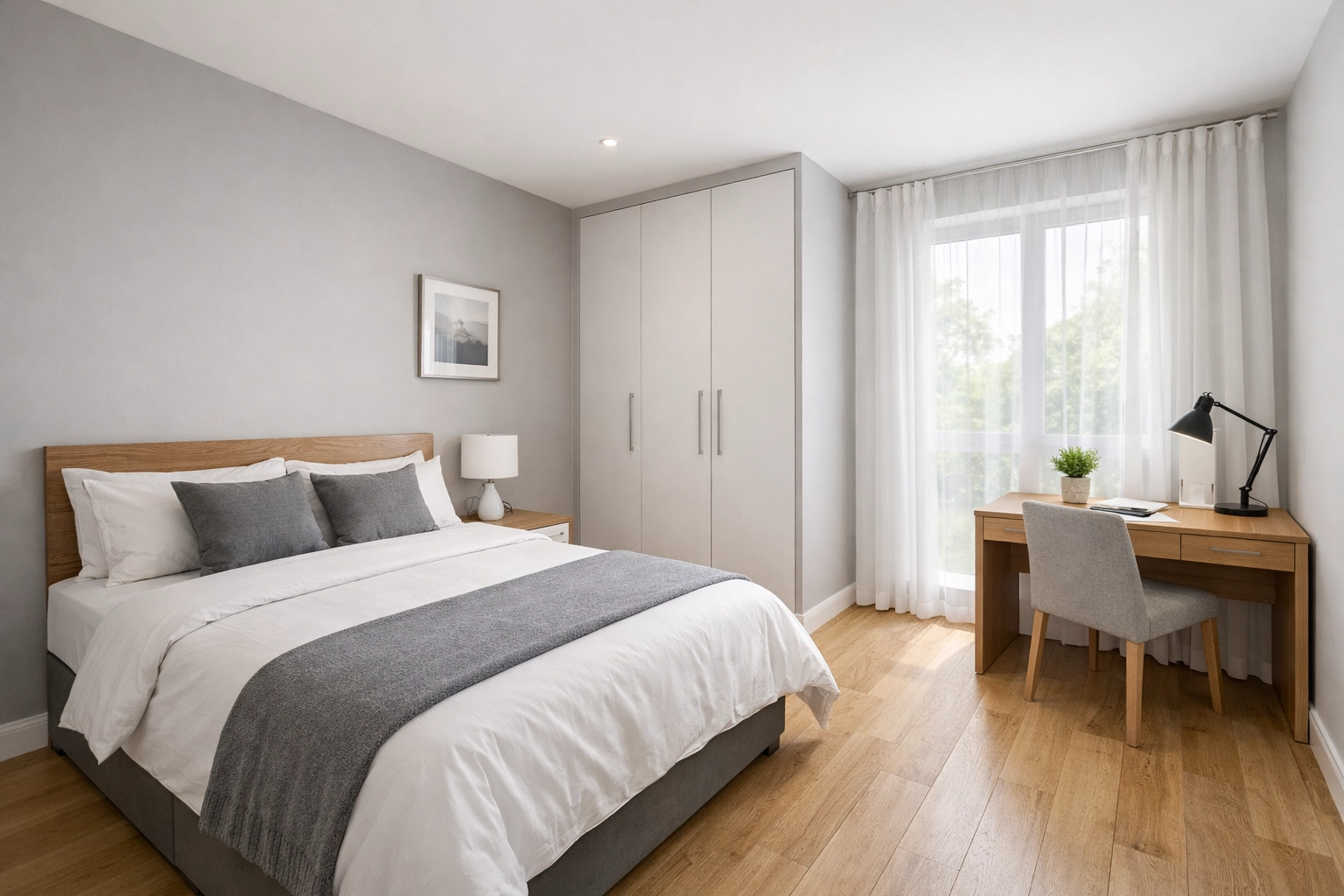
The temptation to maximize room count undermines profitability. Cramped rooms of 8-9 square meters consistently remain vacant, dragging down overall yield even when other rooms fill quickly.
Minimum viable room size sits at 11 square meters. Below this threshold, tenants perceive spaces as undesirable regardless of price reductions. Properties with five well-proportioned rooms outperform those with seven substandard ones.
Each room requires adequate natural light, proper ventilation, and sufficient space for essential furniture. A bed, desk, wardrobe, and circulation space represent non-negotiable minimums. Cutting corners on room dimensions creates a cascade of problems: poor tenant retention, negative reviews, and difficulty attracting quality residents.
The mathematics favor larger rooms. A slightly reduced room count with premium sizing allows higher per-room rents that more than compensate for the lost unit. Tenants pay for comfort and livability, not just a door that locks.
Balancing Private and Communal Zones
Successful HMOs create harmony between personal retreat spaces and shared living areas. Tenants need both: somewhere private to decompress and communal zones that prevent isolation.
Individual rooms function as self-contained sanctuaries. En-suite facilities dramatically increase desirability, particularly for young professionals and postgraduate students. Built-in storage solutions eliminate the need for bulky furniture, making rooms feel larger. Acoustic insulation between rooms proves essential: nobody wants to hear their neighbor's phone conversations or late-night activities.
Communal spaces require equal attention. A generous kitchen with ample worktop space, multiple cooking zones, and sufficient refrigeration prevents territorial conflicts. Open-plan kitchen-living areas create social hubs that enhance the tenant experience without sacrificing functionality.
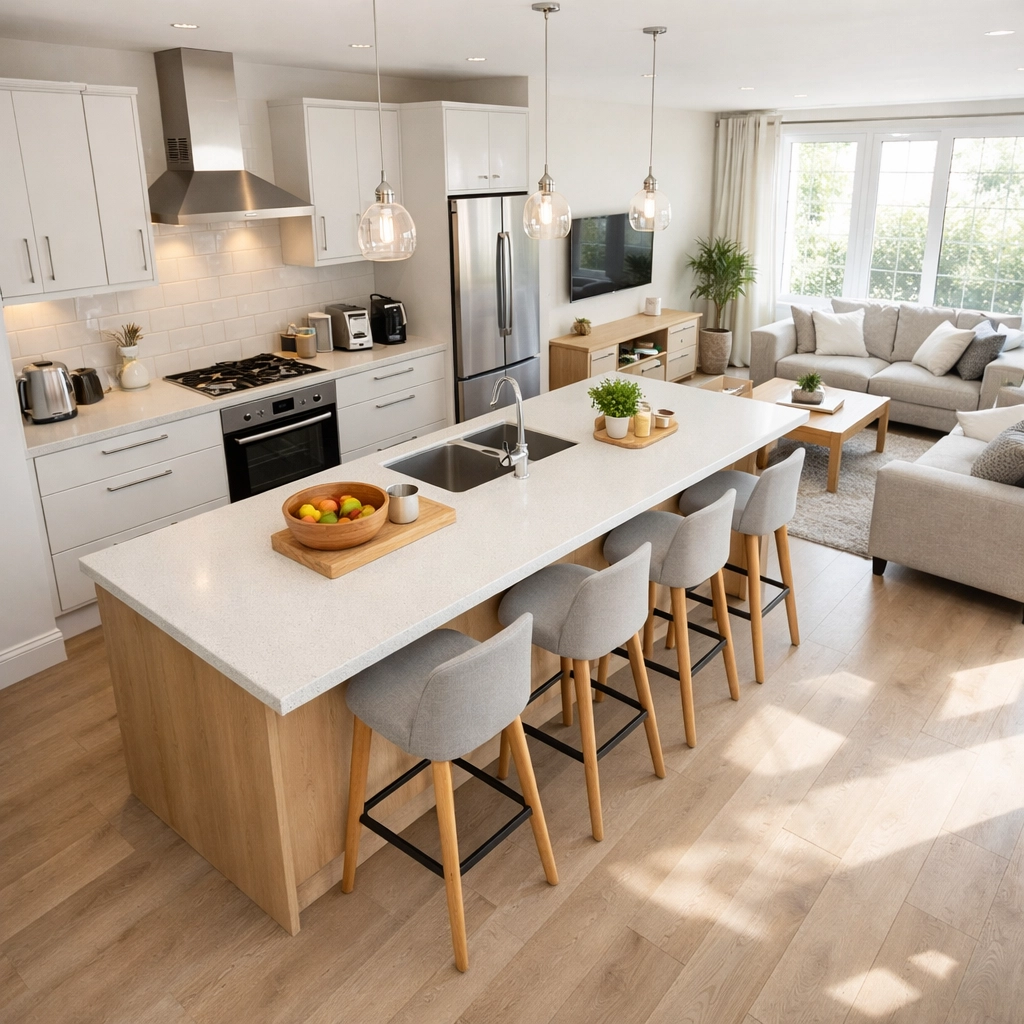
Additional communal amenities justify premium pricing. A dedicated home office or study room addresses the work-from-home reality. A small gym or games room differentiates your property from competitors. These investments pay dividends through higher rents and longer tenancies.
The ratio matters. Overemphasizing communal space at the expense of bedroom size creates dissatisfaction. Finding the sweet spot: typically 30-35% of total floor area dedicated to shared spaces: requires experience and understanding of your specific tenant demographic.
Modern Amenities: Meeting Contemporary Expectations
Today's tenants arrive with clear expectations shaped by their previous living experiences. High-speed internet isn't a luxury: it's baseline infrastructure comparable to running water.
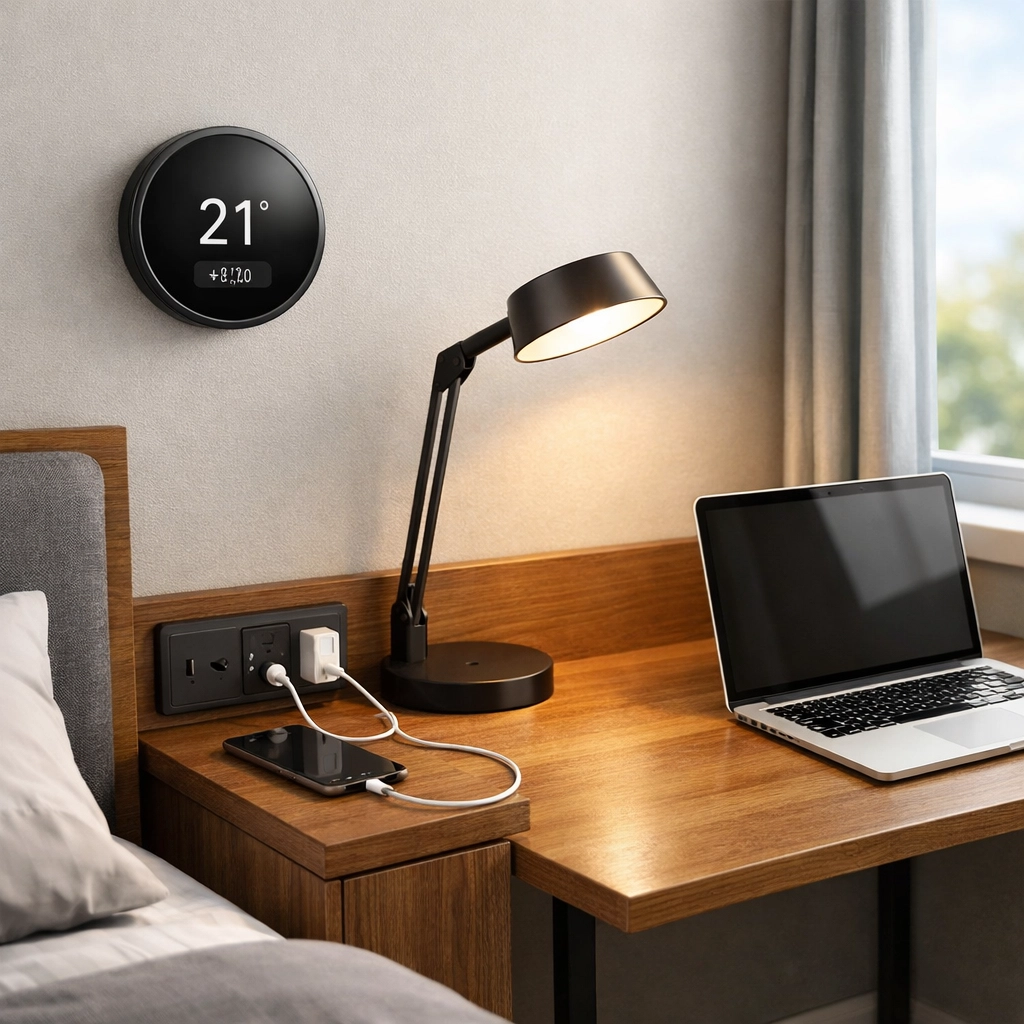
Smart home features increasingly influence rental decisions. Programmable thermostats reduce utility bills while providing comfort control. Smart lighting and keyless entry systems appeal to tech-savvy tenants who expect seamless integration with their devices.
USB charging ports throughout rooms and communal spaces address the reality of multiple devices per person. Integrated desk solutions with cable management prevent the tangle of extension leads that plague poorly planned rooms. These details seem minor but accumulate into a coherent experience that commands premium rents.
Energy efficiency impacts both marketing and operating costs. Modern appliances, LED lighting, and proper insulation reduce bills that tenants ultimately pay. Properties marketed with low energy ratings attract more interest and justify higher rents because tenants calculate total cost of living, not just base rent.
Laundry facilities deserve particular attention. In-house washers and dryers eliminate a major tenant pain point. Dedicated drying spaces prevent moisture problems while giving tenants essential functionality. These amenities directly impact tenant satisfaction scores and renewal rates.
Compliance as Design Foundation
Regulatory requirements shape HMO design from concept stage, not as afterthoughts during construction. Fire safety systems, acoustic standards, and means of escape integrate into architectural plans before any walls go up.
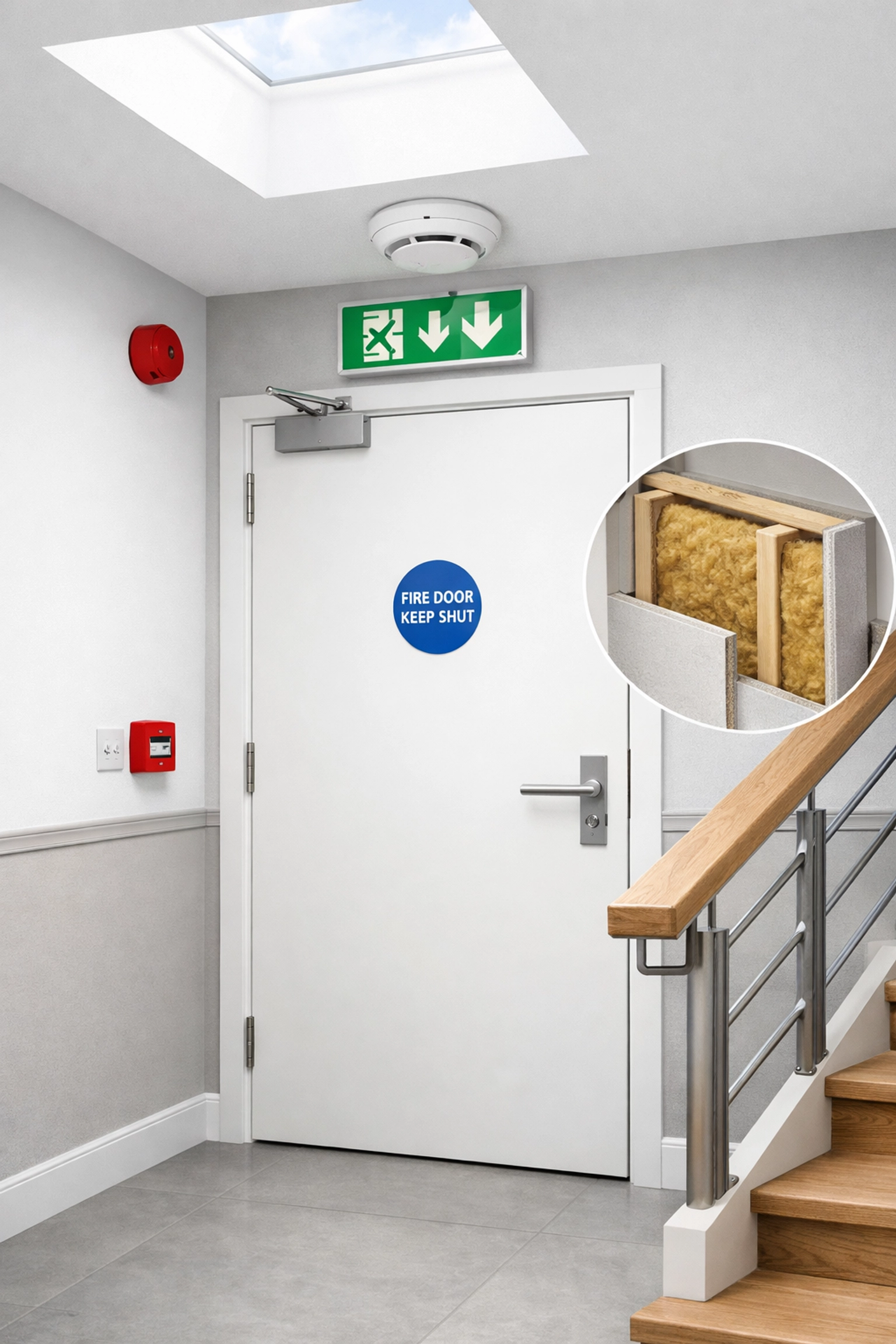
Current regulations mandate interconnected smoke and heat detection systems throughout the property. Fire doors with appropriate ratings separate sleeping areas from communal spaces and escape routes. Emergency lighting guides occupants during power failures. These elements influence room layouts, circulation patterns, and construction specifications.
Acoustic insulation standards prevent sound transmission between rooms and floors. Proper specification ensures tenant privacy and reduces complaints. Inadequate sound insulation creates ongoing management headaches that erode profitability through tenant turnover.
Kitchen facilities must meet specific standards based on the number of occupants. Adequate cooking appliances, food preparation areas, and refrigerated storage space prevent conflicts and ensure compliance. Undersized kitchens generate complaints and regulatory issues.
Working with experienced architects who understand HMO-specific regulations prevents costly redesigns during construction. At Shorplans Developments, we embed compliance into initial designs, ensuring projects proceed smoothly through planning and building control.
Future-Proofing and Durability
HMOs experience higher wear than standard residential properties. Design choices must anticipate intensive use across years of multiple occupancies.
Material selection focuses on durability without sacrificing aesthetics. Commercial-grade flooring in high-traffic areas withstands constant footfall. Robust bathroom fittings endure daily use by multiple people. Quality paint specifications reduce maintenance intervals.
Infrastructure should accommodate future technology upgrades. Conduit systems allow cable additions without opening walls. Electrical circuits with adequate capacity support increased device loads as technology evolves. Plumbing layouts consider potential bathroom additions or modifications.
The goal balances initial investment against lifecycle costs. Cheap fixtures require frequent replacement, disrupting tenancies and eroding returns. Strategic spending on durable, quality materials reduces long-term maintenance while maintaining property appeal.
Design for Tenant Experience
Maximizing rental yield ultimately depends on occupancy rates and tenant retention. Properties that tenants genuinely enjoy living in command premium rents and maintain full occupancy.
Natural light transforms spaces. Generous windows, light color schemes, and strategic mirror placement create bright, welcoming rooms that photograph well and impress during viewings. Dark, cramped spaces struggle regardless of price.
Storage solutions address tenant needs directly. Built-in wardrobes, under-bed storage, and kitchen organization systems prevent clutter that makes rooms feel smaller. Bike storage, parcel reception areas, and dedicated spaces for cleaning equipment contribute to smooth daily living.
The cumulative effect of thoughtful design decisions creates properties that tenants recommend to friends, review positively online, and renew leases for. This organic marketing reduces vacancy periods and minimizes advertising costs while supporting premium pricing.
The Bottom Line
Successful HMO development requires viewing design through a profitability lens. Every decision: from room dimensions to door hardware: impacts either rental income or operating costs.
The highest-performing properties balance tenant needs with investment returns. Comfortable, well-designed spaces attract quality tenants willing to pay premium rents. Durable materials and embedded compliance reduce ongoing costs and management headaches.
Smart HMO design isn't about cutting corners to maximize room count. It's about creating living environments that command higher rents, maintain full occupancy, and deliver sustainable returns over the long term. The blueprint for success combines strategic location selection, thoughtful space planning, modern amenities, and unwavering attention to tenant experience: principles that transform properties into high-yield assets.

