.png)

_edited.png)
The 'Coordination Gap': Why Your Architect and Structural Engineer Need to Be on the Same Team
- Feb 16
- 6 min read
Picture this: You've just paid your architect for beautiful extension drawings. The design is perfect. Then your structural engineer reviews it and delivers the bad news: half of it needs to change. The open-plan kitchen you wanted? Not structurally feasible without massive steel beams that blow your budget. The feature window? It compromises the load-bearing wall.
Welcome to the coordination gap.
It's the single biggest frustration property owners face when planning London extensions, loft conversions, or new builds. And it's entirely preventable.
When Beautiful Designs Meet Structural Reality
Architects are trained to envision spaces. They think in terms of light, flow, and aesthetics. Structural engineers think in terms of loads, spans, and building physics. When these two professionals work in isolation, the result is predictable: designs that look stunning on paper but don't hold up in the real world.
The pattern plays out constantly across London and Surrey. An architect designs that glass-wrapped corner extension. The structural engineer says it needs a steel column right where the dining table goes. The architect specifies slim-framed doors throughout. The engineer requires thicker frames to meet structural requirements. Each clash means starting over.
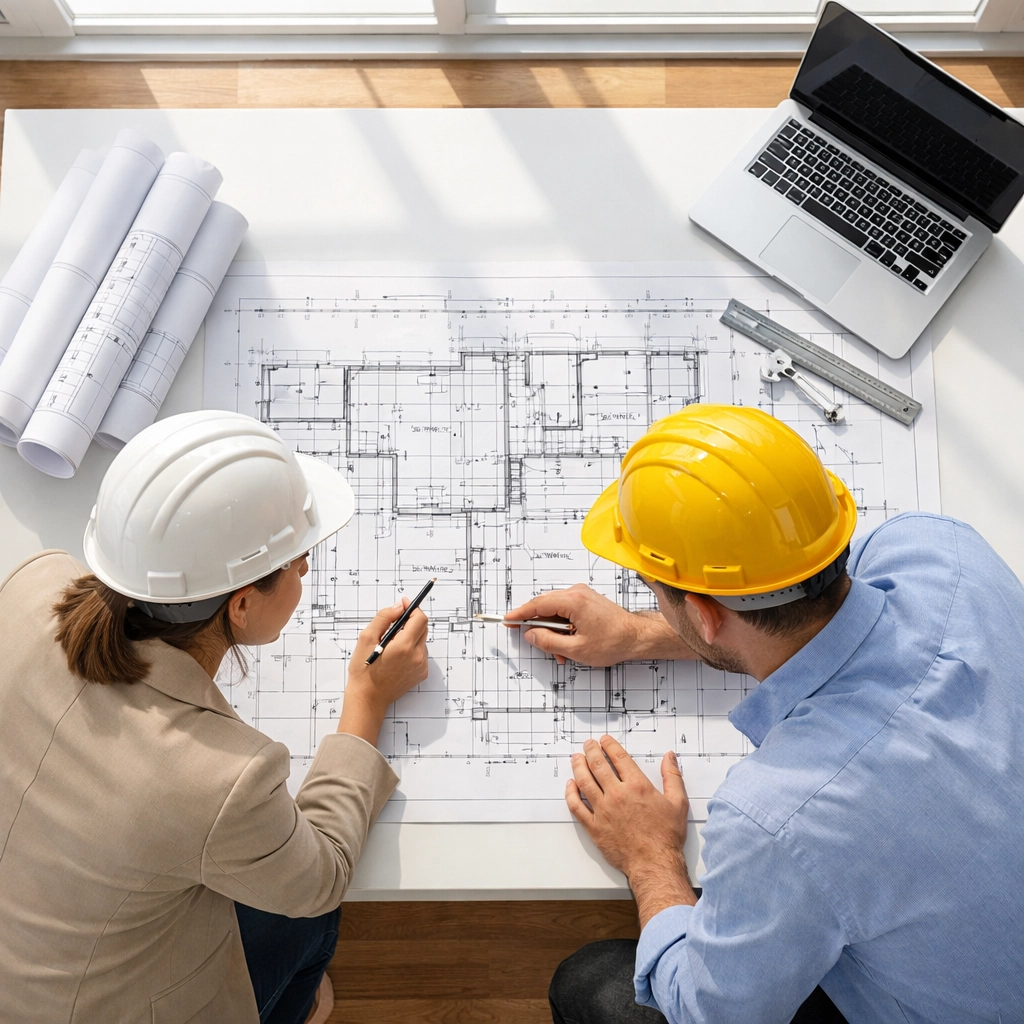
This isn't about one discipline being wrong. It's about them working separately when they should be collaborating from day one. Coordination gaps occur when architectural and structural designs don't align, leading to clashes and rework that could have been prevented during the design phase. The problem intensifies with complex projects like loft conversions where roof loads, party walls, and existing structures all factor into the equation.
For homeowners searching for architects Croydon or trying to understand structural engineer loft conversion cost, these coordination failures translate into one thing: paying twice for the same work.
The Hidden Cost of Revisions Nobody Warns You About
Initial design fees seem straightforward. You pay your architect. You pay your structural engineer. The work gets done, you get approvals, construction starts.
Except when it doesn't.
When your architect's drawings reach the structural engineer months into the process, discovering fundamental conflicts means going back to square one. Those beautiful architectural plans? They need revision. The structural calculations? They need reworking to fit the new design. Your planning application? It may need resubmission if the changes are significant enough.
Each revision cycle costs money. Architects charge for redesign time. Engineers charge for recalculations. If you're already through planning approval, you might face additional council fees. The homeowner: already stretched by London's sky-high property costs: ends up funding the correction of problems that shouldn't have existed.
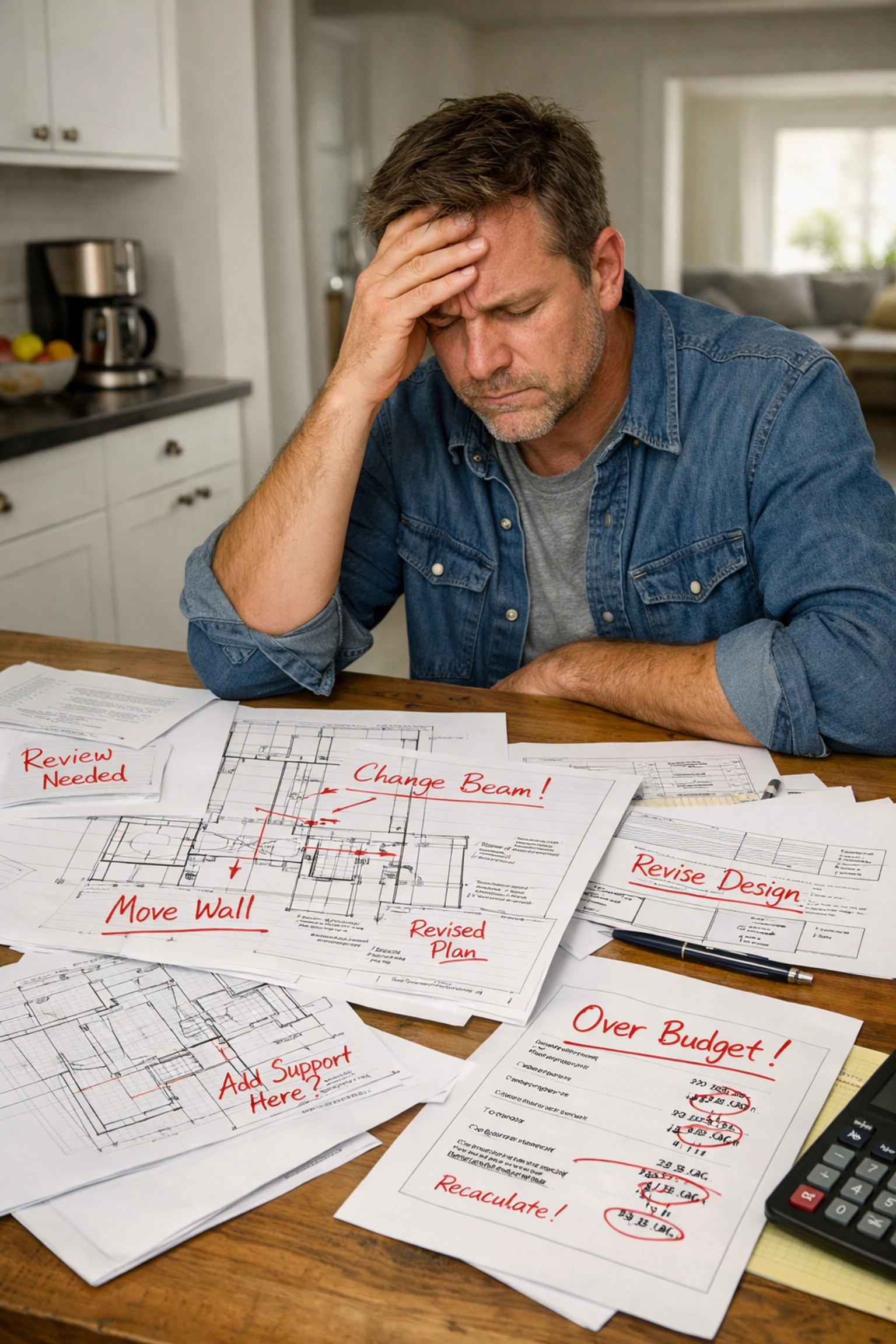
Inaccurate design coordination in the preconstruction stage leads directly to cost overruns. Beyond professional fees, there's the cascade effect. Delayed approvals push back your builder's start date. Your contractor may charge holding fees or move to another job, leaving you to find replacement tradespeople at short notice. Materials ordered months ago may no longer be available. The financial impact extends far beyond the immediate revision costs.
For projects involving structural engineer loft conversion cost, these coordination failures can add 15-30% to the engineering bill alone. When you factor in architectural revisions and construction delays, the real cost of the coordination gap becomes clear.
Three Points of Contact, Three Times the Stress
Managing a home extension or loft conversion is stressful enough. Planning regulations, party wall agreements, contractor quotes, material selections: the decisions never stop. Now add managing the relationship between your architect and structural engineer.
You become the go-between. The architect emails you drawings. You forward them to the engineer. The engineer spots issues and sends feedback. You relay it to the architect. Questions arise about who's responsible for which elements. You're chasing both parties for updates, trying to understand technical language, and making decisions about problems you didn't know existed.
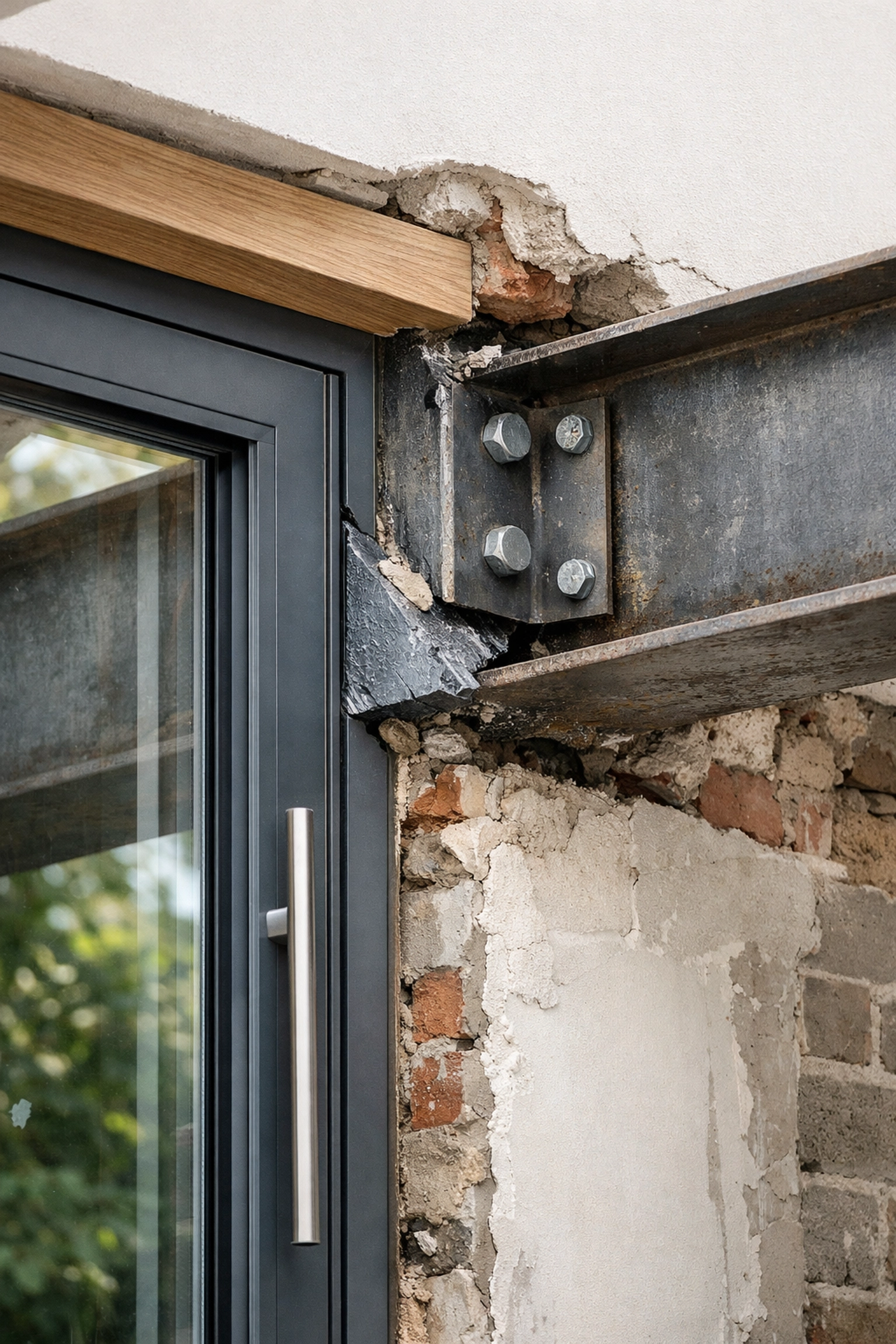
Coordination issues arise when the architectural and structural layout doesn't align with mechanical, electrical, and plumbing components. But as the homeowner, you're not equipped to spot these clashes. You're trusting professionals to identify conflicts before they reach the construction site. When those professionals aren't talking directly to each other, critical issues slip through.
The stress multiplies when timelines slip. Your architect says they're waiting on structural information. Your engineer says they need updated architectural plans. Meanwhile, you're fielding calls from your builder asking when approved drawings will be ready. This scenario plays out across London extensions projects every week, turning what should be an exciting home improvement into an administrative nightmare.
Why the Gap Exists in the First Place
The construction industry has operated on a fragmented model for decades. Architects design. Engineers calculate. Contractors build. Each discipline works independently, with coordination happening through document exchange rather than collaboration.
This model made sense before digital coordination tools existed. Physical drawings moved between offices by post. Phone calls and site meetings provided limited opportunities for real-time problem-solving. The industry adapted to working in silos because technology offered no alternative.
Modern projects demand more. Coordinating 3D BIM models from various trades into a single coordinated model reveals clashes before construction begins. Running clash tests identifies where architectural elements conflict with structural requirements, where services can't fit within ceiling voids, where access for maintenance hasn't been considered. These tools exist, but they require integrated teams working on shared platforms.
The gap persists because many practices maintain the old model. Architects work with their preferred engineers on a project-by-project basis. Communication happens through email attachments and periodic meetings. By the time coordination issues surface, designs are too far advanced for easy fixes. The construction site becomes the testing ground for whether everything fits together: the most expensive place to discover problems.
The Shorplans Solution: Twenty Years of Integrated Thinking
There's a better way, and it's surprisingly straightforward. Bring architectural and structural design under one roof from the project's first day.
At Shorplans Developments, we've spent over 20 years refining this integrated approach across London and Surrey. Our architects and structural engineers sit in the same room. They review projects together. When our architectural team sketches an extension layout, our structural engineers are already considering how it will be supported. When we specify materials, we're thinking about structural performance and aesthetic impact simultaneously.
This isn't just about convenience. It's about fundamentally different working relationships. Our teams use shared digital models where architectural and structural elements exist in the same space from day one. Conflicts get identified immediately: not months later when changes cost serious money. A loft conversion design accounts for roof loads, party wall constraints, and stair configurations in a single coordinated process.

The practical benefits show up quickly. Homeowners get realistic designs that account for structural requirements from the start. Quotes reflect actual construction needs rather than theoretical ideals. Planning applications proceed with confidence that approved designs can be built as drawn. Most importantly, there's one point of contact for the entire design process.
For projects ranging from rear extensions to complete new builds, this coordination eliminates the revision cycles that plague traditionally managed projects. When questions arise, they're resolved internally before reaching the homeowner. Our structural engineer loft conversion cost estimates include the architectural coordination time that separate consultants would charge extra for.
Setting a Solid Foundation Before Construction Begins
Effective coordination creates error-free deliverables for contractors to work from. Builders receive drawings where architectural dimensions match structural member sizes. Service routes are planned around structural elements rather than discovered to conflict on site. Installation sequences are determined during design, not improvised during construction.
This proactive approach transforms the construction phase. Site queries decrease dramatically when trades aren't discovering coordination conflicts. The construction timeline compresses because builders aren't waiting for revised drawings to resolve clashes. Material waste drops when dimensions are correct the first time.
For homeowners, the impact is profound. Projects that traditionally take 18 months from initial design to completion can be delivered in 12. Contingency budgets remain intact instead of being consumed by coordination failures. The stress of managing conflicting professional opinions vanishes when one integrated team delivers unified solutions.
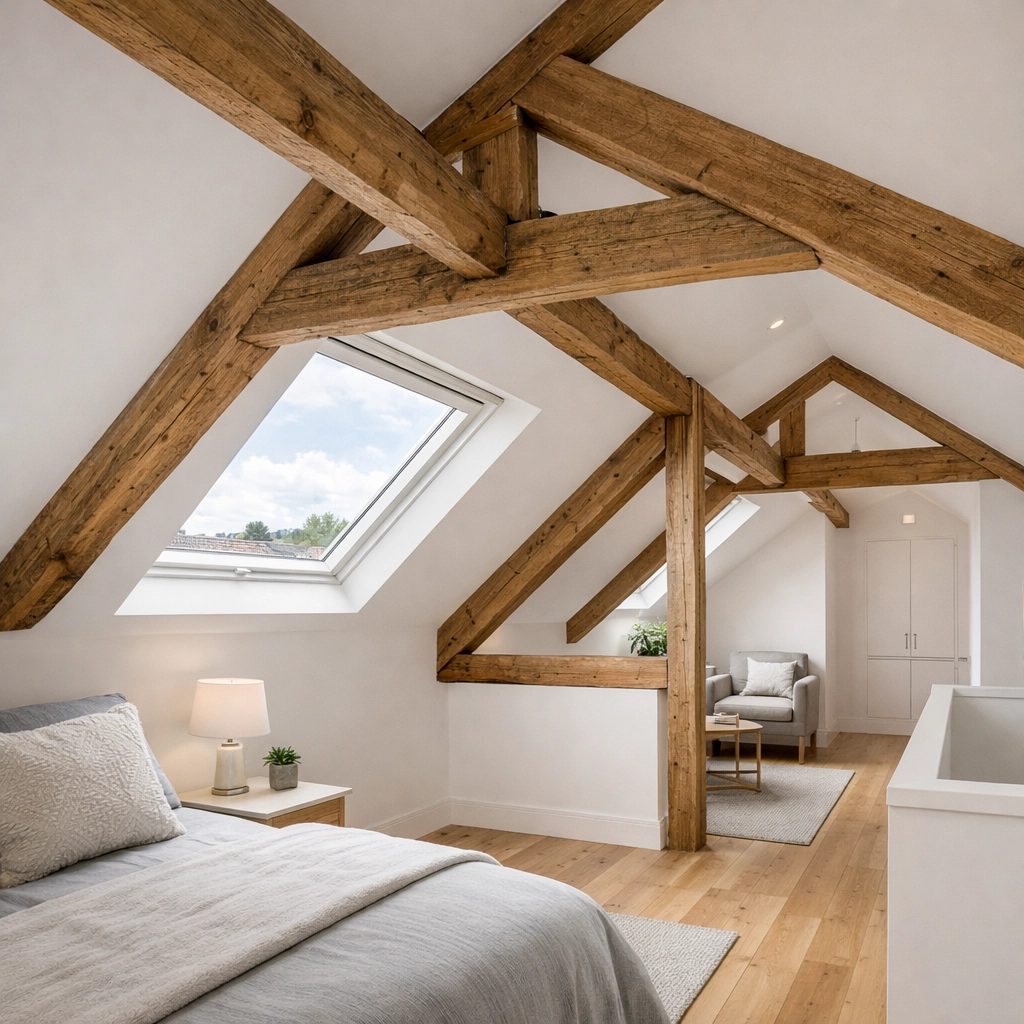
Whether you're searching for architects Croydon can rely on or trying to understand the true structural engineer loft conversion cost for your project, the coordination model you choose fundamentally shapes your experience. The traditional fragmented approach may seem normal because it's common, but common doesn't mean optimal.
The coordination gap isn't an inherent feature of construction projects. It's a solvable problem that requires rethinking how architectural and structural design teams work together. After two decades of integrated practice, we've seen how eliminating this gap transforms outcomes: fewer surprises, tighter budgets, faster delivery, and significantly less stress for everyone involved.
Great design requires creativity, technical knowledge, and seamless coordination between disciplines. When your architect and structural engineer operate as one team from day one, the coordination gap simply disappears. What remains is the exciting process of creating the home you envisioned( built on a solid foundation of integrated expertise.)

