.png)

_edited.png)
Residential Architectural Design: Planning Your Dream Home
- Nov 24, 2025
- 3 min read

Designing your dream home is an exciting journey that combines creativity, functionality, and personal style. Whether you are building from scratch or renovating an existing property, careful planning is essential to ensure your home meets your needs and reflects your vision. This guide will walk you through the key steps of home design planning, offering practical advice and insights to help you create a space that feels truly yours.
Understanding the Basics of Home Design Planning
Before diving into the details, it’s important to grasp the fundamentals of home design planning. This process involves considering your lifestyle, budget, and the physical characteristics of your site. Start by asking yourself:
How many bedrooms and bathrooms do I need?
What kind of living spaces do I want (open-plan, separate rooms)?
Do I need special features like a home office or gym?
What is my budget for construction and finishes?
Once you have a clear idea of your requirements, you can begin sketching out rough layouts or consulting with a professional architect. Remember, good planning saves time and money by preventing costly changes later.

Key Considerations in Home Design Planning
When planning your home design, several factors influence the final outcome. Here are some essential considerations:
Site and Orientation
The location and orientation of your home affect natural light, ventilation, and energy efficiency. For example, positioning living areas to face south (in the northern hemisphere) maximises sunlight during the day, reducing heating costs. Also, consider views, privacy, and access to outdoor spaces.
Space Utilisation
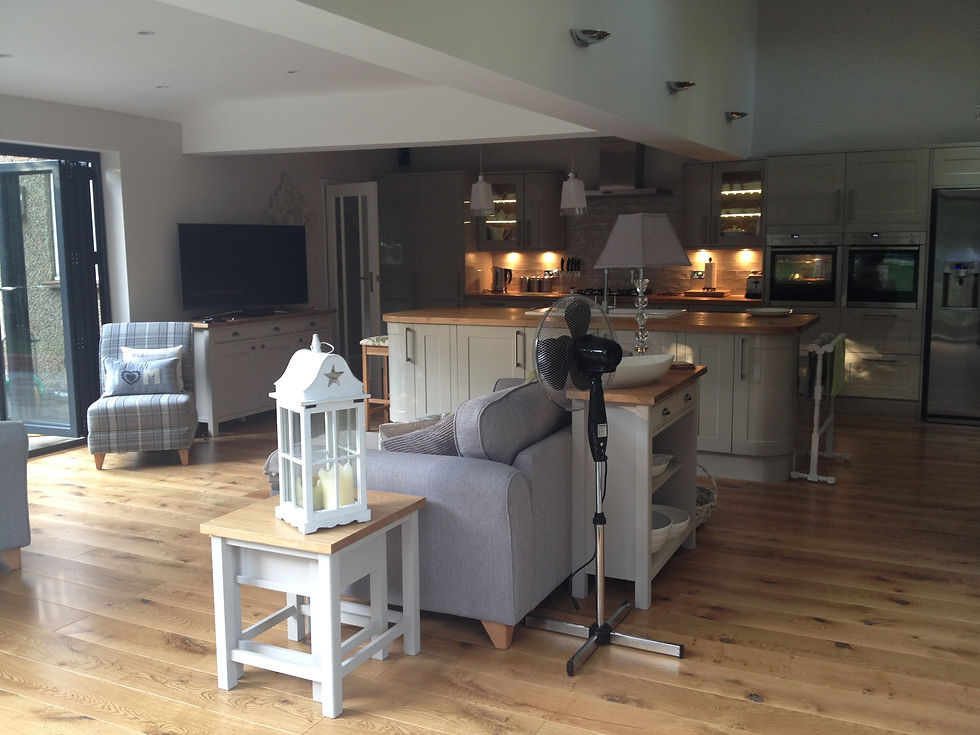
Efficient use of space is crucial. Think about how rooms connect and flow. Open-plan designs create a sense of spaciousness, while defined rooms offer privacy. Storage solutions should be integrated to keep your home organised.
Style and Aesthetics
Your home’s style should reflect your personality and complement the surrounding environment. Whether you prefer modern minimalism, traditional charm, or something eclectic, consistency in materials, colours, and finishes creates harmony.
Sustainability
Incorporating sustainable features like solar panels, rainwater harvesting, and energy-efficient appliances can reduce your environmental impact and lower utility bills.

Collaborating with Professionals for Successful Home Design Planning
Working with architects, designers, and builders can transform your ideas into reality. A professional architect, for instance, brings expertise in spatial planning, building regulations, and innovative solutions. They can help you navigate complex decisions and ensure your home is safe, functional, and beautiful.
If you’re looking for expert guidance, consider exploring residential architectural design services. These professionals specialise in creating homes tailored to your lifestyle and preferences.
Tips for Effective Collaboration
Communicate your vision clearly with sketches, photos, or mood boards.
Be open to suggestions and flexible with design adjustments.
Set a realistic budget and timeline.
Regularly review progress and provide feedback.
Practical Steps to Bring Your Dream Home to Life
Once you have a plan and a team, it’s time to move forward with the build. Here are actionable steps to keep your project on track:
Site Survey and Soil Testing
Ensure the land is suitable for construction and identify any challenges.
Detailed Design and Planning Permission
Finalise architectural drawings and submit applications to local authorities.
Budgeting and Financing
Confirm your budget, including contingencies for unexpected costs.
Selecting Materials and Finishes
Choose durable, attractive materials that fit your style and budget.
Construction Phase
Monitor progress, maintain communication with contractors, and address issues promptly.
Interior Design and Furnishing
Plan interiors that complement the architecture and enhance comfort.
Final Inspection and Handover
Ensure everything meets standards before moving in.
Enhancing Your Home with Smart Design Features
Modern homes benefit from smart design elements that improve convenience, safety, and energy efficiency. Consider integrating:
Smart Lighting and Thermostats: Automate lighting and temperature control for comfort and savings.
Multi-functional Spaces: Rooms that adapt to different uses, such as a guest room doubling as a study.
Outdoor Living Areas: Decks, patios, or gardens that extend your living space.
Universal Design: Features that accommodate all ages and abilities, future-proofing your home.
By incorporating these features, your home will not only look great but also function seamlessly for years to come.
Final Thoughts on Planning Your Dream Home
Planning your dream home is a rewarding process that requires thoughtful decision-making and collaboration. By focusing on your needs, working with professionals, and paying attention to detail, you can create a space that truly feels like home. Remember, every great home starts with a solid plan - take your time, explore your options, and enjoy the journey of bringing your vision to life.


