.png)

_edited.png)
Loft Conversion Cost London 2026: 7 Mistakes You're Making (and How to Fix Them)
- Feb 9
- 5 min read
Loft conversion cost London homeowners face in 2026 ranges from £35,000 to £65,000 depending on complexity. Yet most people overspend by 20-30% because they make avoidable mistakes during planning.
The difference between a smooth project and a budget nightmare often comes down to seven critical errors. These mistakes compound costs, create delays, and compromise the quality of your finished space.
Let's explore the specific pitfalls that drain London homeowners' budgets and how to fix them before they damage your project.
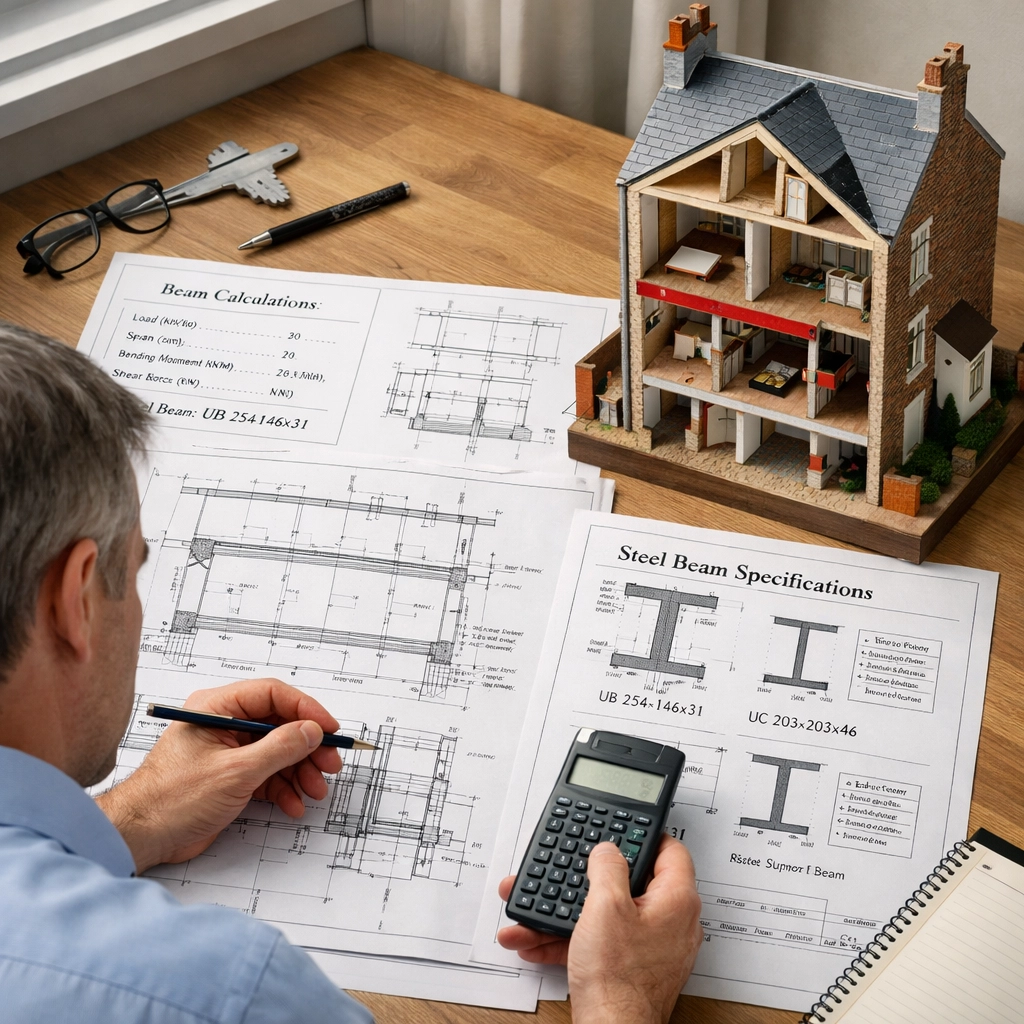
Mistake 1: Hiring a Structural Engineer Too Late (or Not at All)
Most homeowners contact a structural engineer after they've already sketched designs and received quotes from builders. This backwards approach creates expensive problems.
A structural engineer assesses whether your existing structure can support a loft conversion. They identify load-bearing walls, calculate beam requirements, and determine foundation adequacy. Without this early assessment, you're building plans on assumptions rather than facts.
The structural engineer loft conversion cost typically ranges from £800 to £2,500 in London for calculations and drawings. Skipping this step to save money often results in mid-project discoveries that cost £5,000 to £15,000 to remedy.
The fix: Engage a structural engineer during your initial planning phase, before finalising any designs. Their input shapes realistic budgets and prevents costly redesigns.
Mistake 2: Assuming Your Loft Is Suitable Without Verification
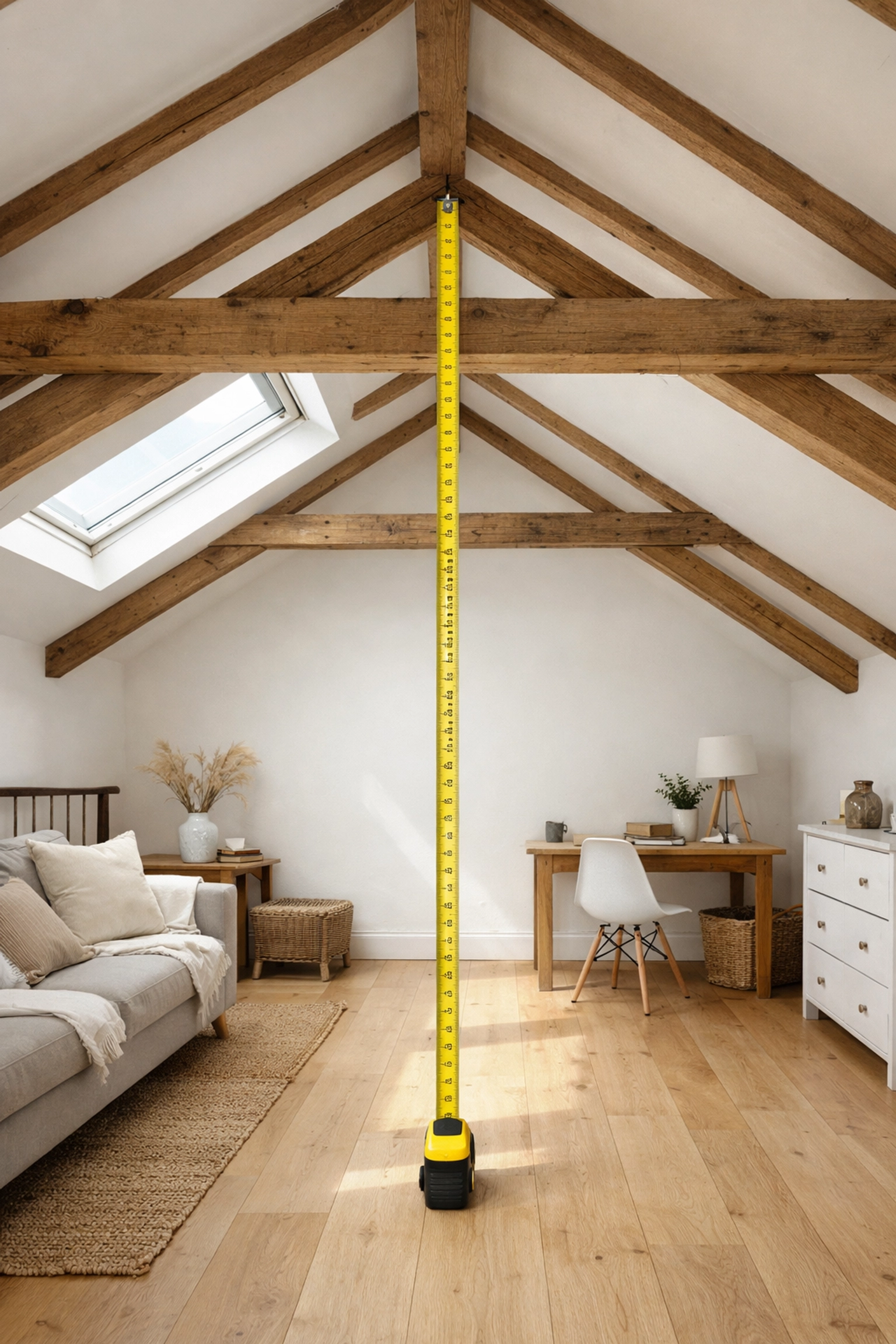
Not every London property can accommodate a loft conversion. The minimum head height requirement is 2.3 metres from floor to the highest point of the ceiling.
Many Victorian and Edwardian properties in areas like Wandsworth, Islington, and Richmond meet this threshold naturally. However, 1930s semi-detached homes and post-war properties often fall short without structural modifications.
Measuring incorrectly or measuring at the wrong point wastes weeks of planning time. Homeowners who discover insufficient height after obtaining quotes face a difficult choice: abandon the project or spend £8,000 to £15,000 raising the roof structure.
The fix: Measure head height at the ridge (the highest central point of your roof) before consulting any contractors. If you're below 2.3 metres, discuss options with a structural engineer before proceeding with any quotes.
Mistake 3: Misunderstanding Planning Permission Requirements
London planning regulations create confusion for homeowners attempting loft conversions. Many assume all loft conversions fall under permitted development rights, but this isn't universally true.
Planning permission becomes mandatory if your property sits in a conservation area, if you're adding dormer windows facing the road, or if previous extensions have exhausted your permitted development allowance. Properties in boroughs like Camden, Westminster, and Kensington & Chelsea face particularly strict requirements.
Proceeding without proper approval results in enforcement action, potential demolition orders, and resale complications. Dormer loft conversion costs increase significantly when you need to submit retrospective applications or modify non-compliant work.
The fix: Contact your local borough council's planning department before starting any work. Confirm whether you need planning permission and building regulation approval. Factor 8-12 weeks into your timeline if applications are necessary.
Mistake 4: Poor Staircase Planning That Wastes Space and Money
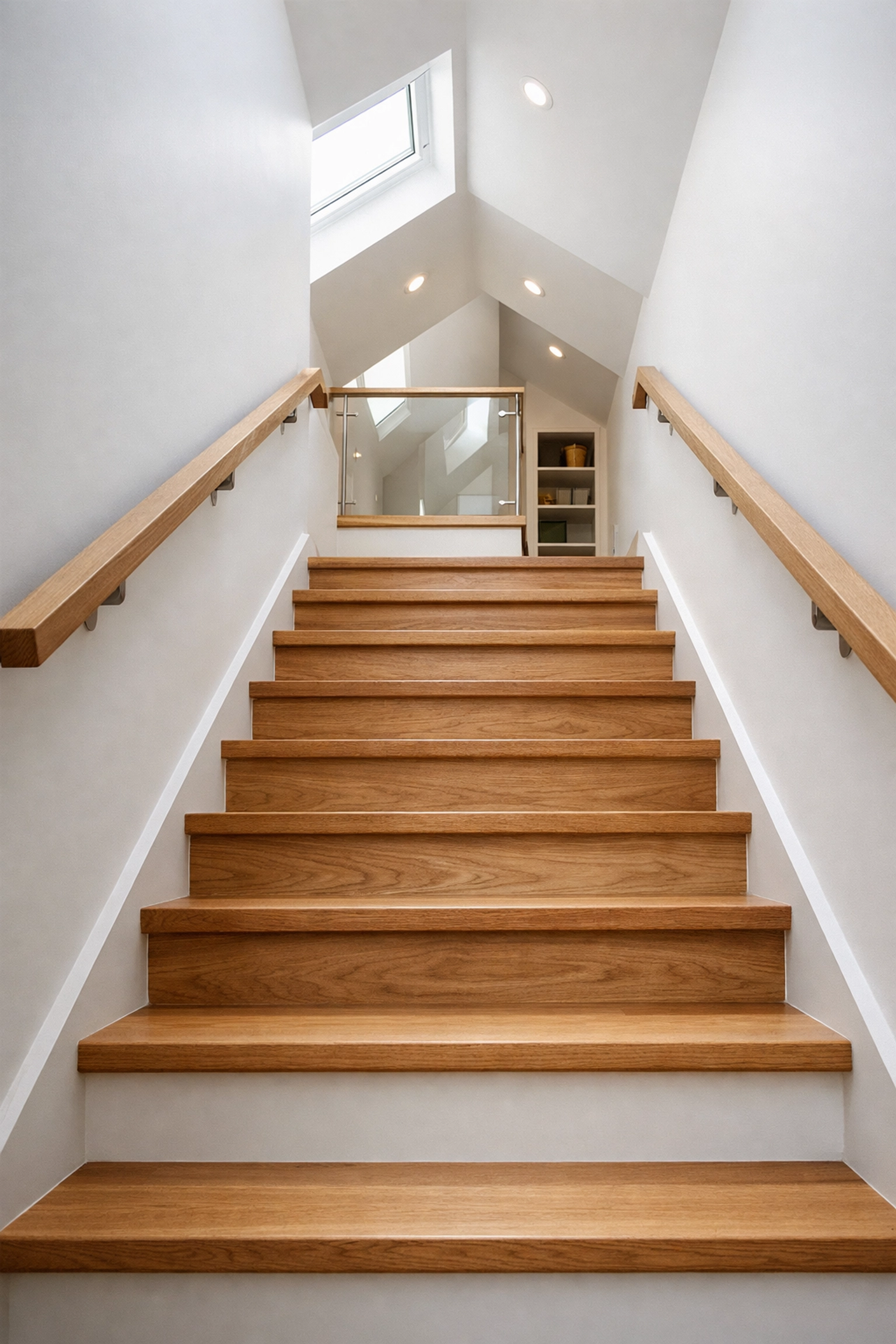
Staircase positioning determines how functional your loft conversion becomes. Many homeowners place stairs in the most convenient location for the floor below without considering headroom requirements above.
Building regulations require 1.9 metres of headroom at the centre of the staircase. Positioning stairs away from the roof ridge forces you to excavate deeper into the floor below or accept a cramped, potentially non-compliant configuration.
Rectifying poor staircase placement after construction begins costs £3,000 to £6,000 in structural modifications and carpentry work. This mistake also reduces usable floor space in both the loft and the floor below.
The fix: Work with your architect to position the staircase aligned with the roof ridge. This maximises headroom naturally and creates a more spacious feel. Consider spiral staircases if space is extremely limited, though these add £1,500 to £3,000 to loft conversions prices.
Mistake 5: Underbudgeting for Insulation and Ventilation
London summers grow warmer each year. Loft spaces experience extreme temperature fluctuations without proper insulation and ventilation systems.
Many homeowners allocate minimal budget to insulation, viewing it as a low-priority expense. This creates unbearably hot spaces in summer and cold rooms in winter, rendering the conversion unusable for significant portions of the year.
Quality insulation and ventilation systems represent 12-15% of total loft conversion cost London projects require. Skimping here saves £2,000 initially but costs £4,000 to £6,000 to upgrade later, plus the inconvenience of accessing completed spaces.
The fix: Specify high-performance insulation (minimum 270mm thickness) and cross-flow ventilation during initial planning. Include temperature control in your non-negotiable requirements. The upfront investment pays back through comfort and reduced energy bills.
Mistake 6: Accepting Quotes Without Understanding What's Included
Loft conversion quotes vary dramatically across London contractors. A £40,000 quote and a £52,000 quote might describe completely different scopes of work.
Lower quotes often exclude critical elements like structural calculations, building control fees, plastering, electrical work, heating, or finishing touches. Homeowners discover these omissions mid-project when contractors request additional payments for "extras."
This mistake transforms your budgeted £45,000 project into a £60,000 reality. The stress of finding additional funds mid-construction compromises decision-making and forces cost-cutting in crucial areas.
The fix: Request itemised quotes that specify exactly what's included. Compare like-for-like by creating a standard specification document. Ask contractors directly about structural engineer fees, building control costs, plumbing, electrics, plastering, flooring, and decoration. Factor a 10-15% contingency for genuine unforeseen issues.
Mistake 7: Ignoring Existing Infrastructure When Planning Bathrooms and Electrics
Bathroom and electrical placement significantly impacts your overall budget. Positioning a bathroom at the front of your loft when existing plumbing sits at the rear requires completely new soil pipes, waste systems, and connections.
This infrastructure work adds £4,000 to £8,000 to your project: money that could enhance finishes or increase floor space instead. Similarly, poorly planned electrical layouts require expensive modifications when you realise switches sit behind doors or sockets land in impractical locations.
Homeowners who fail to consider furniture placement, door swings, and daily usage patterns during electrical planning end up with compromised functionality or spend £1,500 to £3,000 on corrections.
The fix: Position bathrooms near existing plumbing stacks. Plan electrical layouts by sketching furniture placement first, then identifying where you'll actually need power and lighting. Include dedicated circuits for high-draw appliances if you're creating an office or entertainment space.

Getting Your Loft Conversion Cost London Project Right
The pattern across these seven mistakes reveals a common thread: planning shortcuts create expensive problems. London's property market makes loft conversions attractive investments, but only when executed properly.
Successful projects start with thorough assessments, realistic budgets, and experienced professionals involved from day one. A structural engineer's early input, proper permissions, and thoughtful design prevent the budget overruns that plague rushed conversions.
Understanding dormer loft conversion costs, insulation requirements, and infrastructure placement before signing contracts puts you in control. The homeowners who succeed treat planning as an investment rather than an obstacle.
Your loft conversion represents significant expenditure and potential value addition. Taking time to avoid these seven mistakes protects both your investment and your peace of mind throughout the project.

