.png)

_edited.png)
How to Integrate Structural Engineering with Architectural Design for a Smarter London Renovation
- 9 hours ago
- 5 min read
London renovations demand a sophisticated balance between aesthetic vision and structural reality. Many homeowners believe that design happens first and engineering follows as a secondary, reactive phase. This traditional separation often leads to inflated costs, delayed timelines, and compromised design integrity.
Successful projects rely on the early integration of structural engineering with architectural design. When these two disciplines collaborate from the conceptual stage, the result is a more efficient, cost-effective, and beautiful home. This article explores how a unified approach transforms the renovation experience across London and the Home Counties.
The Pitfalls of the Traditional Design Silo
Separating the architect from the engineer creates a dangerous disconnect during the planning stages. An architect might design a stunning open-plan living space without fully accounting for the massive steel reinforcements required. When the structural engineer finally reviews the plans, they may introduce columns or dropped beams that ruin the original vision.
This reactive approach often forces homeowners back to the drawing board after planning permission has already been granted. It leads to wasted design fees and significant frustration for everyone involved. By bridging this gap early, we ensure that every design element is technically feasible from the very first sketch.
Whether you are looking for architects in Croydon or planning a complex extension in Bexleyheath, coordination is the key to a stress-free build. At Shorplans Developments, we have spent over 20 years perfecting this in-house synergy to protect our clients' budgets and timelines.
Conceptual Design: Feasibility is Not an Afterthought
The conceptual phase is where the most critical decisions are made regarding the project's scale and budget. A structural engineer’s assessment during this stage determines whether an architect’s vision is safe and economically viable. They identify potential challenges in the existing building fabric before they become expensive problems.
In areas like Croydon and Surrey, many properties feature unique Victorian or Edwardian structural quirks. An engineer can spot potential subsidence or wall-tie issues that might impact the feasibility of a side extension. Addressing these structural realities early allows the architect to pivot the design to accommodate the site's specific limitations.

Optimising the Structural Engineer Loft Conversion Cost
Loft conversions are one of the most popular ways to add value to a London property. However, the structural engineer loft conversion cost can vary significantly depending on the complexity of the design. A integrated approach ensures that the structural solution is lean and efficient rather than over-engineered.
For instance, a standalone engineer might specify heavy, expensive steels to ensure safety without considering the difficulty of getting them onto a site in a narrow London street. An integrated team considers the logistics of the build alongside the calculations. This coordination helps keep the overall loft conversion cost in London within a manageable range.
When you understand the load path: how weight travels from the roof down to the foundations: you can design smarter. We look at ways to utilise existing load-bearing walls rather than installing unnecessary RSJs. This technical foresight is what separates a standard renovation from a truly smart one.
The Technical Edge: RSJ Calculations and Load Paths
Every structural modification in a London renovation requires precise RSJ (Rolled Steel Joist) calculations. These calculations ensure that the building can support new loads, such as a new floor in a loft or the removal of a ground-floor chimney breast. Without integrated engineering, these beams can often be bulkier than necessary.
An integrated design process allows the structural engineer to work directly with the architect on the floor plan. They can align beams with partition walls or hide them within floor voids to maintain high ceiling heights. This level of detail is crucial for projects like single-storey side extensions where every millimetre of headspace counts.
When it comes to architects in Bexleyheath, choosing a firm that understands the technicalities of structural load paths is essential. It prevents the "surprise" structural elements that often appear during the construction phase when a builder realizes the architectural plans aren't structurally sound.
Building Control Compliance and Planning Success
Navigating the regulatory landscape in London is an intricate process that requires both architectural and engineering expertise. Planning departments care about the external appearance, while Building Control focuses on the safety and performance of the structure. Integrating these two perspectives ensures that your project passes through both stages without a hitch.
Structural engineering documentation is a mandatory requirement for Building Control approval in the UK. By providing detailed structural packages alongside architectural drawings, we offer a "gold standard" submission. This comprehensive approach reduces the risk of inspectors requesting last-minute changes that could stall your project.
Whether you are working with Brent architects or planning a development in Surrey, compliance should be built into the design. We focus on ensuring that fire safety, insulation, and structural stability are all addressed in one unified set of documents.
Designing for Complex HMO and Multi-Unit Projects
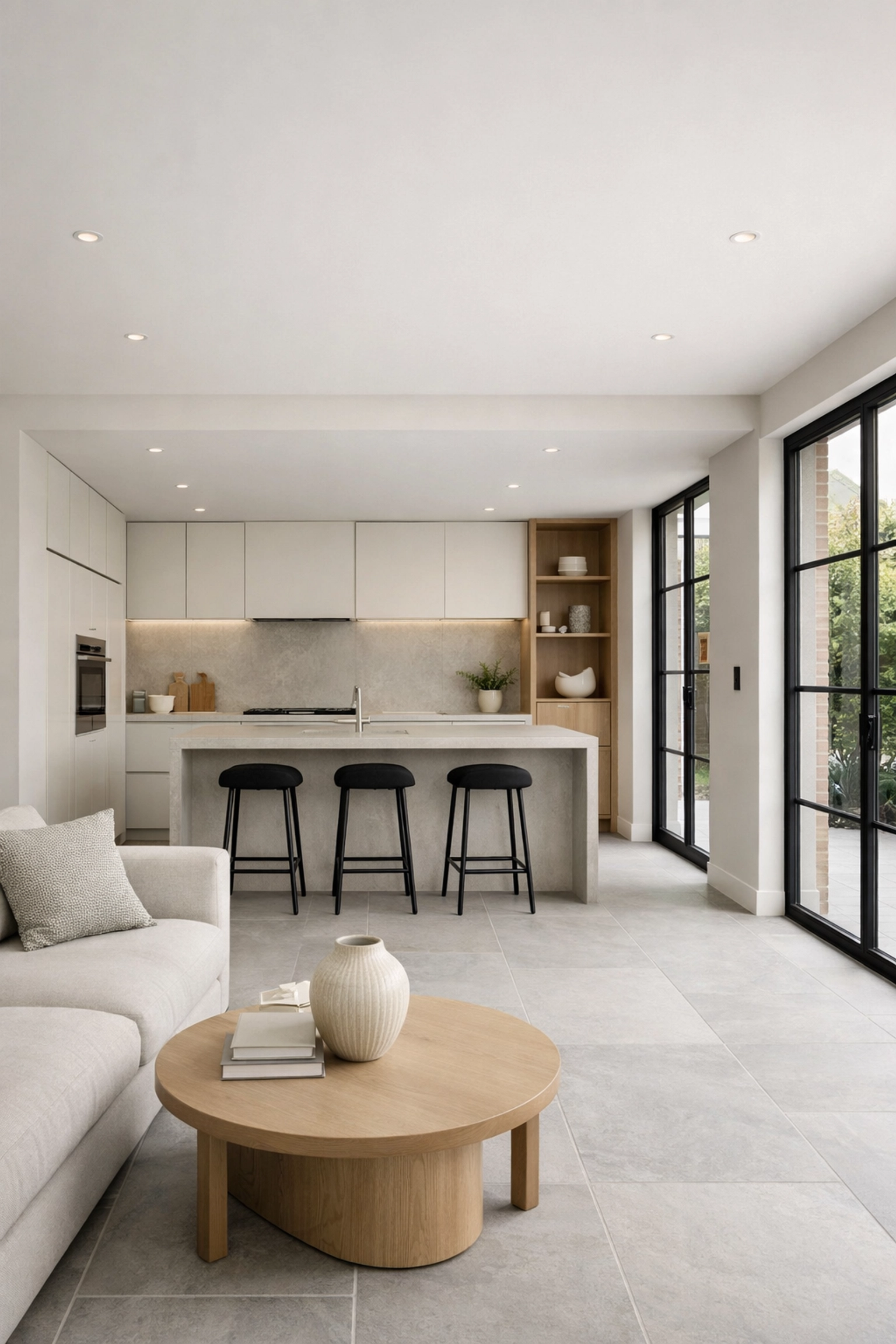
For developers, the integration of architecture and engineering is even more critical. Designing a High-Quality House in Multiple Occupation (HMO) requires an HMO architect who understands the structural demands of increased occupancy. These projects often involve significant internal reconfiguration, which places new stresses on old buildings.
Smart engineering allows for more creative layouts that maximise the number of rentable units while maintaining structural integrity. It involves clever floor-plan coordination to ensure that new plumbing and electrical services don't interfere with the primary structural frame. This efficiency is what makes a development profitable and safe.
In high-density areas of London, such as Finsbury Park or Purley, these projects require careful management of party wall services. Having an in-house team that understands both the architectural impact and the structural risk to neighbouring properties is invaluable. It streamlines the notification process and keeps neighbours on side.
Leveraging BIM and Modern Visualisation
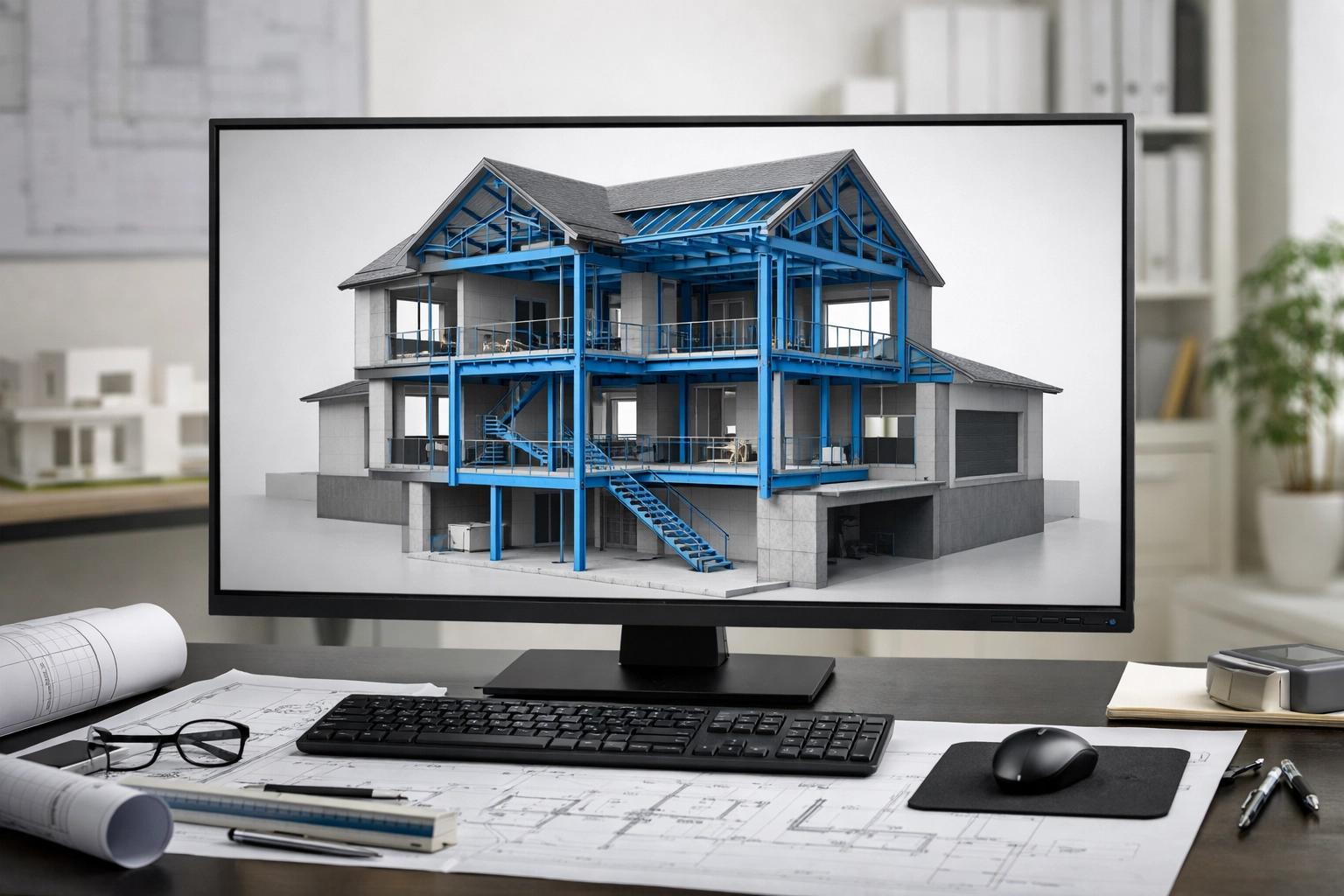
The use of Building Information Modeling (BIM) has revolutionised how we coordinate architectural and structural designs. BIM allows us to create a 3D digital representation of the entire project, from the aesthetic finishes to the internal steel skeleton. This "digital twin" allows us to identify clashes before a single brick is laid.
Visualisation tools help homeowners understand how structural elements will impact their living space. Seeing a 3D model of a modern house design helps clients make informed decisions about beam placement and open-plan layouts. It removes the guesswork and builds confidence in the final outcome.
Why 20 Years of Expertise Matters
Renovating a home in London or Surrey is a significant investment that deserves an expert touch. With over two decades of experience, Shorplans Developments has seen every possible structural challenge, from unstable foundations in Croydon to complex basement schemes in central London.
Our 20+ years of expertise allow us to offer a seamless service that bridges the gap between the drawing board and the building site. We believe that architecture and engineering are two sides of the same coin. When they work in harmony, the renovation process becomes a predictable, rewarding journey rather than a series of stressful surprises.
From new build 4-bedroom dwellings in Purley to elegant residential renovations in Finsbury Park, our portfolio demonstrates the power of integrated design. We focus on creating spaces that are not only beautiful to look at but are also built on a foundation of solid engineering and technical excellence.
Moving Forward with Your London Renovation
As you begin your renovation journey, consider the long-term benefits of an integrated design and engineering approach. It is the smartest way to protect your investment, ensure the safety of your home, and achieve the high-end finish you desire. A well-coordinated team is the most effective tool for navigating the complexities of the London property market.
Whether you are just starting to research the loft conversion cost in London or you are ready to request a quote for a major extension, start with a firm that values technical precision as much as creative design. The future of your home depends on the strength of its foundations and the clarity of its vision.
Smart renovations are not just about adding space; they are about adding value through intelligent, integrated design. By choosing a team that understands the intersection of architecture and structural engineering, you are setting your project up for success from day one.

